Accessible sustainability is the idea that eco-friendly living should be practical and affordable for everyone, not just people with extra money, time or a big house. It is also the reason the Accessible Sustainability Alliance exists. When green choices are easy and low-cost, more families can take part, and those small actions add up.
Quick answer: Accessible sustainability means removing the cost, location and design barriers that keep people from living greener. The most effective eco-friendly habits, like using less, reusing, sharing and wasting less food, are often the ones that save money too.
Why accessibility matters
Many people think of sustainability as expensive: organic food, electric cars, solar panels and new appliances. Those can be good long-term investments, but the upfront price puts them out of reach for many families.
Energy costs show the gap clearly. The American Council for an Energy-Efficient Economy (ACEEE) found in a 2016 report that low-income households spend about 7.2% of their income on utilities, compared with 2.3% for higher-income households. That is more than three times as much. The families who would benefit most from lower energy bills often have the least money to pay for upgrades.
Cost isn’t the only barrier. Location matters too. Cities may have public transit, curbside recycling and compost pickup, while many rural areas don’t. Design matters as well. Products, packaging and transit systems don’t always work well for people with disabilities or limited mobility.
Breaking down the barriers
Making sustainability work for everyone takes action from many groups:
- Affordable options. Rebates and programs for efficient appliances, home weatherization and public transit can lower the upfront cost. Check with your local utility and city for programs you may qualify for.
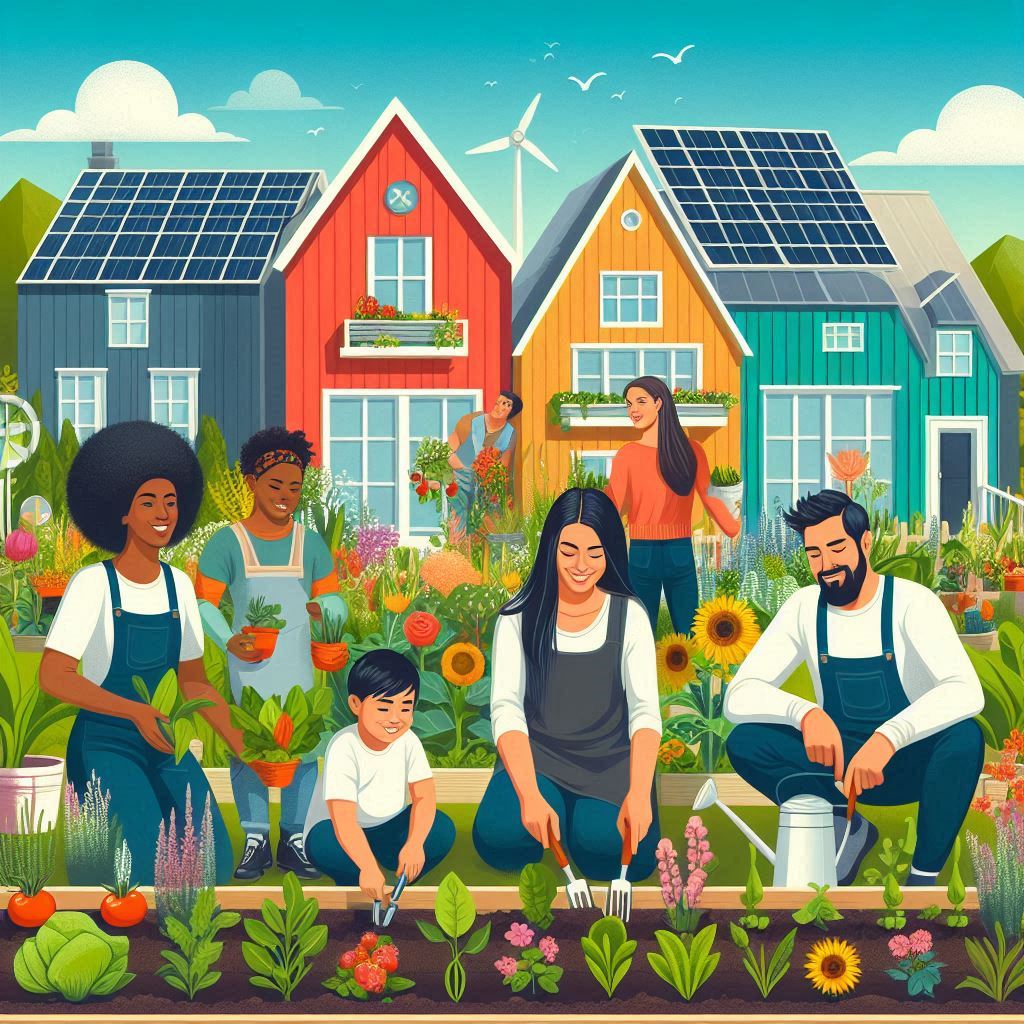
- Community solutions. Community gardens, tool libraries, repair cafes and free-swap groups let people share instead of buying new.
- Free education. Clear, free information about low-cost habits, like composting, repairing and cutting single-use plastics, helps people act with confidence.
- Inclusive design. Eco-friendly packaging should be easy to open, and transit and bike networks should work for people of all abilities.
- Business responsibility. Companies can cut extra packaging and offer greener products at fair prices.
Simple steps every household can take
The most powerful green habits are often free or save money:
- Carry a reusable water bottle and shopping bags.
- Plan meals and freeze leftovers to waste less food.
- Borrow or share items you rarely use instead of buying them.
- Turn off lights and electronics when you leave a room.
- Use your local recycling and green bin programs. In California, SB 1383 requires every city to offer organic waste collection to all residents and businesses.
A vision for the future
Accessible sustainability is not just a nice idea. It is necessary if we want real progress. The goal is to build systems where the greener choice is also the easy, default choice, not the exception. When that happens, everyone can take part, and the benefits reach both people and the planet.
Frequently asked questions
What does accessible sustainability mean?
It means making eco-friendly choices practical and affordable for everyone, no matter their income, where they live or their physical abilities. It focuses on removing barriers so more people can take part.
Is living sustainably expensive?
Some green products cost more upfront, but many of the best habits save money. Using less energy, wasting less food, reusing items and sharing tools all cut costs while helping the planet.
How can a family with a tight budget be more sustainable?
Start with free or low-cost steps: turn off unused lights, plan meals, fix things before replacing them and borrow instead of buying. Then look for utility rebates and local programs that help pay for bigger upgrades.
Find your best next step
Not sure where to start? Our free Sustainability Lab brings together simulators for energy, water, waste, food and transportation, so your household can see which simple changes make the biggest difference.
Related guides
- Small Changes, Big Impact: The Power of Everyday Sustainability
- Individuals Matter! Small Collective Actions Drive Meaningful Outcomes
- 12 Ways to Save Money and Energy at Home
Sources
- American Council for an Energy-Efficient Economy, Report: Energy Burden on Low-Income, African American, and Latino Households up to Three Times as High as Other Homes
- CalRecycle, California’s Organic Waste Reduction: SB 1383 Short-Lived Climate Pollutant Reduction Strategy
Written and reviewed by the Accessible Sustainability Alliance editorial team. Last updated October 5, 2026.