Saving energy at home is one of the few climate actions that also puts money back in your pocket. Some steps cost almost nothing, like switching bulbs or setting a thermostat schedule. Others, like solar panels or insulation, take more planning but can pay off for years.
Quick answer: The fastest savings come from LED bulbs, a programmable thermostat and sealing and insulating your home. Bigger steps like efficient appliances, solar power and an electric vehicle can save more over time, but check current incentives first, because the federal home energy and EV tax credits have ended.
Start with quick, low-cost wins
These four steps are cheap and fast, and they work for renters too in many cases.
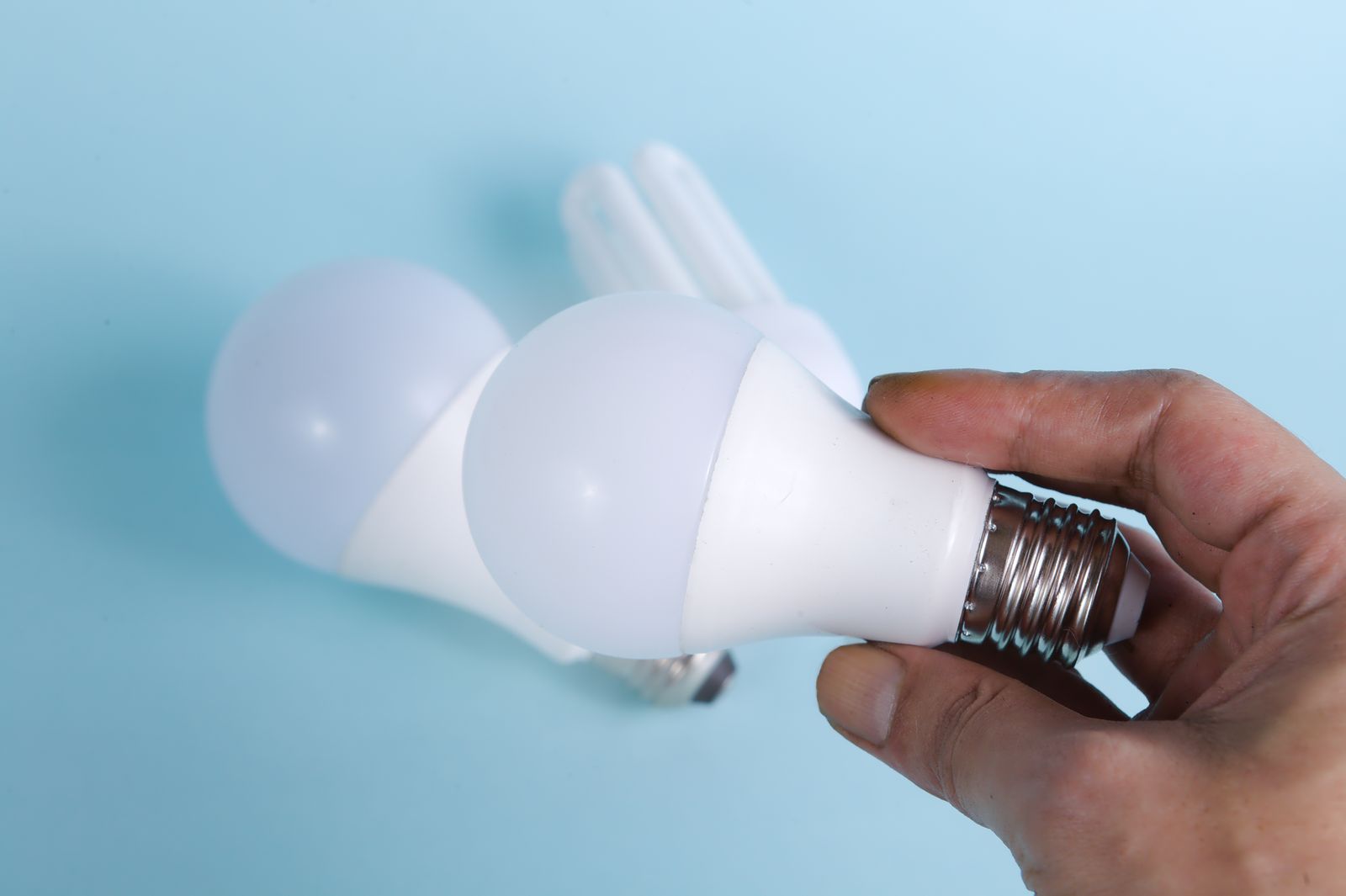
- 1. Switch to LED lights. The U.S. Department of Energy says the average household can save more than 200 dollars a year by using LED lighting (DOE). LEDs also last much longer than old incandescent bulbs.
- 2. Use a programmable or smart thermostat. DOE says you can save as much as 10% a year on heating and cooling by turning your thermostat back 7 to 10 degrees F for 8 hours a day (DOE).
- 3. Use timers and smart plugs. Simple automation can turn off lights, fans and electronics you forget about. A few timers and a schedule do most of the work.
- 4. Track your energy use. Many utilities offer free online tools that show your use by hour or day. In California, time-of-use plans often charge more from 4 to 9 p.m., so shifting laundry and dishwashing outside that window can lower your bill.
Upgrade your home’s shell and appliances
- 5. Seal and insulate. Air leaks around doors, windows and attics let heated or cooled air escape. Weatherstripping and caulk are cheap, and adding attic insulation is often one of the best-value upgrades.
- 6. Replace old appliances with efficient ones when they wear out. Look for the ENERGY STAR label on refrigerators, washers, dryers and heat pumps. Replacing a working appliance early is not always worth it, but choosing efficiency at replacement time is.
- 7. Consider a cool or green roof. Green roofs, covered in plants, can help insulate a building and cool it in summer. They are more common on flat commercial roofs. For most houses, a light-colored “cool roof” at replacement time is a simpler choice.
Make and save your own resources
- 8. Look into solar power. Solar panel prices have dropped a lot over the past decade. Note that the federal residential clean energy tax credit (25D) ended for systems placed in service after December 31, 2025. In California, NEM 3.0 rules mean new systems earn less for power sent to the grid, so many households now pair solar with a battery.
- 9. Collect rainwater. A rain barrel catches runoff from your roof for watering plants. It saves some treated water and can lower your water bill a little, especially in places with rainy seasons.
- 10. Grow some of your own food. A few herbs or vegetables can trim grocery costs and cut packaging. Start small with easy crops.
Rethink how you get around and work
- 11. Drive less, or drive electric. Walking, biking, transit and carpooling save the most. Electric vehicles usually cost less per mile to fuel than gas cars, especially if you charge off-peak. The federal EV tax credits (30D and 25E) ended for vehicles acquired after September 30, 2025, so check state and utility programs instead.
- 12. Work or learn from home when you can, and combine trips. Fewer commutes save fuel and time. Online shopping can cut trips too, but rushed one-item deliveries and returns can erase the benefit, so group your orders.
A note on incentives
Because the federal 25C and 25D credits are gone, look elsewhere for help. Some states still offer rebates for upgrades like heat pumps, insulation and efficient appliances, and many utilities have their own programs. Check your state energy office and your utility’s website before you buy.
Frequently asked questions
What is the cheapest way to save energy at home?
Switching to LED bulbs and setting a thermostat schedule are among the cheapest steps. Sealing drafts with weatherstripping is also inexpensive and helps right away.
Are there still tax credits for energy-efficient home upgrades?
The federal 25C and 25D home energy tax credits ended for property placed in service after December 31, 2025. State, local and utility rebates may still be available, so check before buying.
Is solar still worth it in California?
It can be, but the math changed under NEM 3.0, which pays less for extra power sent to the grid. Many households now size systems to their own use and add a battery to use more of their solar power at home.
Find your biggest savings
Not sure where to start? Visit our free Sustainability Lab to try the Home Energy Simulator, Household Carbon Simulator and other tools and see which changes save your household the most.
Related guides
- Small Changes, Big Impact: The Power of Everyday Sustainability
- Individuals Matter! Small Collective Actions Drive Meaningful Outcomes
- Accessible Sustainability: Making Eco-Friendly Choices Attainable for All
Sources
- U.S. Department of Energy, Renters (LED lighting savings)
- U.S. Department of Energy, Home Upgrades (thermostat savings)
Written and reviewed by the Accessible Sustainability Alliance editorial team. Last updated October 5, 2026.