The National Electrical Code (NEC), published by the National Fire Protection Association as NFPA 70, sets the safety rules electricians follow when they wire homes, including EV chargers. The code is updated every three years. While the 2026 edition was being written, its ground-fault protection rules for EV charging drew pushback from parts of the electric vehicle industry, who worried that safety rules could make home charging less reliable.
Quick answer: NFPA 70 2026 keeps ground-fault (GFCI) protection for EV charging receptacles and adds stricter special-purpose GFCI rules for some higher-voltage equipment, phasing in from 2029. For most families, the practical takeaway is to plan home charging with a licensed electrician who knows which code edition your city enforces.
Why EV charging rules matter for sustainability
Transportation is the largest source of direct greenhouse gas emissions in the United States, according to the U.S. EPA (EPA). Electric vehicles can cut those emissions, especially when charged with clean power. But EVs only work well for families if charging at home or work is safe, simple and dependable. If a charger trips off overnight and the car is not charged by morning, it makes the switch harder to live with.
What the debate was about
A GFCI (ground-fault circuit interrupter) cuts power in a split second if electricity leaks where it should not, such as through a person. It is the same kind of protection used in bathroom and kitchen outlets.
The 2023 NEC already requires GFCI protection for all receptacles installed for EV charging, under section 625.54 (Qmerit). That has caused a real-world headache. Most Level 2 chargers already have their own built-in ground-fault protection, and when a plug-in charger is connected to an outlet on a GFCI breaker, the two can conflict and cause “nuisance tripping,” where charging stops for no clear reason.
During the 2026 code cycle, groups such as the Society of Automotive Engineers, automakers and charger makers raised concerns that new GFCI proposals could make this worse. They also worried that resetting a tripped device could mean a trip to a locked or hard-to-reach electrical panel. Their argument was not against safety. It was for rules that keep people safe without making charging unreliable.
What the 2026 edition did
The NFPA scheduled the 2026 NEC to be issued in August 2025. According to a summary of significant changes in IAEI Magazine, the new edition introduces special-purpose GFCIs (SPGFCIs) for EV charging equipment above 150 volts to ground, with a trip limit of no more than 20 milliamps, starting January 1, 2029. Equipment at 150 volts to ground or less uses standard Class A GFCI protection. DC charging outlets and bidirectional charging systems, such as vehicle-to-grid setups, get exceptions (IAEI Magazine).
The long lead time gives manufacturers time to design chargers and protective devices that work together, which is the kind of balance the industry had asked for.
What it means for your home
A new national code edition does not take effect everywhere at once. Each state or city adopts the NEC on its own schedule, sometimes with changes. California’s 2025 California Electrical Code, based on the 2023 NEC, took effect on January 1, 2026 (IAEI). So in places like Santa Monica, the 2023 rules are what inspectors use today, and the 2026 edition will matter in a future adoption cycle.
If you are planning a home charger:
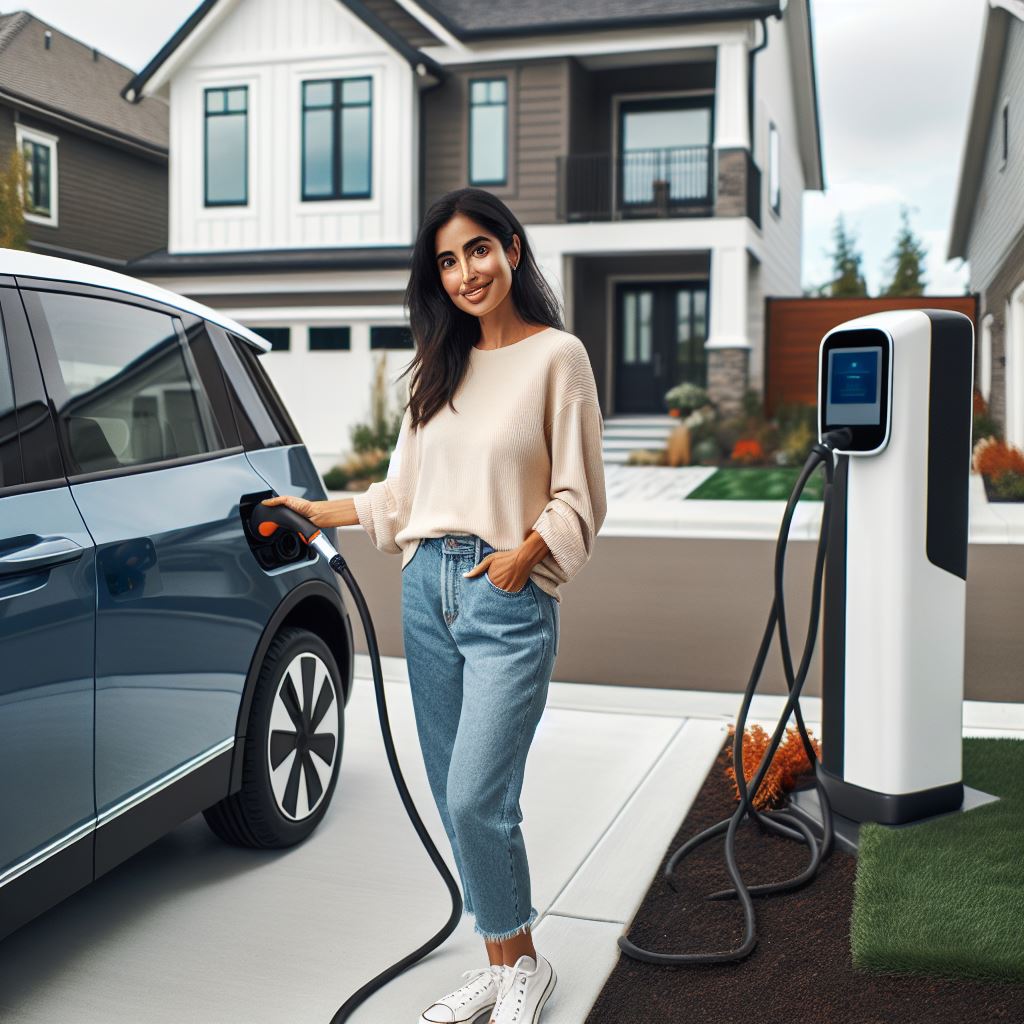
- Consider a hardwired charger. Hardwired, listed chargers include their own ground-fault protection, which can avoid the nuisance tripping that sometimes happens with plug-in chargers on GFCI breakers.
- Hire a licensed electrician and pull a permit. They will follow the code your city enforces and size the circuit correctly.
- Charge off-peak. On many California time-of-use plans, charging overnight instead of 4 to 9 p.m. costs less and eases strain on the grid.
Frequently asked questions
Does an EV charger need GFCI protection?
Under the 2023 NEC, receptacles installed for EV charging need GFCI protection. Hardwired chargers that are listed for the purpose include their own built-in ground-fault protection. Your electrician will follow whatever code edition your area has adopted.
When does the 2026 NEC take effect?
It depends on where you live. Each state or city adopts it on its own timeline. California’s current electrical code, effective January 1, 2026, is based on the 2023 NEC, not the 2026 edition.
Why does my EV charger keep tripping the GFCI breaker?
Often it is because a plug-in charger’s built-in protection conflicts with a GFCI breaker. A licensed electrician can check the setup, and a hardwired charger is a common fix.
See your transportation impact
Wondering how much an EV, transit or biking could cut your household’s emissions? Try our free My Transportation Simulator to compare how you get around.
Related guides
- Vehicle-to-Grid Integration: Enhancing Energy Efficiency with Solar Power
- How to Pack a Bike Repair Kit to Extend Your Commute Options
- How to Pair a Home Battery Bank with Your Solar Panels
Sources
- U.S. EPA, Sources of Greenhouse Gas Emissions
- IAEI Magazine, NEC 2026 Significant Code Changes
- IAEI, California Continuing Education Requirements and NEC Adoption
- Qmerit, NEMA 14-50 vs. Hardwired EV Chargers: GFCI Code Requirements and Nuisance Tripping
Written and reviewed by the Accessible Sustainability Alliance editorial team. Last updated October 5, 2026.