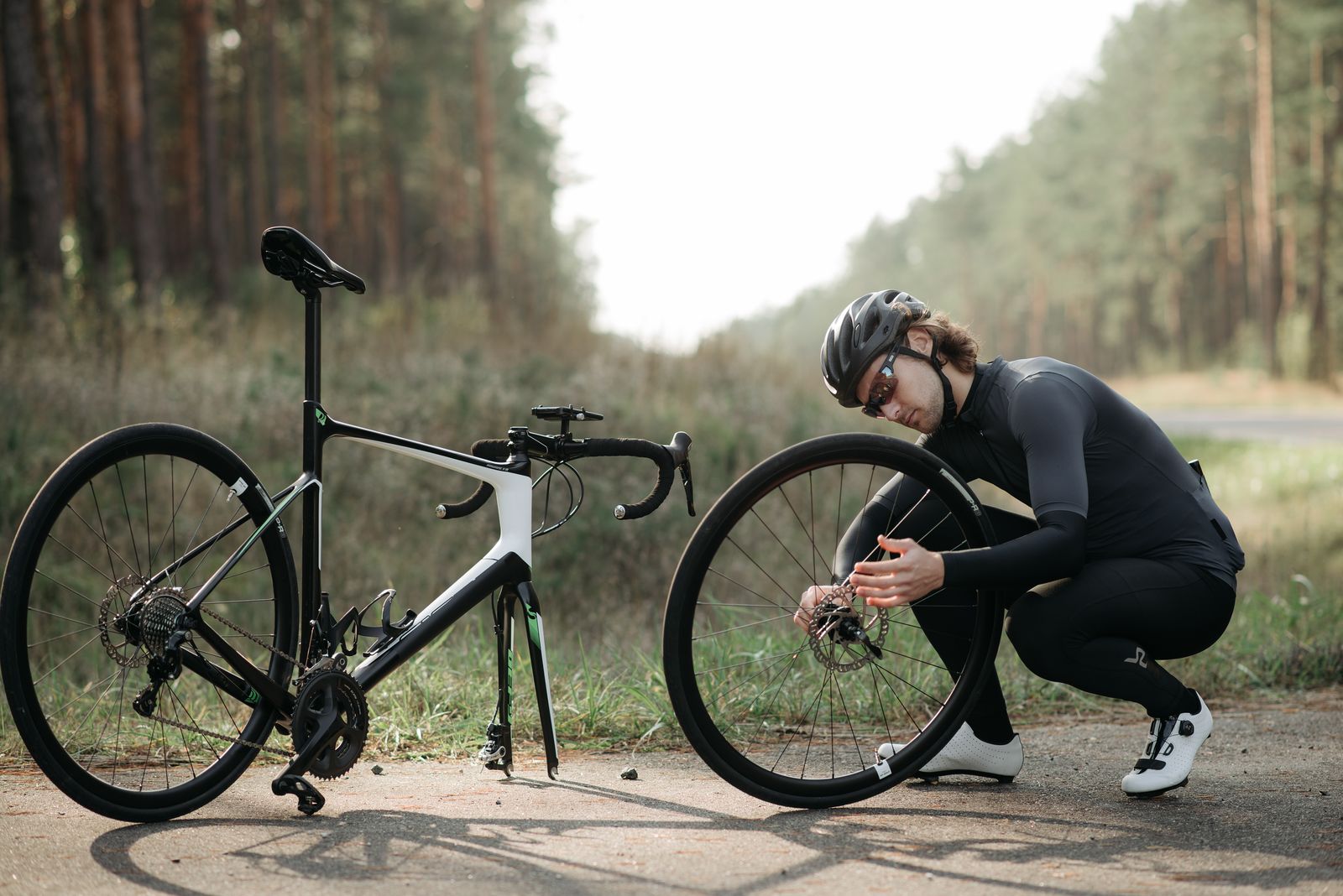
A small bike repair kit lets you fix a flat tire or a loose bolt on the spot, so a breakdown doesn’t leave you stranded. When you trust your bike to get you there and back, you can ride to school, work or errands more often. Everything fits in a bag smaller than a sandwich.
Quick answer: Pack a spare inner tube, two tire levers, a mini pump that fits your valve type, a patch kit and a bike multi-tool in a saddle bag. Add a rag, a phone and a little cash, and practice fixing a flat at home first.
Why a repair kit opens up more trips
Many everyday trips are short enough to bike. A U.S. Department of Transportation Climate Change Center report found that in 2021, 52% of all trips in the U.S. were less than three miles, a distance that fits a roughly twenty-minute bike ride. More than a quarter of trips were under one mile.
Swapping some of those car trips for bike rides cuts pollution. The U.S. EPA estimates that the average passenger vehicle emits about 400 grams of CO2 per mile. A bike emits none while you ride. A repair kit removes one of the biggest worries about biking: getting stuck with a flat.
What you need
- Saddle bag: A small bag that straps under your seat. Water-resistant is best.
- Spare inner tube: The exact size printed on your tire’s sidewall, with the right valve type.
- Tire levers: Two plastic levers to pop the tire off the rim.
- Mini pump or CO2 inflator: Make sure it fits your valve. Most bikes have either Presta (thin, with a small nut at the tip) or Schrader (like a car tire) valves.
- Patch kit: Small and light, and a good backup if you get a second flat.
- Bike multi-tool: One with the hex key sizes and screwdriver bits your bike uses.
- Extras: A small rag or wipes, a phone, a few dollars, and a spare chain quick link if your chain uses one.
How to pack a bike repair kit
- Check your bike first. Read the tire size on the sidewall and look at your valve type. Write them down before you shop.
- Match your tools to your bike. Try your multi-tool on the bolts for your seat, handlebars and wheels to make sure it fits.
- Roll the tube tightly. Fold or roll the spare tube small and keep it in a plastic bag or sock to protect it from rubbing.
- Pack heavy items first. Put the multi-tool and tube at the bottom of the bag, then the levers, patch kit and rag on top.
- Mount the pump. Many mini pumps clip onto the frame next to the water bottle holder. If not, slip it into a backpack.
- Practice at home. Take a wheel off, remove the tire, swap the tube and pump it up. Doing it once in your driveway makes a roadside fix much easier.
- Check your kit monthly. Make sure the patch glue hasn’t dried out, the pump works and the tube still holds air.
Tips
- Check tire pressure weekly. The right pressure, printed on the tire, helps prevent many flats.
- Find the cause of a flat. Run your fingers carefully inside the tire to find a thorn or glass before putting in a new tube.
- Carry lights. A front white light and rear red light help others see you, even during the day.
- Know your backup plan. Many buses have bike racks, so a bus can be your ride home if a repair fails.
Frequently asked questions
What should be in a basic bike repair kit?
A spare tube, tire levers, a pump that fits your valve, a patch kit and a multi-tool cover most roadside problems. Add a phone, a rag and a little cash.
What is the difference between Presta and Schrader valves?
Schrader valves are wider and look like car tire valves. Presta valves are thinner and have a small nut at the tip that you unscrew before pumping. Many pumps fit both, but check before you buy.
Is it better to patch a tube or replace it on the road?
Swapping in a spare tube is usually faster. Save the punctured tube, patch it at home, and keep it as your next spare.
How long does it take to fix a flat bike tire?
With some practice, many riders can swap a tube in about 10 to 20 minutes. Practicing at home makes it much quicker.
See your transportation impact
Curious how much switching a few car trips to bike rides could cut your family’s emissions? Try our free My Transportation Simulator to compare driving, biking, transit and more.
Related guides
- Vehicle-to-Grid Integration: Enhancing Energy Efficiency with Solar Power
- Sustainability at the Forefront: The Implications of NFPA 70 2026 for EV Adoption
- How to Join a Tool Library Instead of Buying Once-a-Year Tools
Sources
- U.S. Department of Transportation, Climate Change Center, Climate Strategies that Work: Active Transportation
- U.S. EPA, Greenhouse Gas Emissions from a Typical Passenger Vehicle
Written and reviewed by the Accessible Sustainability Alliance editorial team. Last updated October 5, 2026.