SB 54 is the California law that makes the companies that sell packaging responsible for what happens to it after you throw it away. It sets big goals for cutting single-use plastic and makes producers pay to improve recycling. Here is what it means for your family’s blue bin, and what you can do right now.
Quick answer: California’s SB 54 requires that by 2032 all single-use packaging be recyclable or compostable, plastic packaging reach a 65% recycling rate, and plastic packaging be cut 25%, with producers, not taxpayers, paying for the system.
What is SB 54?
SB 54 is the Plastic Pollution Prevention and Packaging Producer Responsibility Act. California passed it in 2022. It covers single-use packaging, such as boxes, bottles, bags, wrappers and pouches, plus single-use plastic food service ware like cups, plates, straws and utensils.
The big idea is called extended producer responsibility, or EPR. Today, cities and the people who pay trash bills cover most of the cost of collecting and sorting packaging. Under EPR, the brands and companies that make and sell packaged products help pay for it instead. That gives them a reason to use less packaging and design it so it can actually be recycled.
Why this law matters
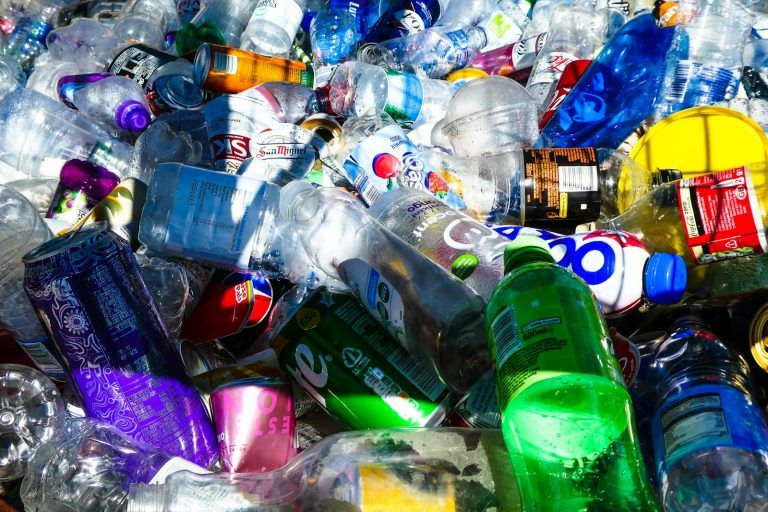
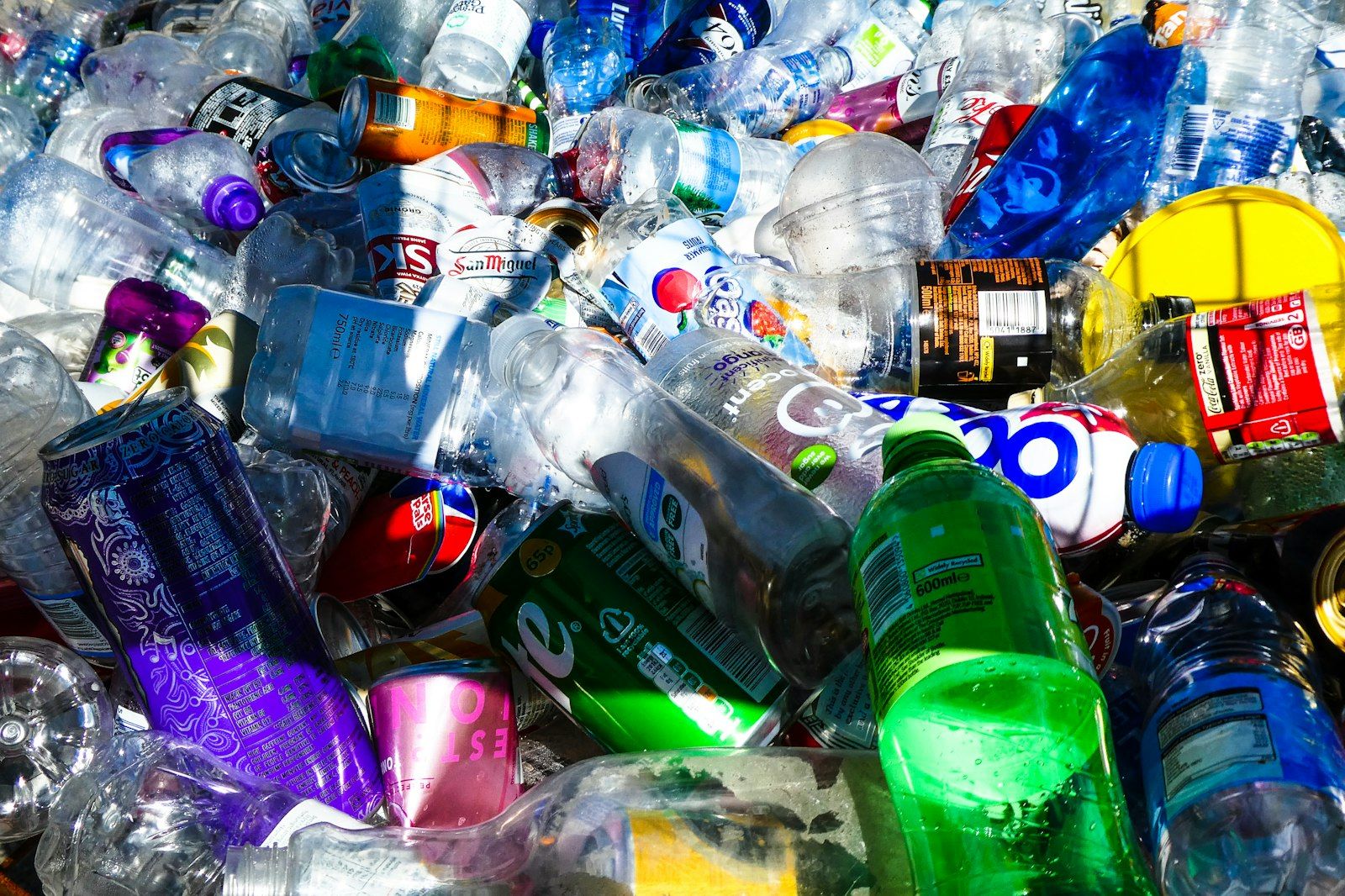
Plastic packaging is a huge part of what we throw away, and very little of it gets recycled. U.S. EPA data show that in 2018 Americans generated 35.7 million tons of plastic, and only about 8.7% was recycled. Containers and packaging made up more than 14.5 million tons of that plastic.
Much of the rest ends up in landfills, gets burned, or escapes into streets, rivers and the ocean. SB 54 targets the source: how products are packaged.
The key targets for 2032
According to CalRecycle, the state agency in charge, and a summary of the final rules by the law firm Venable, the law’s main goals for 2032 are:
- 100% recyclable or compostable. All covered single-use packaging and plastic food service ware sold in California must be recyclable or compostable.
- 65% recycling rate. Plastic covered material must actually be recycled at a 65% rate.
- 25% source reduction. Producers must cut plastic covered material by 25% compared with a 2023 baseline. That can mean less plastic, lighter packaging, or switching to refill and reuse systems.
CalRecycle’s SB 54 overview also lays out step-by-step source reduction goals along the way (10% by 2027 and 20% by 2030) and says producers, through their organization, must pay $500 million a year for 10 years to help reduce plastic pollution and its harm to the environment.
Where SB 54 stands in 2026
The rules took a while to finalize. Here is the timeline so far.
- 2024 to 2025. CalRecycle’s first draft rules were not finalized in time, and the agency started over with a new rulemaking in 2025, according to its rulemaking page.
- January 9, 2026. CalRecycle withdrew its proposed rules from state review to “improve clarity,” then opened a new 15-day comment period from January 29 to February 13, 2026, as Foster Garvey reported.
- May 1, 2026. California’s Office of Administrative Law approved the final regulations, and they took effect the same day.
- June 15, 2026. Circular Action Alliance, the group CalRecycle approved as the first producer responsibility organization, submitted its program plan. A public comment period on that plan ran through August 14, 2026, according to Circular Action Alliance.
- October 13, 2026. Circular Action Alliance submitted a revised program plan. CalRecycle is taking public comments on it through November 13, 2026, and has 75 days to approve, conditionally approve or reject it, according to CalRecycle. As of late October, no decision had been announced.
The producer responsibility organization, or PRO, is a nonprofit group that producers join. It collects fees from companies and uses the money to meet the law’s targets. Its plan explains how it will do that.
What about the “chasing arrows” symbol?
A related law, SB 343, deals with the recycling symbol on packaging. It says a product cannot show the chasing arrows or claim to be “recyclable” unless that material is truly collected and sorted for recycling across most of California. CalRecycle says products made after October 4, 2026 were supposed to follow these labeling rules.
However, on July 14, 2026, a federal court issued a preliminary injunction that blocks enforcement of SB 343 while a lawsuit continues, according to CalRecycle’s SB 343 page. So for now, you may still see the arrows on packaging that your local program does not accept. The symbol alone does not prove an item is recyclable where you live.
What changes in your blue bin (and what doesn’t yet)
In the short term, very little changes at your curb. SB 54 works mostly behind the scenes: on the companies that design packaging and on the funding for recycling programs. You will not get a new bin or new rules overnight.
Over the next several years, you may notice:
- Less plastic packaging and more paper, refill or reusable options in stores.
- Packaging that is easier to recycle, such as clear plastic instead of mixed or colored layers.
- Clearer local recycling instructions as funding for collection and sorting grows.
What stays the same: your local hauler’s rules still decide what goes in your blue bin. Your green bin for food scraps and yard waste, required under California’s organic waste law SB 1383, is a separate system.
What your family can do now
You do not need to wait until 2032. These steps help today.
- Stop wish-cycling. Putting something in the blue bin “just in case” can contaminate a whole load. When in doubt, check your city’s guide or leave it out.
- Check your local list. Search your city or hauler’s name plus “what goes in my blue bin.” Rules differ from town to town.
- Keep recyclables clean, empty and dry. A quick rinse is enough. Food and liquid can ruin paper and cardboard.
- Keep plastic bags and film out unless your city says yes. Many programs do not accept them because they jam sorting equipment. Reusable bags skip the problem.
- Choose less packaging. Buy in bulk, pick refills and concentrates, and carry a water bottle and reusable bags.
- Track your impact. Our free Household Waste Simulator shows how much your household throws away and how much you could cut.
Frequently asked questions
What does SB 54 do in simple terms?
SB 54 makes companies that sell packaged products in California pay for, and take responsibility for, recycling and reducing their packaging. By 2032, covered packaging must be recyclable or compostable, plastic packaging must hit a 65% recycling rate, and plastic packaging must be cut 25%.
When does SB 54 take effect?
The law passed in 2022, and its final regulations took effect on May 1, 2026. The biggest targets are due by 2032, with step-by-step goals before then.
Does SB 54 change what I put in my recycling bin?
Not right away. Your city or hauler still sets the rules for your blue bin. Over time, you should see packaging that is easier to recycle and clearer local guidance.
Is the chasing arrows symbol still allowed in California?
SB 343 limits the chasing arrows to materials that are actually recycled across most of California, starting with products made after October 4, 2026. A federal court paused enforcement in July 2026, so always check your local list rather than trusting the symbol.
See your household’s waste impact
Curious how much packaging your family sends to the landfill? Try the free Household Waste Simulator. Enter what you throw away each week and see how habits like refills, composting and smarter recycling change your total.
Related guides
- How to Set Up a Home Recycling Station That Actually Works
- How to Switch to Reusable Produce Bags at the Grocery Store
- How to Switch to Refillable Glass Spray Bottles for Cleaning
Sources
- CalRecycle, Plastic Pollution Prevention and Packaging Producer Responsibility Act
- CalRecycle, SB 54 Permanent Regulations rulemaking
- CalRecycle, SB 54: Packaging and Plastic Food Ware Extended Producer Responsibility overview
- CalRecycle, Recycling labels (SB 343)
- U.S. EPA, Plastics: Material-Specific Data
- Venable LLP, California Finalizes Long-Awaited EPR Regulations
- Foster Garvey, CalRecycle Withdraws SB 54 Draft Rules
- Circular Action Alliance, Circular Action Alliance California Submits Program Plan Under State Bill 54
Written and reviewed by the Accessible Sustainability Alliance editorial team. Last updated October 5, 2026.