A home recycling station is a simple set of labeled bins that makes sorting easy for everyone in your household. When the right bin is close by and clearly marked, recycling becomes a habit instead of a chore. A good setup also keeps trash out of your recycling, so more of it actually gets recycled.
Quick answer: Put labeled bins for recycling, organics and trash side by side in one easy spot. Follow your city’s recycling list, scrape containers clean, keep plastic bags out, and set aside a box for batteries and electronics that need special drop-off.
Why a recycling station matters
There is a lot of room to improve. The U.S. EPA reports that Americans made 292.4 million tons of trash in 2018, about 4.9 pounds per person per day. Only 32.1% of it was recycled or composted, and about half went to landfills.
Contamination is a big problem too. When the wrong items, like plastic bags or food-covered containers, go into the recycling bin, they can jam machines and spoil good material. In California, SB 1383 also requires cities to collect organic waste like food scraps and yard trimmings, so many homes now sort into three bins: blue for recycling, green for organics and black or gray for trash.
What you need
- Two or three sturdy bins or boxes. Old cardboard boxes or plastic totes work fine.
- A small countertop pail for food scraps, if your city collects organics
- A marker and tape or labels
- A small box or bag for batteries and electronics
- Your city’s recycling guide, printed or saved on your phone
How to set up a home recycling station
- Learn your local rules. Visit your city or hauler’s website, or call them. Rules differ a lot from place to place, so this step matters most. Many cities use one mixed recycling bin for paper, cans, bottles and certain plastics.
- Pick a handy spot. Put the station where trash naturally piles up, often the kitchen. Keep bins together so no one has to walk across the house to recycle. Avoid wet spots, since soggy paper is hard to recycle.
- Set up your bins. Place recycling, organics (if collected) and trash bins side by side. Using colors that match your city’s carts helps everyone remember.
- Label everything. Write clear labels like “Cans, Bottles, Paper” and “Food Scraps.” Add pictures or tape a small list of yes and no items to the wall above.
- Scrape and empty containers. The EPA says spatula-clean is clean enough. Empty out food and liquids, but you don’t need to scrub.
- Create a special drop-off box. Collect batteries, old phones, light bulbs and small electronics in a separate box. These never go in curbside bins. Take them to a store drop-off or household hazardous waste site.
- Flatten and empty often. Break down boxes to save space, and empty the bins into your outdoor carts before they overflow.
Common mistakes to avoid
- Wishcycling. Tossing in something you hope is recyclable can contaminate a whole load. When in doubt, check your city’s list or leave it out.
- Plastic bags in the bin. The EPA says plastic bags and film can’t go in household recycling bins. Many grocery stores collect them instead.
- Bagging your recyclables. Put items in loose unless your city says otherwise.
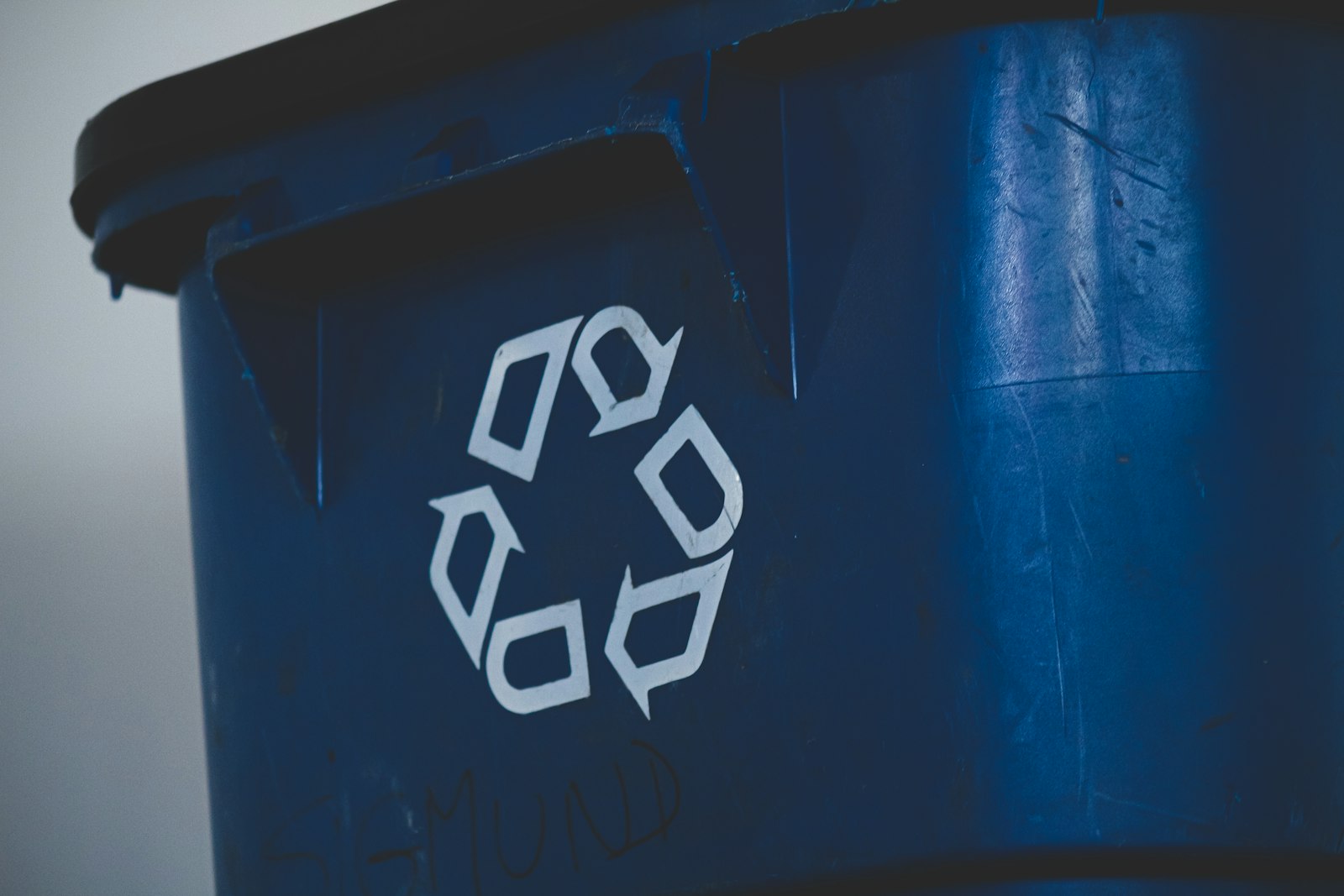
- Trusting the number alone. The number inside the recycling arrows shows the type of plastic, not whether your city takes it. Check the local list.
Frequently asked questions
Can you recycle greasy pizza boxes?
The EPA says pizza boxes can be recycled even with some grease, as long as you remove leftover food. Some cities prefer them in the green organics bin instead, so check your local rules.
Do I need to rinse recyclables?
You don’t need to scrub them. Empty and scrape out food and liquids. The EPA says spatula-clean is clean enough, and a quick rinse helps prevent smells and pests.
What plastics can be recycled curbside?
It depends on your city. Many programs take bottles, jugs and tubs, but what is accepted varies by location. Your city’s recycling guide is the best source.
Where do batteries and electronics go?
Not in your curbside bins. Take them to a retail drop-off, a household hazardous waste center or a local e-waste event.
See your household’s waste impact
Want to know how much your family throws away and how recycling changes it? Try our free Household Waste Simulator to see your weekly waste and which habits make the biggest difference.
Related guides
- How to Find a Battery Recycling Drop-Off Point Near You
- How to Set Up a Cardboard Box Reuse System for Shipping
- How to Switch to Reusable Produce Bags at the Grocery Store
Sources
- U.S. EPA, National Overview: Facts and Figures on Materials, Wastes and Recycling
- U.S. EPA, How Do I Recycle? Common Recyclables
- CalRecycle, California’s Organic Waste Reduction: SB 1383 Short-Lived Climate Pollutant Reduction Strategy
Written and reviewed by the Accessible Sustainability Alliance editorial team. Last updated October 5, 2026.