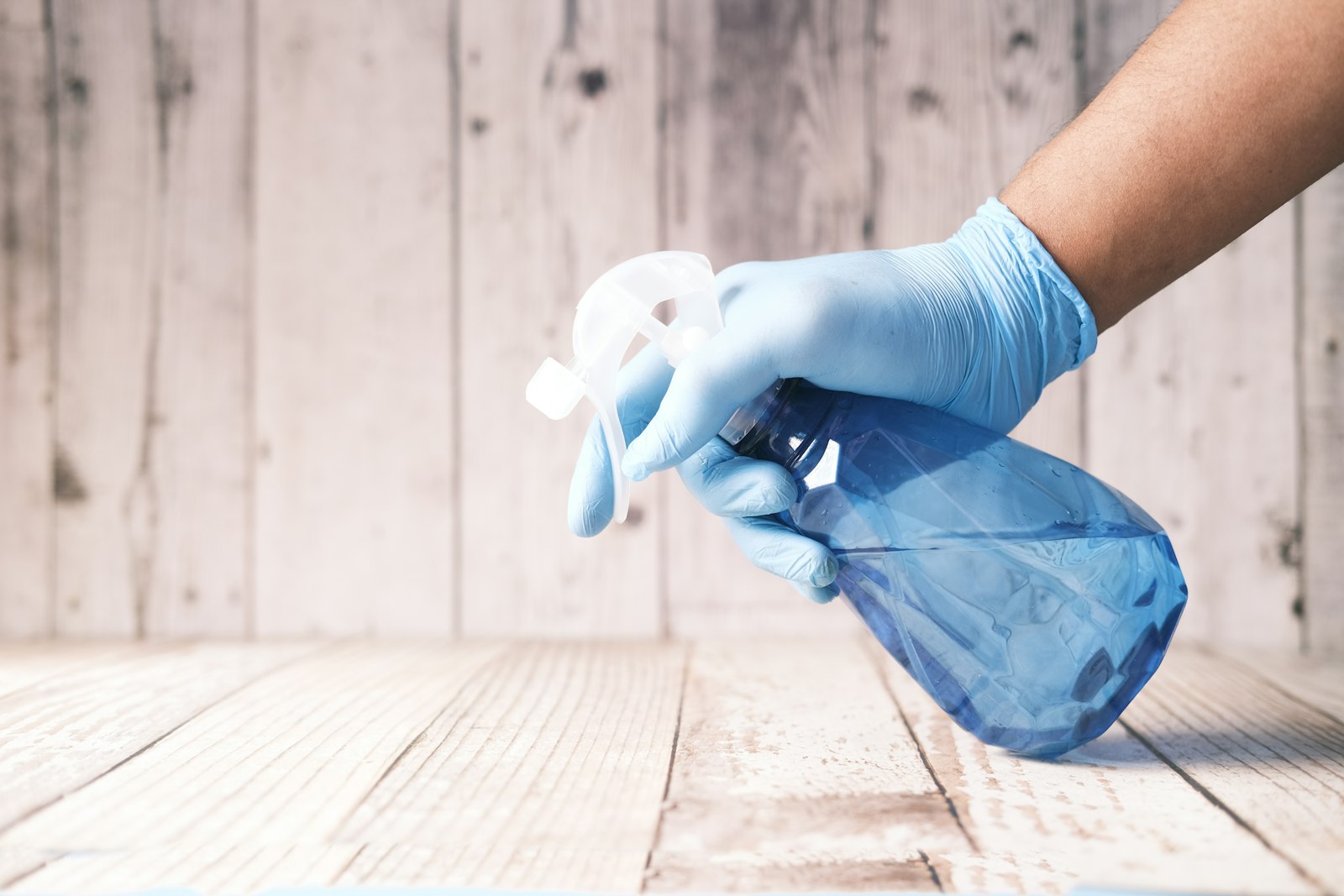
Most cleaning sprays come in plastic bottles that get used up and tossed. A sturdy glass spray bottle can be refilled for years with concentrates or simple homemade cleaners. The switch is easy, saves space under the sink and keeps a steady stream of plastic out of your trash.
Quick answer: To switch to refillable glass spray bottles, buy a few glass bottles with good trigger sprayers, label each one for a single cleaner, and refill them from concentrates, refill pouches or simple mixes like diluted vinegar. Use up your old plastic bottles first, then recycle them.
Why switching to glass spray bottles matters
Plastic packaging is a big part of what households throw away, and most of it is never recycled. The U.S. EPA estimated that 14.5 million tons of plastic containers and packaging were generated in 2018, but only about 13.6% was recycled, and over 69% went to landfills (EPA). Every cleaning bottle you refill instead of replace is one less piece of plastic in that pile.
Glass is easy to clean, does not absorb odors and can last for years with care. When you pair it with a concentrate or refill pouch, you ship and store mostly the cleaning ingredients, not water and new bottles.
What you need
- Two to four glass spray bottles, about 16 ounces each. Amber or cobalt glass helps protect light-sensitive mixes, and a silicone sleeve adds grip and protects against bumps.
- Sturdy trigger sprayers. Look for well-reviewed, replaceable triggers.
- A small funnel.
- Labels: masking tape and a marker, or waterproof labels.
- Cleaning concentrates, refill tablets or simple ingredients like white vinegar and liquid castile soap.
How to switch to refillable glass spray bottles
- Use up what you have. Finish your current plastic sprays first. Then rinse the empty bottles and recycle them if your local program accepts them.
- Decide how many bottles you need. Most homes do fine with an all-purpose spray, a glass cleaner and a bathroom cleaner.
- Label before you fill. Write the cleaner name and the mix recipe or dilution on each bottle so nobody mixes them up.
- Fill with a funnel. Add the concentrate or tablet and water as the label directs, or make a simple DIY mix such as equal parts white vinegar and water for glass.
- Test the spray. Pump the trigger a few times over the sink to make sure it sprays evenly and doesn’t leak.
- Store bottles safely. Keep them in a cabinet or caddy away from the edge of counters and out of reach of young children.
- Clean the sprayer now and then. Run warm water through the trigger every few refills to stop clogs, especially with soap-based mixes.
Common mistakes to avoid
- Mixing chemicals. Never combine bleach with vinegar, ammonia or other cleaners. Dangerous gases can form. Use one bottle for one cleaner and rinse well before switching.
- Using vinegar on the wrong surfaces. Vinegar can etch natural stone like granite and marble. Use a stone-safe cleaner there.
- Skipping labels. Unlabeled bottles lead to mix-ups and make it hard for others in your home to clean safely.
- Dropping glass on hard floors. A silicone sleeve and a cleaning caddy make breaks much less likely.
Frequently asked questions
Are glass spray bottles better than plastic?
For refilling, glass often lasts longer, doesn’t hold odors and is easy to clean. It is heavier and can break, so a protective sleeve helps. The biggest win is reusing any bottle many times instead of buying new ones.
What can I put in a glass spray bottle?
Store-bought concentrates, dissolving cleaning tablets and simple mixes like diluted vinegar or mild soap and water all work. Avoid storing products whose labels say to keep them in their original container.
Why use amber or blue glass bottles?
Colored glass blocks some light, which can help mixes that include essential oils or hydrogen peroxide last longer. For plain vinegar or soap solutions, clear glass works fine.
Can I recycle my old plastic spray bottles?
Often the bottle can be recycled if it is rinsed and your local program accepts it, but the trigger usually can’t. Check your city’s recycling guide, or keep one old bottle for messy jobs.
See your household’s waste impact
Wondering how much packaging your home throws out each week? Try our free Household Waste Simulator to estimate your family’s trash and recycling and see how swaps like refillable bottles add up.
Related guides
- How to Switch to Concentrated Cleaning Tablets
- How to Replace Paper Towels with Reusable Microfiber Cloths
- How to Set Up a Home Recycling Station That Actually Works
Sources
Written and reviewed by the Accessible Sustainability Alliance editorial team. Last updated October 5, 2026.