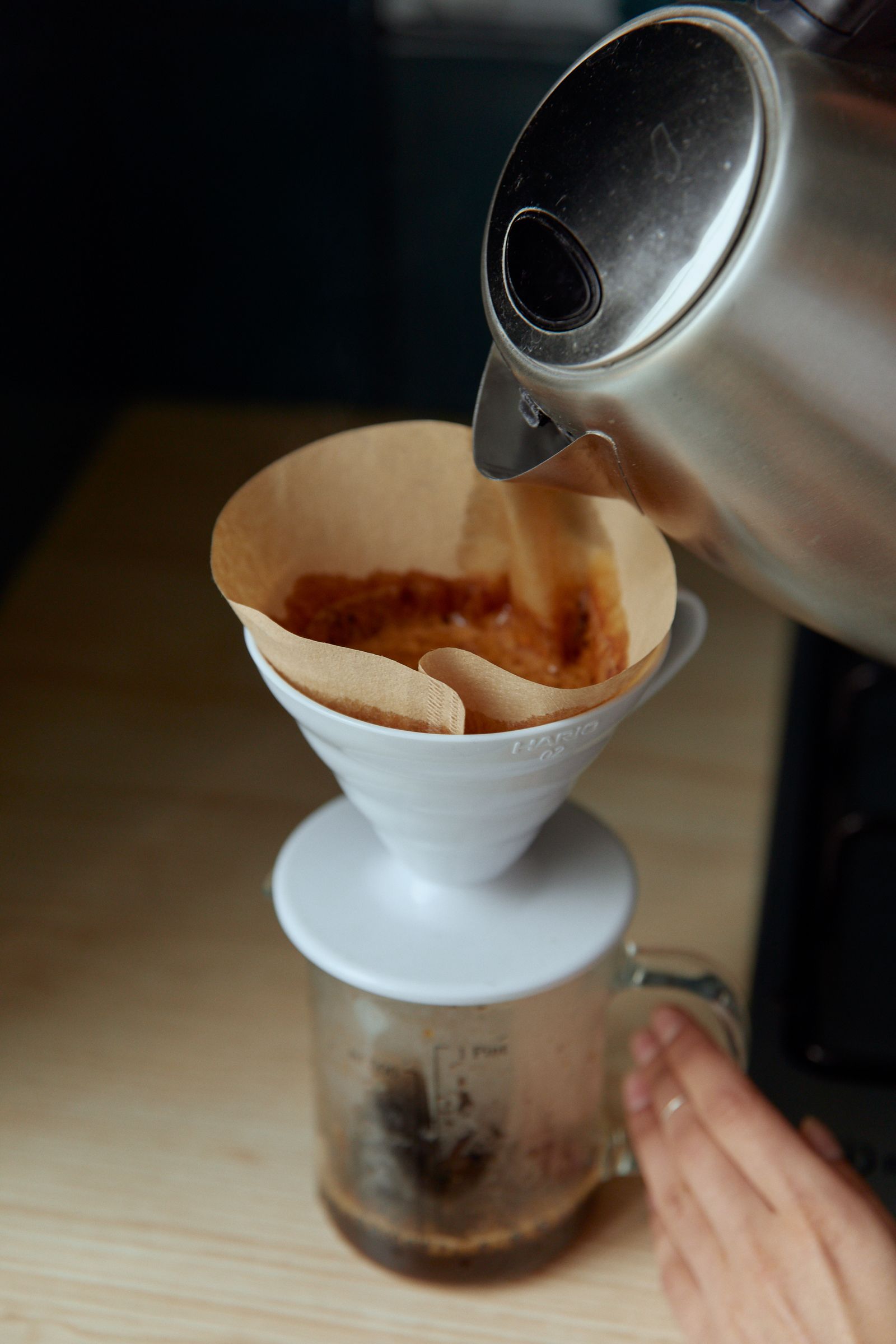
A reusable coffee filter is a stainless steel or mesh basket that replaces paper filters in your coffee maker. Basic models are often sold for just a few dollars, and one filter can last for years. You stop buying paper filters, and your grounds can go straight into compost.
Quick answer: Buy a reusable mesh filter that matches your coffee maker’s basket shape and size, brew as usual with a slightly coarser grind, then dump the grounds into compost and rinse the filter after each use.
Why switch from paper coffee filters
A paper filter is used once for a few minutes and thrown away. If you brew every day, that is hundreds of filters a year from one kitchen, plus the boxes they come in. A reusable filter cuts that waste to zero and pays for itself over time.
The real win is what happens to the grounds. The U.S. EPA lists coffee grounds and paper filters as compost-friendly “green” materials (EPA). That matters because food is the single largest material sent to U.S. landfills, at about 24% of landfilled trash in 2018 (EPA). In California, coffee grounds belong in your green organics bin under SB 1383, the state’s food waste law, so they can be composted instead of buried.
What you need
- A reusable filter that fits your machine: cone-shaped (check the number, such as No. 2 or No. 4) or flat-bottom basket style
- Stainless steel mesh is the most common and durable choice; cloth filters are another option
- A small brush or old toothbrush for cleaning
- A compost bin, green bin or kitchen scrap container
How to switch to a reusable coffee filter
- Check your basket. Look at your coffee maker’s filter basket. Note if it is a cone or a flat-bottom basket and measure it, or check the manual for the paper filter size it uses.
- Buy the matching filter. Choose a reusable filter in the same shape and size. Many are labeled by machine type or by paper filter number.
- Adjust your grind. Mesh holes are larger than paper pores, so very fine grounds can slip through. Use a medium grind, or a little coarser than you used before.
- Brew as usual. Put the filter in the basket, add your usual amount of coffee, add water and start the machine.
- Empty the grounds. Let the filter cool for a minute, then tap the grounds into your compost or green bin.
- Rinse right away. Rinse the filter under the tap, using the brush to clear the mesh. Do not let wet grounds sit for hours, or the filter can get smelly or moldy.
- Deep clean weekly. Once a week, wash it with warm soapy water or put it on the top rack of the dishwasher if the maker says it is safe. A soak in water and a little baking soda helps remove oily buildup.
Tips
- If your coffee tastes muddy, try a coarser grind before giving up on the filter.
- Keep one or two paper filters on hand for guests who prefer them, then compost those too.
- Coffee made with a mesh filter usually tastes fuller, because more of the natural oils pass through.
- Do not pour grounds down the sink. They can build up and clog pipes.
Frequently asked questions
Do reusable coffee filters change the taste?
Yes, a little. Metal mesh lets more coffee oils and tiny particles through than paper, so the coffee often tastes bolder and richer. Many people like the change; others prefer a cleaner cup.
Is coffee from a metal filter less healthy?
Paper filters catch natural compounds called diterpenes. Harvard’s Nutrition Source notes that unfiltered coffee contains diterpenes that can raise LDL cholesterol, while paper-filtered coffee contains almost none (Harvard T.H. Chan School of Public Health). If cholesterol is a concern for you, talk with your doctor about which brewing method fits you.
Can I compost coffee grounds and filters?
Yes. The EPA lists coffee grounds and paper filters as compostable. Grounds add nitrogen to a compost pile, and in California they go in the green organics bin.
How long does a reusable coffee filter last?
A stainless steel filter can last for years with daily rinsing. Replace it if the mesh tears or the frame bends.
See your kitchen’s impact
Coffee is one small part of what your household eats and throws away. Try our free Food & Diet Simulator to see how your food choices and kitchen habits add up for the planet.
Related guides
- How to Brew Coffee with a French Press Instead of a Pod Machine
- How to Grind Coffee Without Electricity Using a Manual Grinder
- How to Set Up a Countertop Compost Bin in a Small Apartment
Sources
- U.S. EPA, Composting At Home
- U.S. EPA, National Overview: Facts and Figures on Materials, Wastes and Recycling
- Harvard T.H. Chan School of Public Health, Coffee (The Nutrition Source)
Written and reviewed by the Accessible Sustainability Alliance editorial team. Last updated October 5, 2026.