Buying food in bulk can save money and trips to the store, but only if you eat it before it spoils. A basic countertop vacuum sealer lets you split big packs of meat, cheese, coffee or grains into smaller portions that stay fresh much longer. You don’t need a meal kit or a monthly subscription, just a one-time machine and the right bags.
Quick answer: To vacuum seal bulk food without a subscription, buy a basic countertop vacuum sealer and textured vacuum bags or rolls, divide the food into meal-size portions, pat wet foods dry or pre-freeze them, seal each bag, label it with the date and freeze or store it.
Why vacuum sealing helps cut food waste
Wasted food is a big problem. The U.S. Department of Agriculture says over one-third of all available food in the United States goes uneaten through loss or waste, and estimates the average family of four loses about $1,500 a year to uneaten food (USDA). Bulk buys that go bad before you finish them are part of that loss.
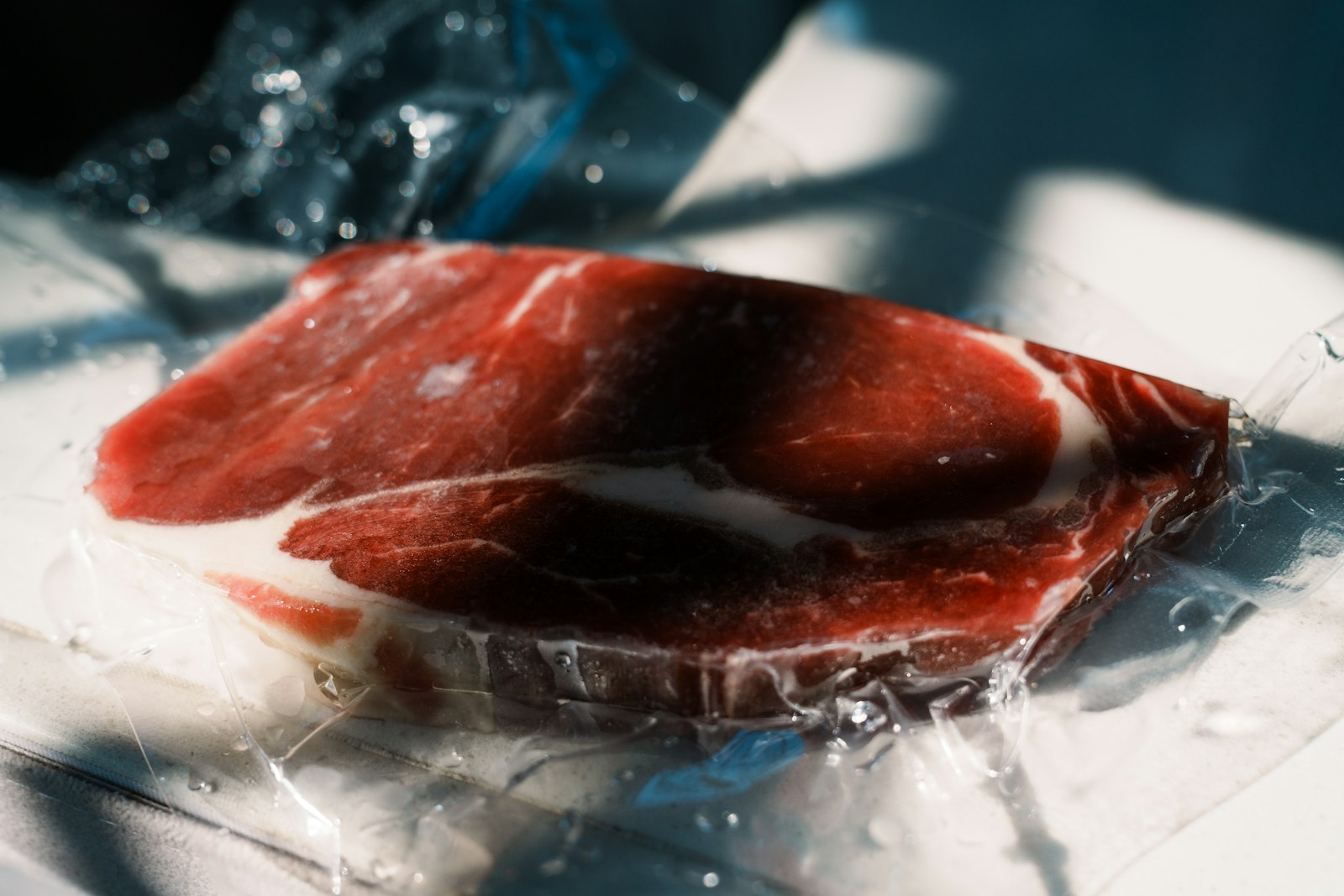
Vacuum sealing removes most of the air from the package. Less air means less freezer burn, so frozen food keeps its taste and texture longer. Freezing is what keeps food safe: food kept at 0°F stays safe indefinitely, and recommended freezer times are about quality, not safety. University of Nebraska–Lincoln Extension lists about 12 months as the quality limit for frozen steaks, chops and roasts (UNL Food).
What you need
- A basic countertop vacuum sealer. Simple models with a vacuum-and-seal button work well for most households.
- Vacuum sealer bags or rolls with a textured or channeled side. Smooth zip bags and plastic wrap won’t work in a standard sealer.
- Scissors for cutting rolls to size.
- Paper towels.
- A permanent marker or labels.
- A baking sheet for pre-freezing soft or wet foods.
How to vacuum seal bulk food
- Plan your portions. Decide how much your household uses in one meal, such as one pound of ground meat or two chicken breasts. Small portions mean you thaw only what you need.
- Cut the bag to size. If you use a roll, cut a piece about 3 inches longer than the food so the machine has room to grip and seal. Seal one end first to make a pouch.
- Prep the food. Pat meat and fish dry with paper towels. Liquid pulled into the sealing strip can stop the bag from sealing.
- Pre-freeze soft or juicy foods. Spread berries, soups in containers, or marinated meat on a tray and freeze for an hour or two until firm. This keeps them from getting crushed or leaking during sealing.
- Fill and position the bag. Place the food inside, keeping the open edge clean and dry. Lay the open end flat across the sealer’s vacuum channel and close the lid.
- Vacuum and seal. Press the vacuum-and-seal button. The bag will tighten around the food, then the machine will heat-seal it closed. Check that the seal is smooth with no wrinkles.
- Label and store. Write what it is and the date on each bag. Freeze meat, fish and prepared meals right away, and keep sealed dry goods in a cool, dark cupboard.
Tips for better results
- Leave room for the seal. Overfilled bags often fail to seal. Keep a few inches of empty bag at the top.
- Protect sharp edges. Bones and pasta can poke holes. Fold a paper towel over sharp points first.
- Reuse bags when it’s safe. Bags that held dry foods like rice or coffee can often be washed, dried and resealed slightly shorter. Don’t reuse bags that held raw meat, fish or greasy foods.
- Thaw safely. Thaw sealed meat in the fridge or in cold water, not on the counter.
Frequently asked questions
How long does vacuum sealed meat last in the freezer?
Meat kept at 0°F stays safe indefinitely, but quality slowly drops. Use quality guidelines, such as about 12 months for frozen steaks and roasts, and vacuum sealing helps prevent freezer burn during that time.
Do I need special bags for a vacuum sealer?
Most countertop sealers need bags with a textured or channeled surface so air can be pulled out. You can buy them as pre-cut bags or as rolls you cut to size, from many brands.
Does vacuum sealing replace refrigeration?
No. Vacuum sealing slows spoilage, but fresh meat, fish, cheese and cooked food still need to be refrigerated or frozen. Some bacteria can grow without oxygen, so never store sealed perishable food at room temperature.
What foods should not be vacuum sealed?
Raw mushrooms, garlic and soft cheeses can be risky or spoil quickly in an airless bag at fridge temperature. Fresh leafy greens may get crushed. When in doubt, freeze the item or use another storage method.
See your food impact
Curious how bulk buying and wasted food affect your household’s footprint? Try our free Food & Diet Simulator to estimate your family’s food impact and see which habits cut waste the most.
Related guides
- How to Label Your Fridge with FIFO Stickers to Cut Waste
- How to Freeze Herbs in Olive Oil Before They Wilt
- How to Switch to Clear Bins So You Stop Forgetting Food
Sources
- U.S. Department of Agriculture, Food Loss and Waste
- University of Nebraska–Lincoln Extension, I have frozen meat that is past the date on the package. Is it safe to eat?
Written and reviewed by the Accessible Sustainability Alliance editorial team. Last updated October 5, 2026.