Fresh herbs often wilt in the fridge before you can use the whole bunch. Freezing them in olive oil turns leftovers into small flavor cubes you can drop straight into a pan or soup. It takes about 15 minutes and saves both money and food.
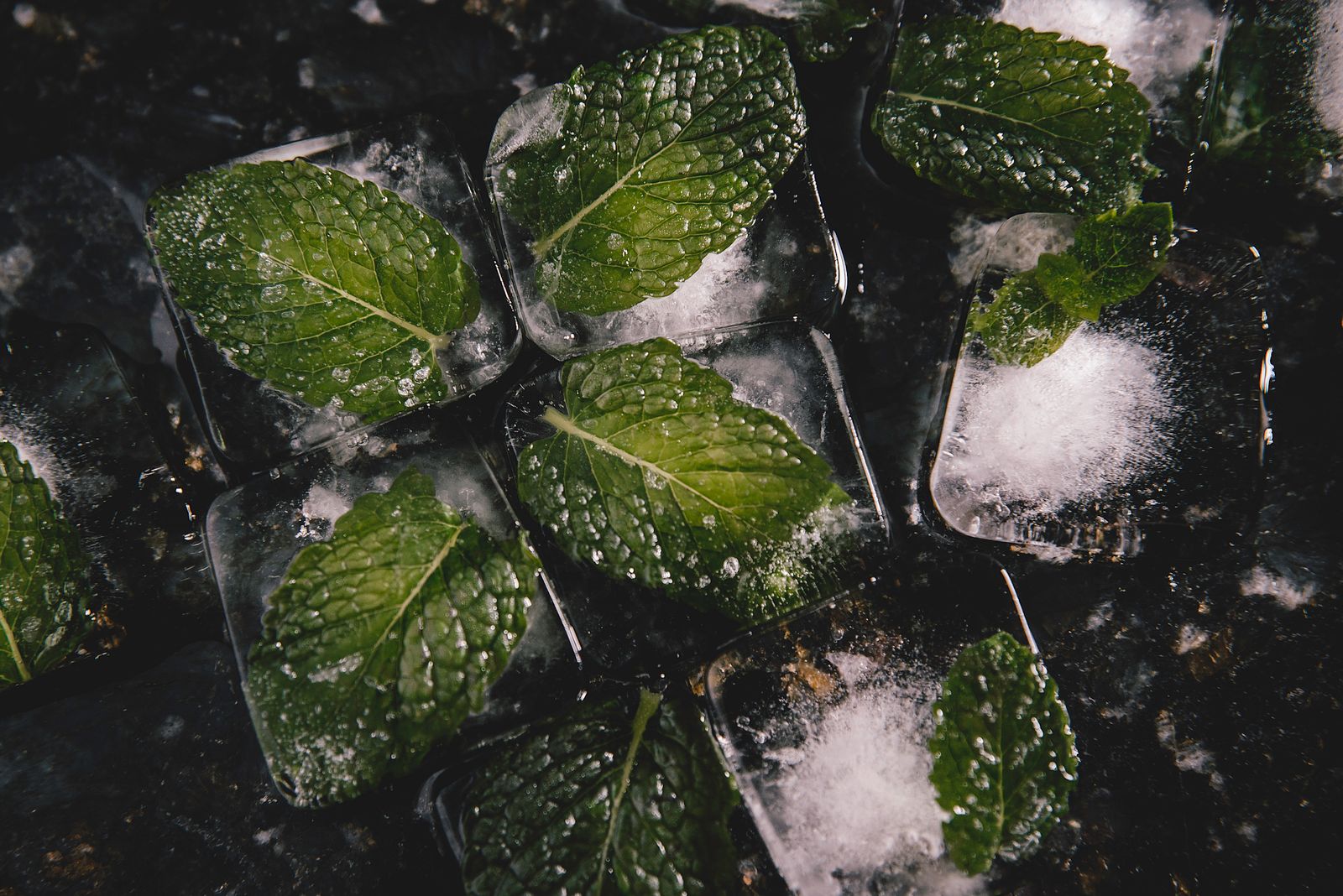
Quick answer: To freeze herbs in olive oil, wash and fully dry the herbs, chop them, pack them into an ice cube tray about two-thirds full, cover with olive oil and freeze overnight. Pop the cubes into a labeled freezer bag and keep them frozen until you cook.
Why freezing herbs matters
Herbs are easy to waste because recipes call for a few sprigs and the rest of the bunch goes limp. That adds up. The U.S. Department of Agriculture says over one-third of all available food in the United States goes uneaten through loss or waste (USDA). Saving even small things like herbs helps your household waste less.
Freezing in oil is also a food safety choice. Oregon State University Extension explains that herbs and vegetables stored in oil create a low-oxygen setting where Clostridium botulinum, the bacteria that cause botulism, can grow. It says homemade herb and garlic oils should be kept in the refrigerator for no more than 4 days or frozen for long-term storage, and that chopped herbs in oil can be frozen in ice cube trays (Oregon State University Extension). Freezing keeps your herb cubes safe and ready to use.
What you need
- Fresh herbs, such as basil, rosemary, thyme, oregano, sage or parsley.
- Olive oil (extra virgin or regular both work).
- A silicone ice cube tray. Silicone makes the cubes easy to pop out.
- A salad spinner or clean kitchen towels.
- A knife and cutting board, or a food processor.
- A freezer bag or airtight container, plus a marker for labeling.
How to freeze herbs in olive oil
- Wash the herbs. Rinse them under cool water to remove dirt and bugs.
- Dry them completely. Spin them in a salad spinner, then pat or air-dry on a towel. Extra water can cause ice crystals and freezer burn.
- Remove tough stems. Strip leaves from woody stems like rosemary and thyme. Soft stems on parsley and cilantro can stay.
- Chop the herbs. Chop finely by hand or pulse in a food processor. You can freeze one herb per tray or make mixes, such as rosemary and thyme for roasting.
- Fill the tray. Pack the chopped herbs into each cube slot until it is about two-thirds full.
- Cover with oil. Pour olive oil over the herbs until they are fully covered. Leave a little space at the top of each slot.
- Freeze overnight. Set the tray on a flat shelf, cover it with a lid if it has one, and freeze until firm.
- Bag and label. Pop the cubes out, put them in a freezer bag or container, and write the herb name and date on it. Keep them frozen and take out only what you need.
Tips and mistakes to avoid
- Never leave herb-oil cubes at room temperature. Take them straight from the freezer to the hot pan or pot.
- Don’t refrigerate oil mixtures for long. If you thaw a cube, use it within a few days and keep it cold.
- Pick hardy herbs for best results. Rosemary, thyme, sage and oregano hold up very well. Basil works too, especially chopped into oil.
- Use cubes in cooked dishes. Frozen herbs lose their crisp texture, so they are best in sauces, soups, roasted vegetables and sautés rather than as a fresh garnish.
Frequently asked questions
How long do herbs frozen in olive oil last?
For the best flavor, try to use them within a few months. They stay safe while frozen, but color and taste slowly fade over time.
Is it safe to store herbs in olive oil in the fridge?
Only for a short time. Oregon State University Extension says homemade herb oils should be refrigerated for no more than 4 days or frozen for longer storage, because of the risk of botulism.
Can I freeze herbs in water instead of oil?
Yes. Water works well for herbs you’ll use in soups, stews or drinks. Oil is handy for sautéing and roasting because the cube melts straight into the pan as cooking fat.
Do I need to thaw the cubes before cooking?
No. Drop a frozen cube right into a warm pan, sauce or soup. It melts in seconds and spreads the herbs evenly.
See your food impact
Want to know how much food your household wastes and what it means for the planet? Try our free Food & Diet Simulator to estimate your family’s food footprint and see which kitchen habits make the biggest difference.
Related guides
- How to Make Zero-Waste Vegetable Broth from Scraps
- How to Regrow Green Onions on Your Windowsill
- How to Vacuum Seal Bulk Food Without a Subscription
Sources
- Oregon State University Extension Service, Herbs and Vegetables in Oil
- U.S. Department of Agriculture, Food Loss and Waste
Written and reviewed by the Accessible Sustainability Alliance editorial team. Last updated October 5, 2026.