The cold water that runs while your shower warms up is clean tap water that usually goes straight down the drain. Catching it in a bucket gives you free water for houseplants, garden beds and pots. It takes no plumbing and costs almost nothing.
Quick answer: Put a bucket under the shower head before you turn on the water, collect the cold water until it runs warm, then move the bucket out and use that water on your plants the same day. Never collect soapy water.
Why it matters
Showers use a lot of water. EPA WaterSense reports that showering makes up nearly 17% of indoor water use in homes, about 40 gallons per day for the average household. A standard showerhead uses 2.5 gallons per minute, so every minute you wait for hot water can send a couple of gallons of clean water down the drain.
Outdoor watering is even bigger. WaterSense says the average U.S. household uses more water outdoors than for showering and washing clothes combined. Using warm-up water on plants cuts the amount of fresh tap water you need for both. In dry places like California, every gallon saved helps during drought.
What you need
- A bucket that fits in your shower or tub (a 2 to 5 gallon size is easy to carry)
- A watering can (optional)
- A non-slip mat or towel for the floor
How to collect shower water for your plants
- Place the bucket first. Set the bucket under the shower head before you turn on the water.
- Turn on the shower. Let the cold water flow into the bucket while it warms up.
- Feel for warm water. Once the water runs warm, turn the flow aside or step out of the way and move the bucket out of the shower. Don’t let any soap or shampoo get in.
- Carry it safely. A full bucket is heavy. Fill it only partway if needed, lift with your legs, and pour some into a watering can to carry it.
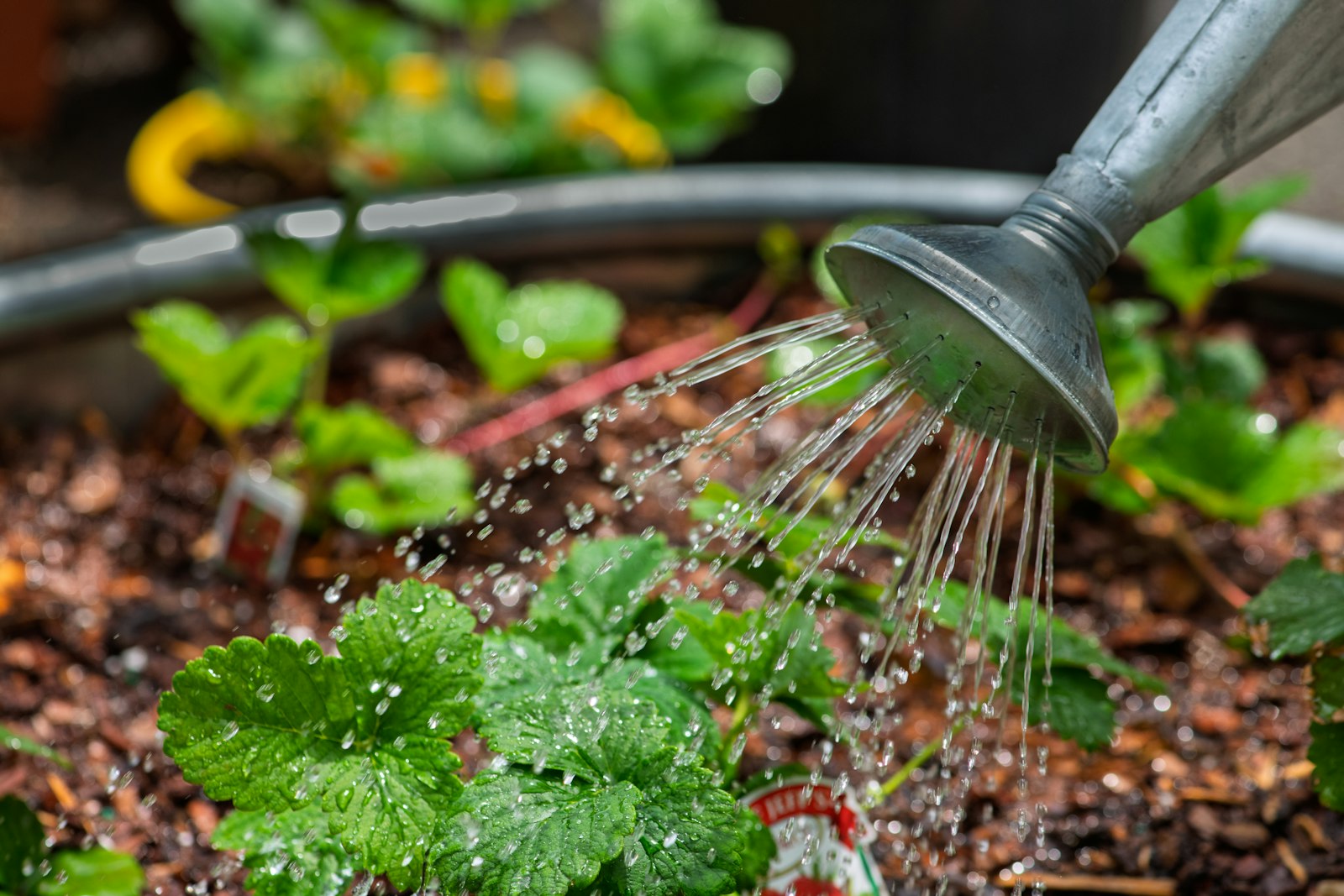
- Water your plants. Use it on houseplants, potted plants, vegetable beds or trees. Water at the base of the plant, not the leaves.
- Use it within a day. Don’t let water sit in an open bucket for days. Standing water can attract mosquitoes.
- Make it a habit. Keep the bucket in the bathroom so it’s always ready. Each person in your household can do the same.
Tips
- Mark the bucket at the one- and two-gallon lines to see how much you save each day.
- Use extra water for other jobs, like flushing the toilet (pour it into the bowl), mopping or rinsing outdoor tools.
- Combine it with a shorter shower. Saving warm-up water and cutting a few minutes from your shower makes an even bigger difference.
- Fix slow warm-up. If it always takes a long time for hot water to arrive, a plumber can check your water heater or pipes.
Frequently asked questions
Is shower water safe for plants?
The cold warm-up water is the same clean tap water that comes from your kitchen sink, so it is fine for plants. Water with soap, shampoo or conditioner in it is different. It counts as greywater and has its own rules.
How much water can I save by catching shower water?
It depends on how long your shower takes to warm up and your shower head’s flow rate. With a standard 2.5 gallon per minute showerhead, even 30 seconds to a minute of waiting can add up to more than a gallon per shower.
Can I reuse soapy shower water in the garden?
Soapy water from showers and sinks is called greywater. Some states, including California, allow simple greywater systems if you follow certain rules. Check local rules before using it, and don’t use it on vegetables you eat raw.
What else can I use the collected water for?
Besides plants, you can pour it into the toilet bowl to flush, use it for mopping, or fill a pet’s outdoor water dish if it is fresh.
See your water impact
Want to see how much water your family uses and where it goes? Try our free Household Water Simulator to compare showers, laundry, outdoor watering and more.
Related guides
- How to Use a Shower Timer to Build a Shorter-Shower Habit
- How to Reuse Greywater for Toilet Flushing
- How to Set Up a Rain Barrel for Free Garden Watering
Sources
- U.S. EPA WaterSense, Showerheads
- U.S. EPA WaterSense, Outdoor Water Use
Written and reviewed by the Accessible Sustainability Alliance editorial team. Last updated October 5, 2026.