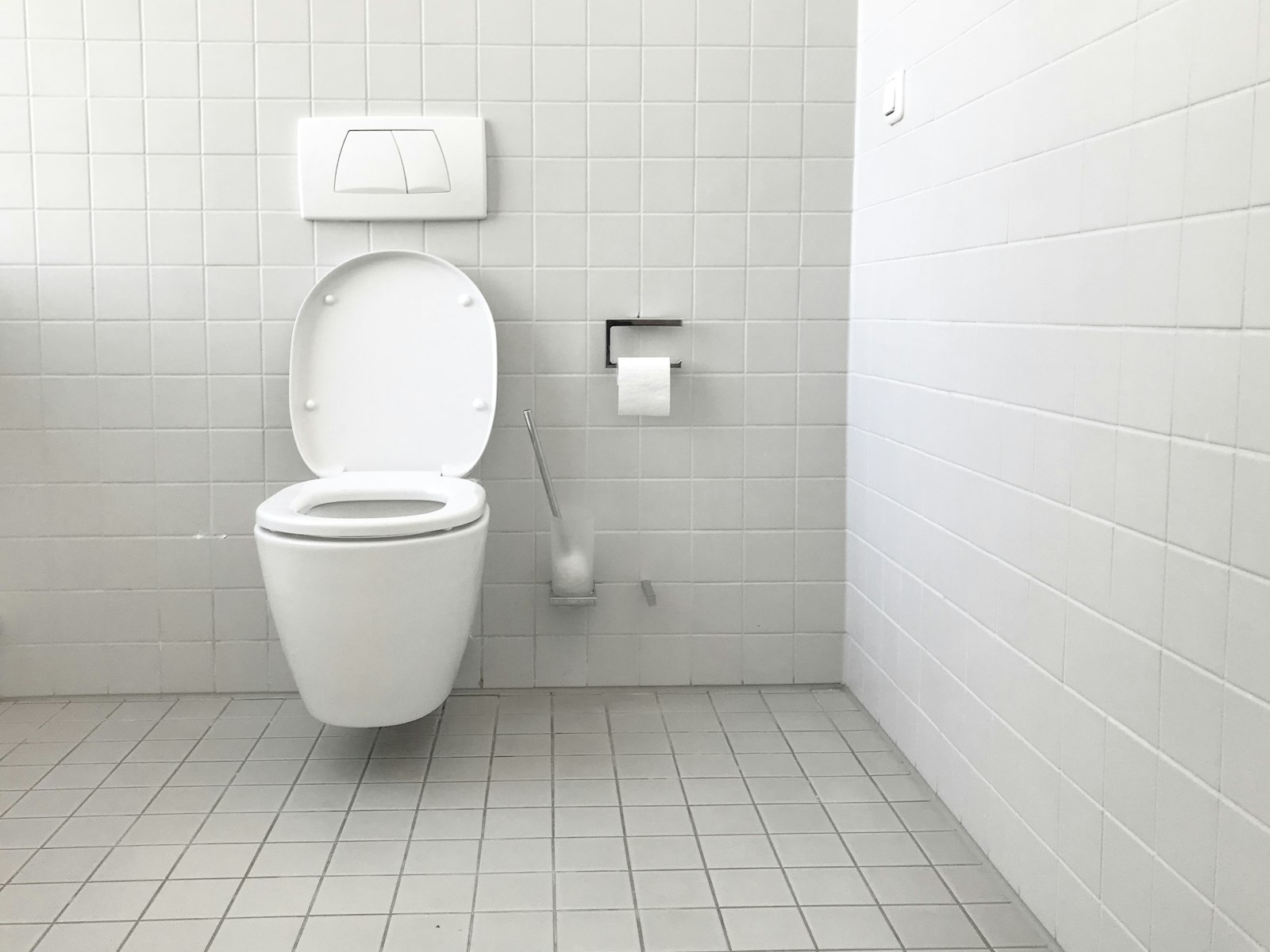
Toilets use more water than anything else inside most homes, and they don’t need drinking-quality water. Reusing greywater, the lightly used water from showers, tubs, bathroom sinks and laundry, to flush the toilet is a simple way to save water. The easiest method needs only a bucket.
Quick answer: Catch shower or bath water in a bucket, then pour about a gallon or more quickly into the toilet bowl (not the tank) to flush it. Use the water the same day, and skip kitchen sink water. Plumbed systems that send greywater to the tank need treatment and usually a permit, so check with your local building department first.
Why flushing with greywater saves so much
EPA WaterSense says toilets are by far the main source of water use in the home, accounting for nearly 30 percent of an average home’s indoor water use. Older toilets can use as much as 6 gallons per flush (EPA WaterSense). Every flush you do with reused water is clean drinking water you don’t have to buy.
Under California law, greywater includes water from bathtubs, showers, bathroom sinks, clothes washers and laundry tubs, but not from kitchen sinks or dishwashers, which carry food and grease (California Water Code 14876). Toilet water is never greywater.
What you need
- A sturdy bucket, about 2 to 3 gallons, with a handle
- A second bucket or large container for the shower, if you want to catch more water
- Mild, plant-based soaps if you also plan to use greywater outdoors
- Gloves, if you prefer, and a towel for spills
How to flush your toilet with greywater (bucket method)
- Place a bucket in the shower or tub while you wash, or scoop water out of the tub after a bath. Bathroom sink water also works.
- Leave out water from the kitchen sink, dishwasher, or anything used to rinse diapers or raw meat.
- Carry the bucket to the toilet carefully. Keep a towel nearby for drips.
- Lift the seat and pour the water quickly and steadily into the bowl, aiming toward the drain hole. A fast pour of about a gallon or more usually triggers a full flush.
- Pour into the bowl, not the tank. Soap, hair and lint in greywater can clog or damage parts inside the tank.
- Use the water the same day. Stored greywater quickly grows bacteria and starts to smell.
- Rinse and dry the bucket, and store it upside down so it doesn’t collect stagnant water.
What about plumbed greywater systems?
Some systems pipe greywater from a shower or sink through a filter and pump into the toilet tank. These are more complex. Greywater must be treated and disinfected before it sits in a tank, and systems with tanks or pumps generally need a permit. In California, rules are strict: the Los Angeles Department of Water and Power says the use of onsite treated graywater for indoor uses such as toilet flushing is currently prohibited in its area because the state has not adopted treatment standards for it (LADWP). Rules vary by city, so ask your local building department before buying equipment.
If you want a permanent greywater project, a laundry-to-landscape system that waters plants outdoors is often simpler. LADWP notes that a clothes washer system serving a one- or two-family home needs no permit if it meets California Plumbing Code requirements.
Tips
- Pair greywater flushing with “if it’s yellow, let it mellow” during droughts to save even more.
- Catch the cold water that runs while your shower warms up. That water is clean, so it can also water plants.
- If you have an older toilet, a WaterSense labeled model or dual-flush conversion cuts water use on every flush.
Frequently asked questions
Can you use shower water to flush the toilet?
Yes. Pouring shower or bath water quickly into the toilet bowl flushes it the same way the tank does. Use it the same day and pour into the bowl, not the tank.
Is it legal to reuse greywater for toilets in California?
Pouring a bucket of water into your own toilet is fine. Plumbed systems are different: they need treatment, and many areas require permits or do not yet allow treated greywater indoors, so check with your city first.
How much water can I save by flushing with greywater?
It depends on how often you do it and how much water your toilet uses per flush. Since toilets are nearly 30 percent of indoor water use, even replacing a few flushes a day adds up over a year.
Why shouldn’t I pour greywater into the toilet tank?
Hair, soap scum and lint can settle in the tank, clog the fill valve or wear out the flapper. Pouring into the bowl avoids those problems.
See your water savings
How much water does your toilet use each year? Try our free Household Water Simulator to compare toilets, showers, laundry and outdoor watering and see which changes save your household the most.
Related guides
- How to Collect Cold Shower Water for Your Plants
- How to Convert an Old Toilet to Dual-Flush
- How to Use a Shower Timer to Build a Shorter-Shower Habit
Sources
- U.S. EPA WaterSense, Residential Toilets
- California Water Code, Section 14876 (graywater definition)
- Los Angeles Department of Water and Power, Types of Graywater Systems
Written and reviewed by the Accessible Sustainability Alliance editorial team. Last updated October 5, 2026.