
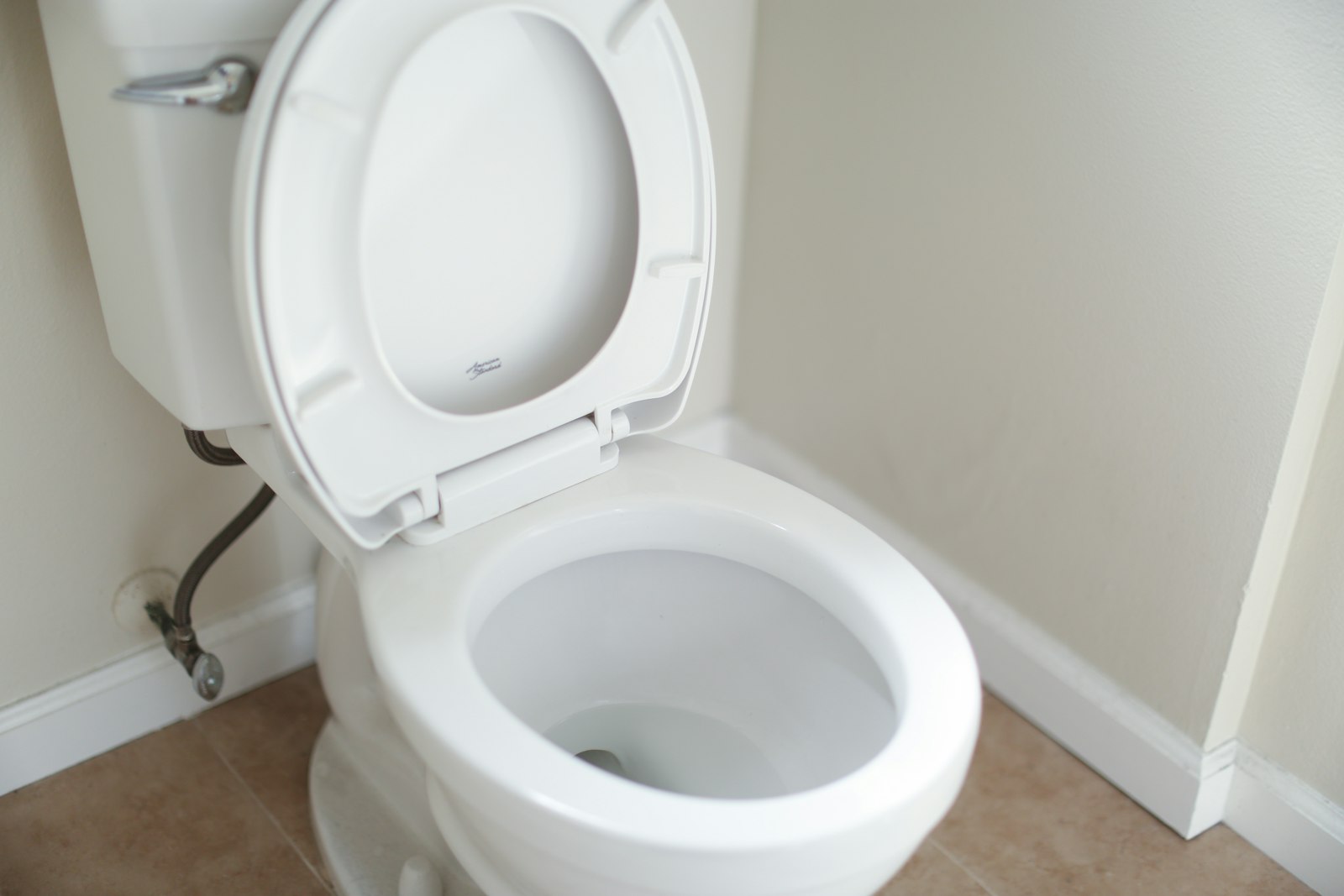
A dual-flush conversion kit swaps the old flapper and handle in your toilet tank for a two-button system: a small flush for liquids and a full flush for solids. Most kits install in under an hour with basic tools and no plumber. It’s a low-cost way to use less water without replacing the whole toilet.
Quick answer: To convert an old toilet to dual-flush, shut off the water, drain the tank, remove the old flapper and chain, install the kit’s flush valve adapter and dual-flush tower, attach the new two-button handle, then refill and adjust the water level until both flushes work well.
Why converting your toilet matters
Toilets use more water than anything else in most homes. EPA WaterSense says toilets account for nearly 30% of an average home’s indoor water use, and older, inefficient models can use as much as 6 gallons per flush (EPA WaterSense). By comparison, a WaterSense labeled toilet uses 1.28 gallons per flush or less.
A dual-flush kit lets you use a smaller flush most of the time, which can cut the water used per day. That matters a lot in drought-prone places like California, where saving water indoors helps stretch local supplies. Keep in mind that a kit improves an old toilet but doesn’t turn it into a WaterSense model. If your toilet is very old, a new WaterSense toilet may save even more, and EPA says replacing old toilets with WaterSense models could save a family more than $170 per year in water costs.
What you need
- A dual-flush conversion kit that fits your toilet. Check the package for flush valve size (usually 2-inch or 3-inch) and tank compatibility.
- Adjustable pliers or a wrench.
- A sponge and a bucket or towels.
- Rubber gloves.
- A tape measure.
- Optional: food coloring or toilet dye tablets to check for leaks.
How to convert an old toilet to dual-flush
- Check the fit. Take the tank lid off and measure the opening of the flush valve drain (the hole the flapper covers). Most are 2 or 3 inches. Buy a kit that matches.
- Shut off the water. Turn the supply valve behind the toilet clockwise until it stops. Flush to empty most of the tank.
- Sponge out the rest. Soak up the remaining water with a sponge and wring it into a bucket so you can work in a dry tank.
- Remove the old parts. Unhook the flapper chain from the handle arm and pull the flapper off the overflow tube pegs. Remove the old handle by loosening the nut inside the tank.
- Install the adapter and tower. Follow the kit directions to attach the adapter ring or seal to the flush valve seat, then snap or twist the dual-flush tower onto it.
- Mount the new handle or buttons. Install the new dual-flush button or handle in the tank hole or lid, and connect its cable or linkage to the tower.
- Refill and adjust. Turn the water back on. Set the water level about 1 inch below the top of the overflow tube, or to the mark on the tank. Adjust the tower’s settings so the small flush clears liquids and the full flush clears solids.
- Test for leaks. Add a few drops of food coloring to the tank and wait 15–20 minutes without flushing. If color shows up in the bowl, reseat the tower or seal until it stops.
Common mistakes to avoid
- Buying the wrong size. A 2-inch kit won’t seal on a 3-inch valve. Measure before you shop.
- Setting the water too low. Too little water can cause weak flushes and double-flushing, which wastes more water than you save.
- Ignoring a running toilet. If water keeps trickling, the seal isn’t seated or the fill valve needs adjusting. A silent leak can waste a lot of water.
- Overtightening plastic nuts. Hand-tight plus a small turn is enough. Cracked parts cause leaks.
Frequently asked questions
Do dual-flush conversion kits really save water?
They can, because most flushes are for liquid waste and the small flush uses less water. Savings depend on your toilet, how the kit is adjusted and how your household uses it.
Will a dual-flush kit work on any toilet?
Many kits fit most standard two-piece toilets with a flapper, but not all. Check the kit’s compatibility list for flush valve size and tank shape. One-piece and pressure-assist toilets often need different parts.
Is it better to convert or replace an old toilet?
If your toilet works well and you want a cheap upgrade, a kit is a good start. If it is very old or uses a lot of water per flush, a WaterSense labeled toilet using 1.28 gallons per flush or less may save more water over time.
How do I know which button to use?
Most kits use a smaller button or a lift-up handle direction for the light flush and a larger button or push-down for the full flush. Many come with a small sticker you can put on the lid as a reminder.
See your household’s water impact
Want to know how much water your toilets, showers and yard use? Try our free Household Water Simulator to estimate your family’s water use and see how upgrades like a dual-flush kit add up.
Related guides
- How to Reuse Greywater for Toilet Flushing
- How to Install a Faucet Aerator to Cut Water Use
- How to Install a Smart Leak Detector That Texts You for Free
Sources
- U.S. EPA WaterSense, Residential Toilets
Written and reviewed by the Accessible Sustainability Alliance editorial team. Last updated October 5, 2026.