
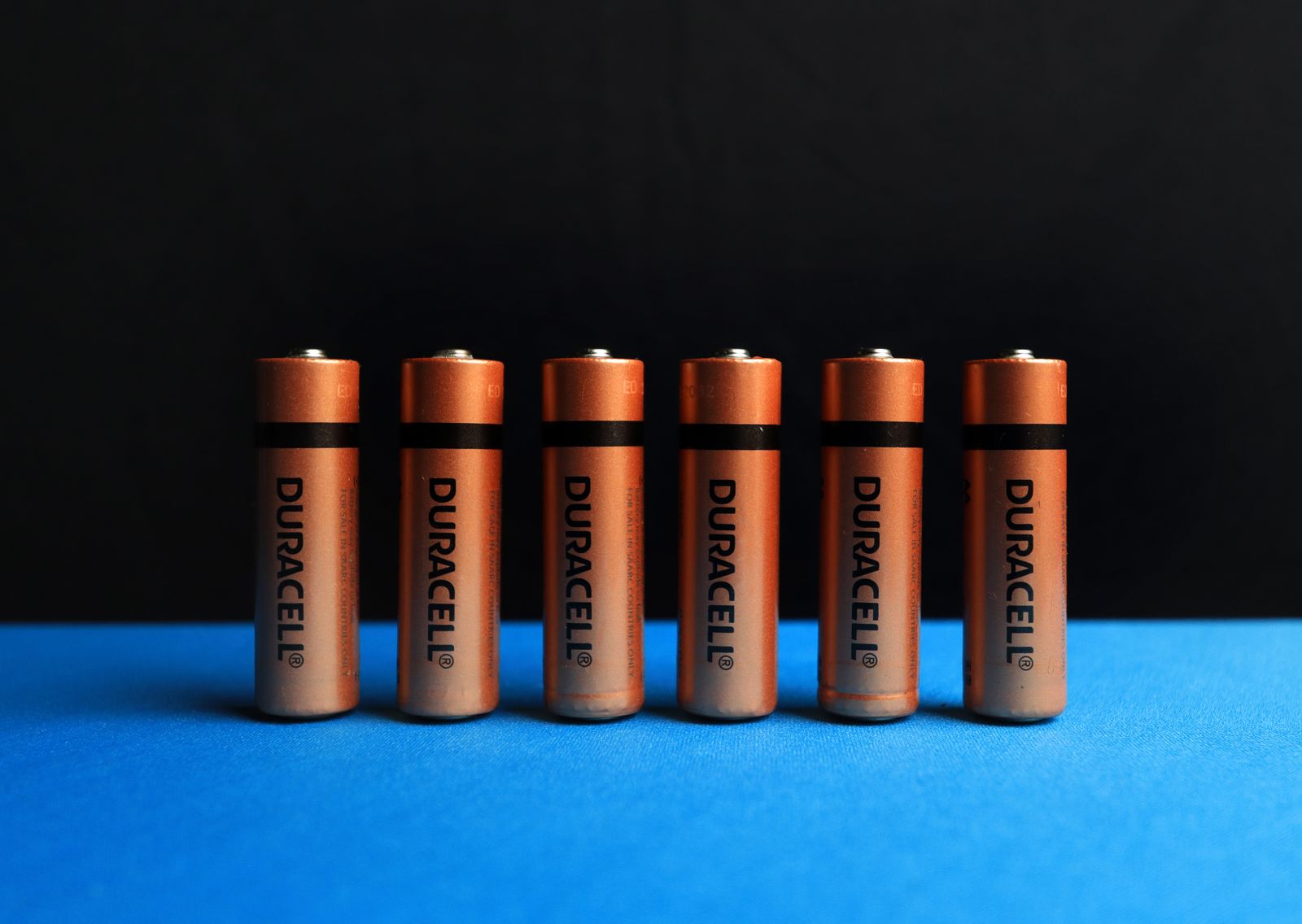
Switching to rechargeable batteries means you stop buying, using and tossing the same AA and AAA batteries over and over. One set of good rechargeables can power your remotes, game controllers and flashlights for years. With a smart charger and a simple storage system, the switch is easy.
Quick answer: Buy low self-discharge nickel-metal hydride (NiMH) AA and AAA batteries and a smart charger that stops when each battery is full. Keep charged and empty batteries in separate bins, and take old batteries to a recycling drop-off, never the trash.
Why rechargeable batteries are worth it
A single-use battery gets used once and thrown away. Ventura County Public Works reports that nickel-metal hydride batteries can be recharged 500 to 1,000 times. The same article cites research finding that a rechargeable needs about 50 charge cycles to make up for most of its bigger manufacturing impact compared with alkaline batteries. Use it more than that, and it comes out ahead.
How you get rid of batteries matters too. The U.S. EPA warns that batteries can still hold enough energy to start fires even when they seem dead, and says rechargeable batteries should never go in the trash or recycling bin. In California, it is illegal to put batteries in the trash or recycling containers at all.
What you need
- Rechargeable NiMH batteries in the sizes you use most (usually AA and AAA). Look for “low self-discharge” or “pre-charged” on the package. These hold their charge for months on a shelf.
- A smart charger that charges each battery separately and stops when it is full
- Two small bins or boxes with labels: “Charged” and “Needs charging”
- A bag or jar for old batteries going to recycling, plus some clear tape
How to switch to rechargeable batteries
- Count what you use. Open your gadget drawer and list each device and its battery size. Most homes mostly need AA and AAA.
- Buy enough for two sets. Get enough rechargeables to fill your most-used devices, plus a spare set to swap in while the first set charges.
- Pick a smart charger. Choose one with separate charging bays and automatic shut-off. Cheap chargers that run on a fixed timer can overcharge batteries and shorten their life.
- Set up your bins. Label one bin “Charged” and one “Needs charging.” Every empty battery goes straight into the second bin.
- Charge on a routine. Pick one day a week to charge whatever is in the “Needs charging” bin. Move them to the “Charged” bin when done.
- Match the battery to the device. Rechargeables work great in game controllers, remotes, toys, flashlights and wireless mice. For smoke alarms, follow the maker’s instructions about which battery to use.
- Recycle old batteries the right way. Tape the ends of used batteries, or put each in its own small bag. Then take them to a store drop-off or a household hazardous waste site.
Tips
- Keep one set of charged batteries in your emergency kit and check it a few times a year.
- Don’t mix old and new, or rechargeable and single-use, batteries in the same device.
- Store batteries in a cool, dry place, not in a hot car or garage.
- NiMH batteries show about 1.2 volts instead of 1.5. Most gadgets work fine with them.
Frequently asked questions
How many times can you recharge a rechargeable battery?
Nickel-metal hydride batteries can often be recharged 500 to 1,000 times, depending on the brand and how they are used. Over time they hold a little less charge, and then it’s time to recycle them.
Are rechargeable batteries really better for the environment?
Yes, if you actually reuse them. Research cited by Ventura County found a rechargeable needs about 50 charges to make up for its larger manufacturing footprint. Most families pass that easily in game controllers and remotes.
Can I throw rechargeable batteries in the trash?
No. The EPA says rechargeable batteries should not go in the trash or curbside recycling because they can start fires. In California, all batteries are banned from the trash, so take them to a drop-off point.
Where can I recycle batteries?
Many hardware and electronics stores have battery drop-off bins near the entrance. You can also use Call2Recycle or Earth911 to search by zip code, or take them to your city’s household hazardous waste center.
See your home energy impact
Batteries are a small piece of your home’s energy and waste picture. Try our free Home Energy Simulator to see how your household uses electricity and which simple changes help most.
Related guides
- How to Find a Battery Recycling Drop-Off Point Near You
- How to Switch to Reusable Hand Warmers for Winter
- How to Pair a Home Battery Bank with Your Solar Panels
Sources
- U.S. EPA, Used Household Batteries
- Ventura County Public Works, Eye on the Environment: Time to Recharge After the Holidays
- City of Burbank, Universal and Household Hazardous Waste
Written and reviewed by the Accessible Sustainability Alliance editorial team. Last updated October 5, 2026.