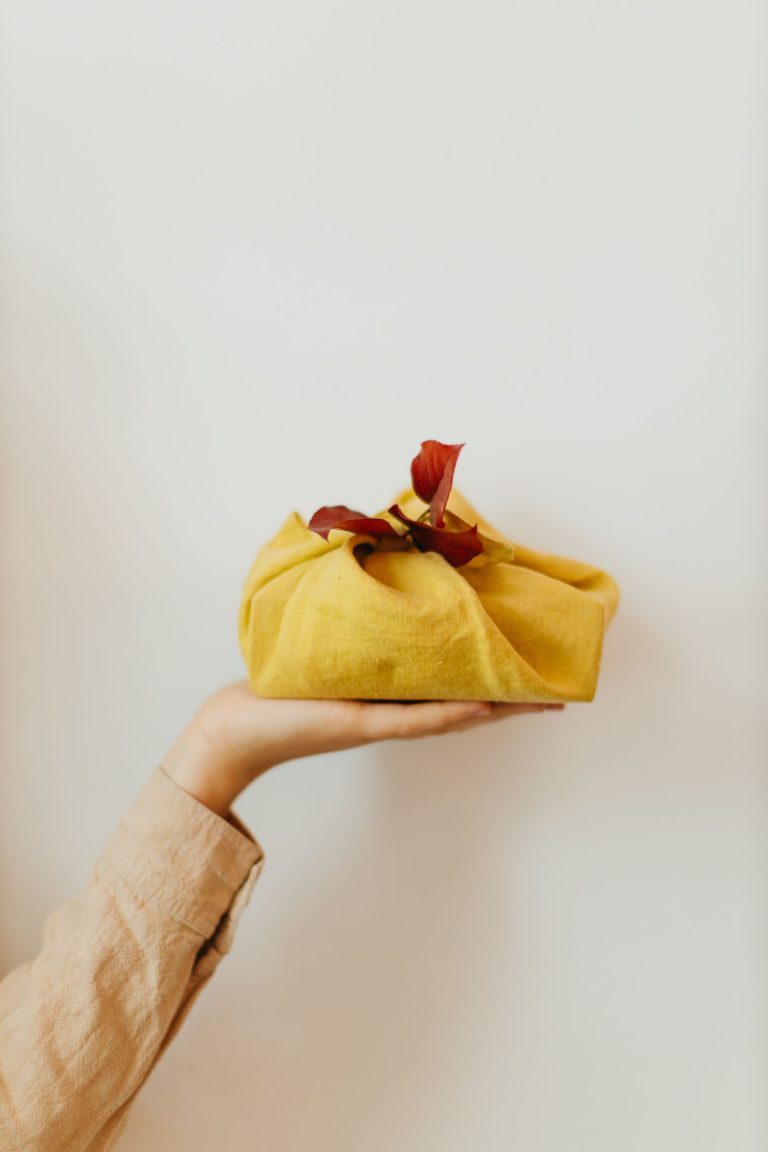
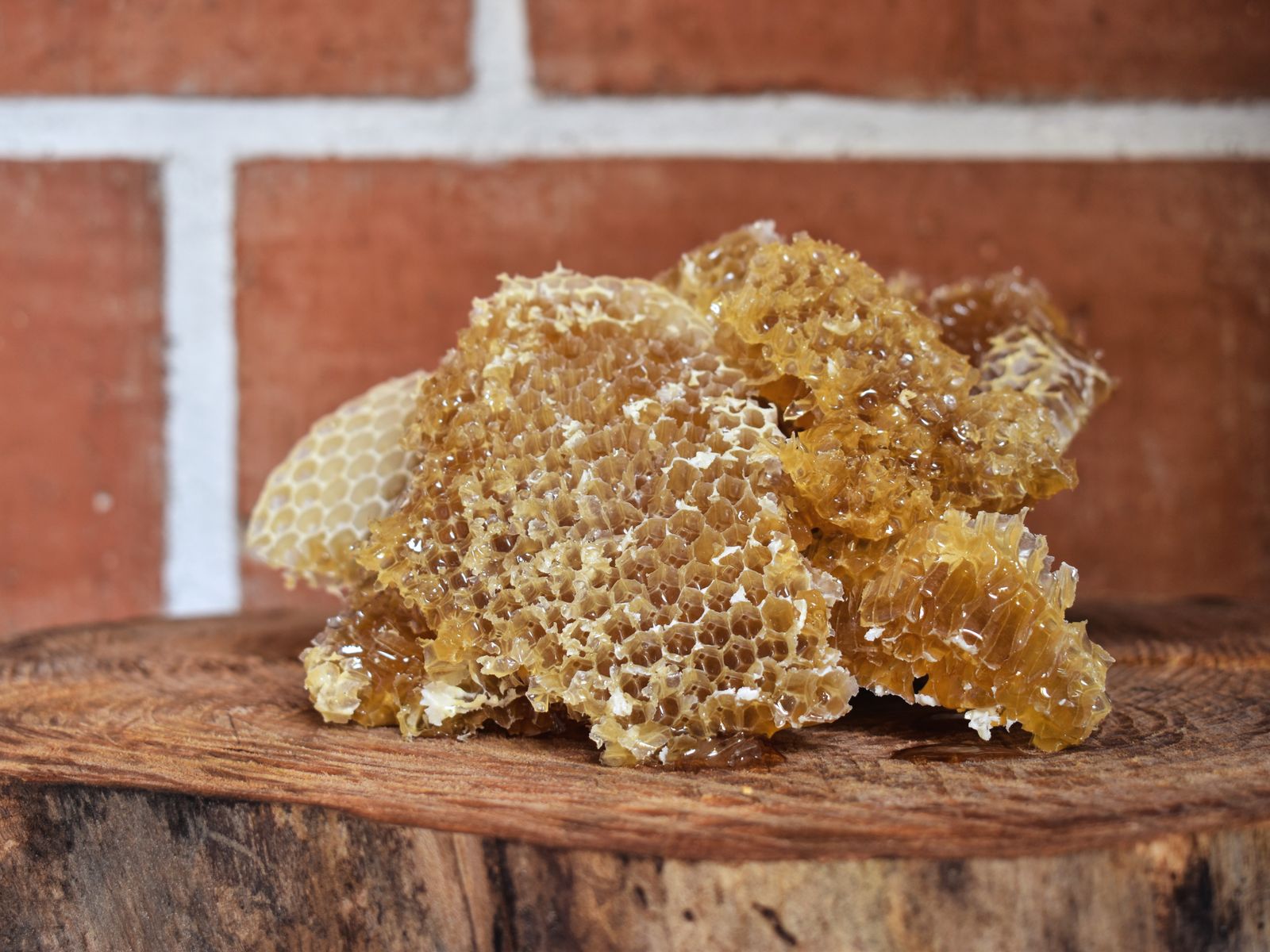
Beeswax wraps are pieces of cotton cloth coated with beeswax, tree resin and oil. Warm them with your hands and they mold around a bowl or a block of cheese, then hold their shape as they cool. One set can replace rolls of plastic wrap for many months.
Quick answer: Buy a set of wraps in a few sizes, press each one around food or a bowl with the warmth of your hands, wash it in cool water with mild soap after use, let it air dry, and keep using plastic-free options like containers for raw meat. Refresh the wax when it stops sticking.
Why switch from plastic wrap?
Plastic wrap is used once and thrown away. The U.S. EPA reports that the containers and packaging category, which includes bags, sacks and wraps, made up more than 14.5 million tons of plastic waste in 2018. Only about 8.7% of all plastic was recycled that year (EPA).
Thin plastic film like cling wrap is usually not accepted in curbside recycling, so it heads to the landfill. A beeswax wrap is reusable, and when it finally wears out, an all-cotton wrap can often be cut up and composted. Check your city’s rules first.
What you need
- A set of beeswax wraps in small, medium and large sizes (or a vegan version made with plant wax)
- Mild dish soap and cool water
- A dish rack or clothespins for drying
- Glass or stainless containers with lids for foods that wraps don’t suit
- Optional: a wax refresher bar or block
How to switch to beeswax wraps
- Start with a mixed set. Choose a few sizes: small for half a lemon or avocado, medium for a cheese block or sandwich, large for covering bowls or a loaf of bread.
- Use the warmth of your hands. Place the wrap over a bowl or around food. Press and hold with your palms for a few seconds. The wax softens and sticks to itself and the bowl.
- Let it set. As the wrap cools, it stiffens and holds a light seal. Store wrapped food in the fridge or on the counter as you normally would.
- Know what not to wrap. Don’t use beeswax wraps for raw meat or fish, since you can’t wash them in hot water to kill germs. Use a lidded container instead.
- Wash in cool water. Rinse the wrap in cool or lukewarm water with a little mild soap. Wipe gently with a soft cloth. Never use hot water, the dishwasher or the microwave, because heat melts the wax.
- Air dry. Hang the wrap on a dish rack or clothesline. Fold it and store it in a drawer once dry.
- Refresh the coating. When the wrap loses its grip, rub on a refresher bar or sprinkle wax flakes on it and warm it briefly in a low oven on parchment paper, following the maker’s directions.
Common mistakes to avoid
- Washing with hot water. It strips the wax and ruins the seal.
- Buying only one size. You’ll go back to plastic wrap if the right size isn’t handy.
- Wrapping hot food. Let leftovers cool first, or the wax gets soft and messy.
- Keeping them near heat. Store wraps away from the stove, oven and dishwasher vent.
Frequently asked questions
How long do beeswax wraps last?
With gentle care, many wraps last about a year of regular use. You can stretch that by refreshing the wax when the wrap stops sticking.
Are beeswax wraps safe for food?
Yes, for most foods like cheese, bread, fruit, vegetables and covering bowls. Skip raw meat and fish, which need containers that can be washed in hot water.
Can you put beeswax wraps in the dishwasher?
No. The heat melts the wax coating. Wash them by hand in cool water with mild soap and let them air dry.
What do I do with old beeswax wraps?
Cotton wraps with natural wax can often be cut into strips and added to a home compost pile. You can also use old pieces as fire starters for a campfire or grill.
See your waste impact
Want to know how much plastic and packaging your family throws away each week? Try our free Household Waste Simulator to see your trash footprint and which swaps make the biggest difference.
Related guides
- How to Replace Ziploc Bags with Reusable Silicone Bags
- How to Replace Tupperware with Glass Storage Containers
- How to Replace Plastic Wrap with Insulated Lunch Bags
Sources
- U.S. EPA, Plastics: Material-Specific Data
- U.S. EPA, Reducing and Reusing Basics
Written and reviewed by the Accessible Sustainability Alliance editorial team. Last updated October 5, 2026.