
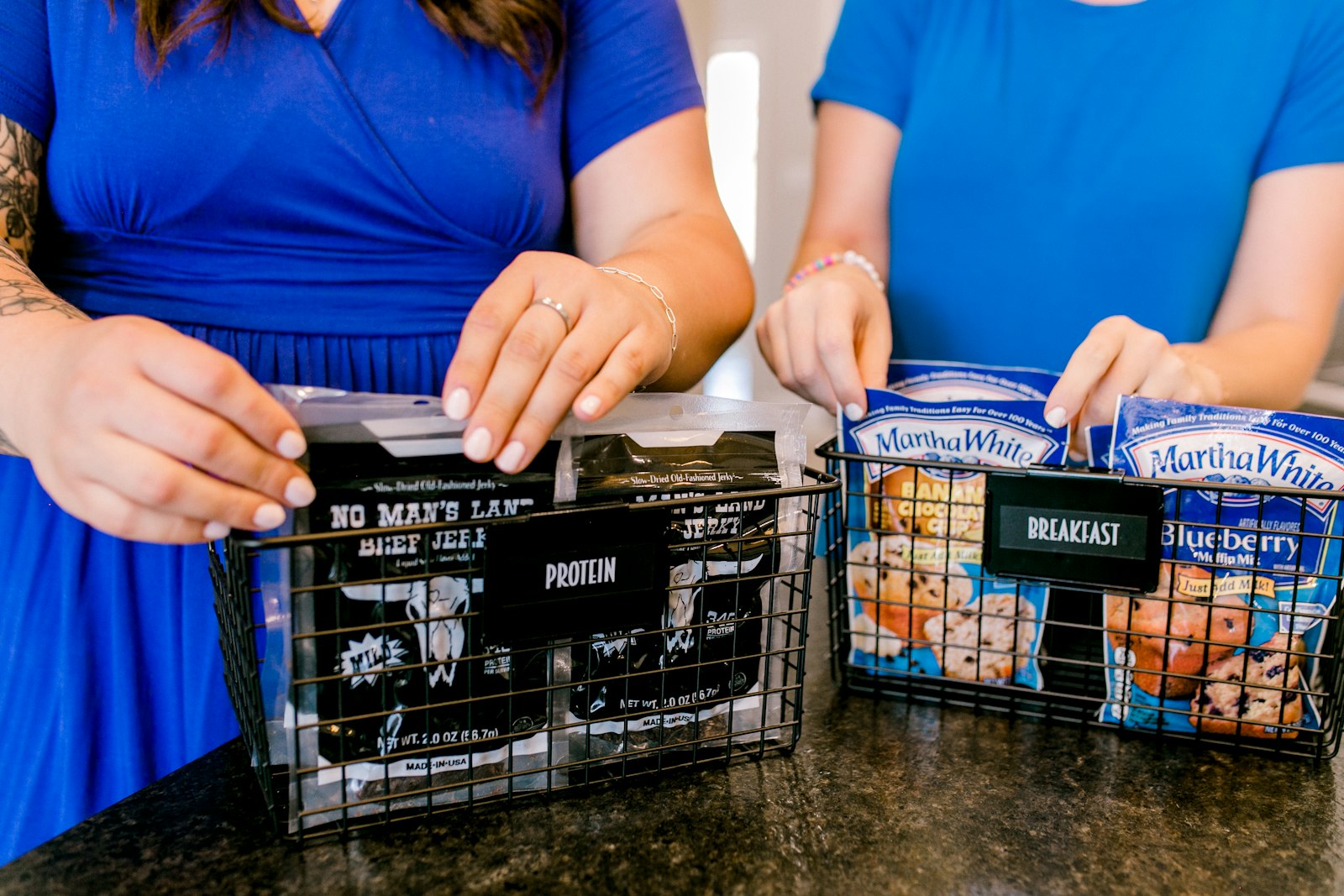
Stackable bins can turn a crowded fridge into an organized one, but only if cold air can still move around them. Set up the right way, bins help food stay cold, make it easy to see what you have and cut down on forgotten leftovers.
Quick answer: Keep bins a couple of inches away from the back wall and vents, leave space between the top of each stack and the shelf above, group similar foods in labeled bins, and don’t pack the fridge so tight that air can’t circulate.
Why airflow in your fridge matters
Your refrigerator cools by moving cold air from vents, usually at the back or top, across the shelves. If bins or containers block those vents, some spots get warm while others get so cold that produce freezes. The U.S. Food and Drug Administration advises not to crowd the refrigerator or freezer so tightly that air can’t circulate, and to keep the fridge at or below 40 degrees F (4 degrees C) (FDA).
Good organization also fights food waste. EPA says one-third of all food in the United States goes uneaten, and that the average family of four spends almost 3,000 dollars a year on food that does not get eaten (EPA). When you can see and reach your food, less of it spoils.
What you need
- Stackable fridge bins, ideally clear, sized to your shelves
- Masking tape or removable labels and a marker
- A fridge thermometer
- A measuring tape, to check shelf depth and height before buying bins
How to organize stackable bins for better airflow
- Empty the fridge, wipe the shelves, and find the air vents. They are often small slots along the back wall or near the top.
- Measure each shelf. Choose bins that leave about two inches of space at the back and some space between the top of a stack and the shelf above.
- Plan zones by food type. For example: one bin for yogurt and cheese, one for snacks, one for leftovers, one for sandwich supplies.
- Stack only bins that are built to stack, and keep stacks short. One or two levels is usually enough. Tall towers block air and are hard to reach.
- Put the bins back with gaps between them so air can move in front of, behind and around each one. Keep the vents clear.
- Label each bin on the front, such as “Snacks” or “Eat first,” so anyone can find things fast and the door stays open for less time.
- Leave a little empty room in each bin. That way new groceries fit without rearranging everything.
- Place a fridge thermometer in the middle shelf and check it after a day. It should read 40 degrees F or below.
Tips
- Keep raw meat in its own bin on the bottom shelf so drips can’t reach other foods.
- Use the crisper drawers for produce instead of bins. They are built to control humidity.
- Make an “Eat first” bin for leftovers and food that will expire soon. Check it before you cook or shop.
- Wash bins every few weeks with warm soapy water to stop spills and odors from building up.
Frequently asked questions
How much space should I leave around fridge vents?
Leave a small gap, about two inches, between bins and the back wall or any vent so cold air can flow out freely. Check your fridge manual, since vent locations differ by model.
Do fridge organizer bins make food last longer?
They can. Bins help you see what you have and group foods that need to be used soon, so less gets forgotten. They only help with freshness if the fridge still has good airflow and stays at 40 degrees F or below.
What temperature should my fridge be?
FDA recommends keeping your refrigerator at or below 40 degrees F (4 degrees C) and your freezer at 0 degrees F (-18 degrees C). An appliance thermometer is the best way to check.
Can an overfilled fridge use more energy?
A packed fridge can have trouble moving cold air, which leads to warm spots. Keeping the vents clear and the door closed helps it run efficiently.
Track your food impact
Wasted food wastes the water, energy and money that went into it. Try our free Food & Diet Simulator to see how your household’s food habits affect your footprint and which changes help most.
Related guides
- How to Use a $6 Fridge Thermometer to Stop Food Spoilage
- How to Switch to Clear Bins So You Stop Forgetting Food
- How to Label Your Fridge with FIFO Stickers to Cut Waste
Sources
- U.S. Food and Drug Administration, Are You Storing Food Safely?
- U.S. EPA, Preventing Wasted Food At Home
Written and reviewed by the Accessible Sustainability Alliance editorial team. Last updated October 5, 2026.