A cheap appliance thermometer is one of the easiest ways to keep food fresh longer. Your fridge’s dial does not tell you the real temperature inside, but a small thermometer does, so you can fix a too-warm fridge before food goes bad.
Quick answer: Place an appliance thermometer on the middle shelf of your fridge, check it after several hours, and adjust the setting until it stays at 40°F or below. Put a second thermometer in the freezer and aim for 0°F.
Why use a fridge thermometer?
The FDA says to keep your refrigerator at 40°F or below and your freezer at 0°F. It recommends using an inexpensive freestanding appliance thermometer, one for the fridge and one for the freezer, and checking them often (FDA). At room temperature, the bacteria that cause foodborne illness can double about every 20 minutes.
Keeping the fridge cold also protects your grocery budget. The USDA estimates that 30 to 40 percent of the U.S. food supply is wasted (USDA). Milk, meat and leftovers that stay properly chilled last longer, so less ends up in the trash.
What you need
- One or two appliance thermometers (dial or digital), often around 5 to 10 dollars each
- A glass of water (optional, for a more steady reading)
- A pen and sticky note to track readings
How to use a fridge thermometer to stop food spoilage
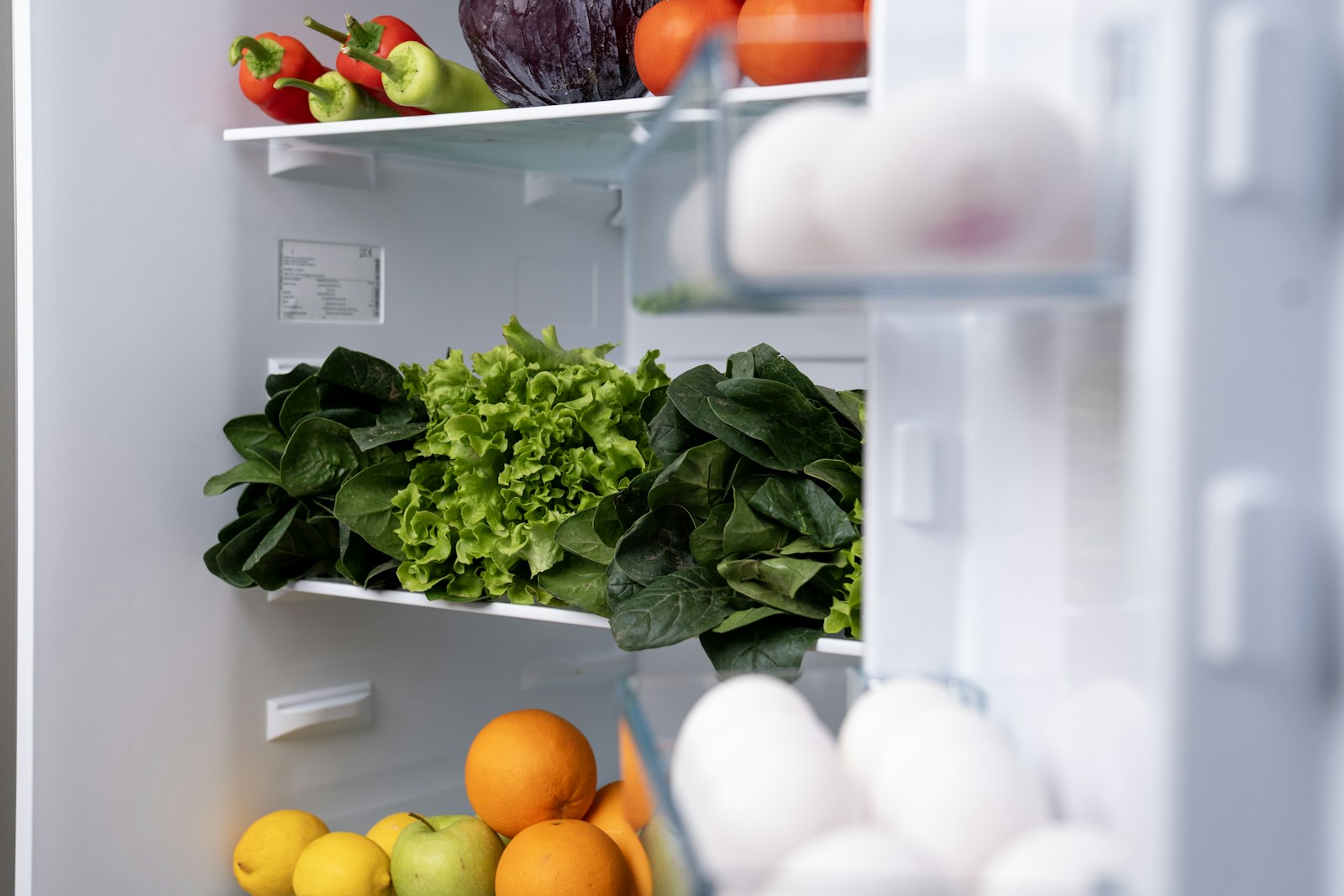
- Place the thermometer in the middle of the middle shelf. Avoid the door, which is the warmest spot because it opens so often.
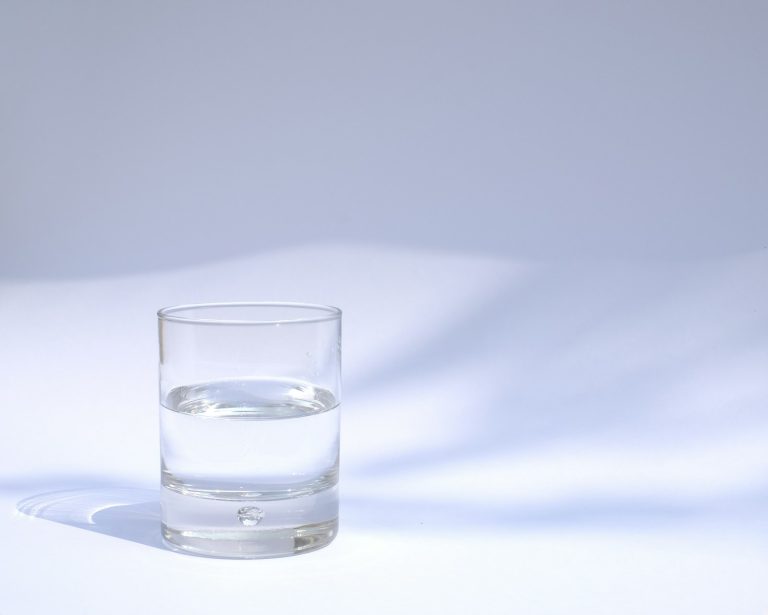
- For a steadier reading, set the thermometer in a glass of water on that shelf. Water changes temperature more slowly than air.
- Wait at least 5 to 8 hours, or check first thing in the morning before anyone opens the door.
- Read the temperature. A good target is between about 35°F and 38°F. That keeps food at 40°F or below without freezing it.
- If it reads above 40°F, turn the fridge control a little colder. Change it only one step at a time.
- Wait several more hours and check again. Repeat until the reading stays in the safe range.
- Put a second thermometer in the freezer and adjust the freezer setting until it reads 0°F.
- Check both thermometers once a week, and after power outages or hot days.
Common mistakes to avoid
- Keeping milk and eggs in the door. Store them on a shelf, and use the door for condiments.
- Overpacking the fridge. Cold air needs room to move, or some spots will stay warm.
- Turning the dial all the way down. Too cold can freeze lettuce, fruit and drinks.
- Putting large pots of hot food straight in. Divide big batches into smaller, shallow containers so they cool faster.
Frequently asked questions
What temperature should my fridge be?
The FDA recommends 40°F or below. Many people aim for about 35°F to 38°F so the fridge stays safe even when the door opens often.
Where is the best place to put a fridge thermometer?
Put it on the middle shelf, toward the center, away from the door and vents. That spot gives the best picture of the temperature your food actually sits in.
What temperature should a freezer be?
Keep your freezer at 0°F. At that temperature, food stays safe to eat, although quality can slowly drop over many months.
Do I need a digital fridge thermometer?
No. A simple dial thermometer made for refrigerators and freezers works well and needs no batteries. Just make sure it is labeled as an appliance or refrigerator thermometer.
See your food impact
Want to know how food waste and your diet add up? Try our free Food & Diet Simulator to see your household’s food footprint and the changes that make the biggest difference.
Related guides
- How to Label Your Fridge with FIFO Stickers to Cut Waste
- How to Organize Stackable Bins in Your Fridge for Better Airflow
- How to Switch to Clear Bins So You Stop Forgetting Food
Sources
- U.S. Food and Drug Administration, Refrigerator Thermometers: Cold Facts about Food Safety
- U.S. Department of Agriculture, Food Loss and Waste FAQs
Written and reviewed by the Accessible Sustainability Alliance editorial team. Last updated October 5, 2026.