
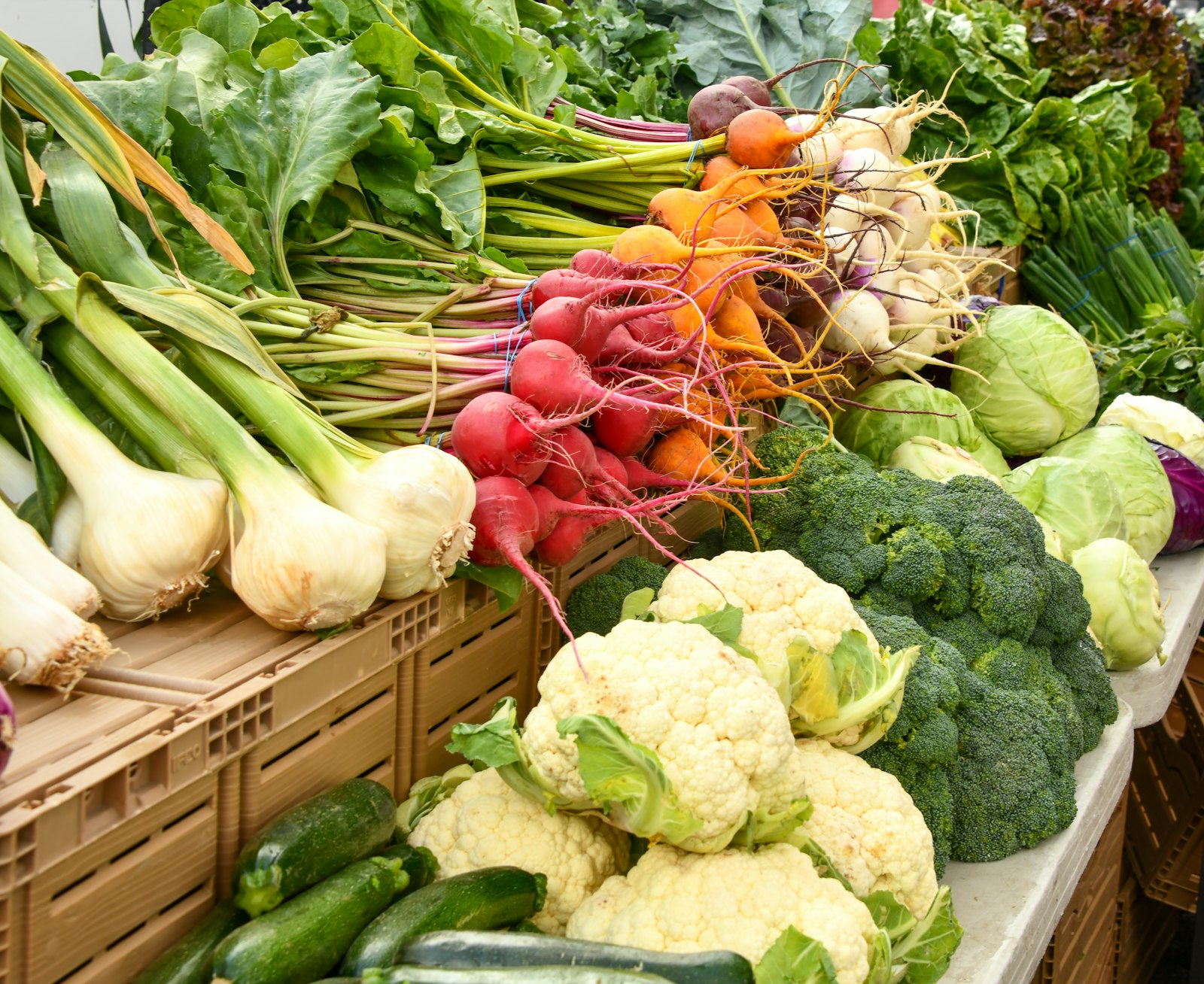
“Ugly” produce is fruit and vegetables that taste fine but look a little odd, like a curvy carrot or a scarred apple. Buying it can lower your grocery bill and keep good food from being wasted.
Quick answer: To save money with ugly produce, look for discounted “imperfect” or “seconds” bins at grocery stores and farmers markets, try an imperfect-produce delivery service, buy only what you can use, and cook odd-shaped items first in soups, sauces and smoothies.
Why buy ugly produce?
A lot of good food never gets eaten. The USDA estimates that 30 to 40 percent of the U.S. food supply is wasted (USDA). ReFED, a nonprofit that tracks food waste, notes that strict cosmetic standards can keep imperfect-looking produce off store shelves, and that fruits and vegetables make up more than a third of total food waste (ReFED).
Shape and small blemishes do not change how a vegetable tastes or how nutritious it is. Once you chop, mash or blend it, nobody can tell. When you choose the odd-looking produce, you help stores and farms sell food that might otherwise be thrown out, and you often pay less.
What you need
- A shopping list based on meals you plan to make this week
- Reusable produce bags
- A few go-to recipes that use lots of produce, like soup, stir-fry, sauce or smoothies
How to save money buying ugly produce
- Ask your grocery store if it has a discount or “imperfect” produce section. Some stores sell bruised or oddly shaped items at lower prices.
- Visit a farmers market near closing time and ask about “seconds.” Farmers often sell blemished fruit for less, especially for canning or cooking.
- Compare an imperfect-produce delivery service, such as Misfits Market (which merged with Imperfect Foods), against your usual store prices. Count delivery fees and minimum orders before you sign up.
- Plan meals around what you buy. Soft tomatoes become sauce, bendy carrots go in soup and spotted bananas go into bread or smoothies.
- Buy only what you will eat soon. A bargain is not a bargain if it spoils in the fridge.
- Cook the most delicate items first, within a day or two.
- Freeze extras. Chop and freeze fruit for smoothies and vegetables for soups or stir-fries.
Tips
- Cut away small bruises or scars and use the rest. Toss produce that is moldy, slimy or smells bad.
- Check unit prices. Imperfect produce is usually cheaper, but not always.
- Save scraps for homemade vegetable broth, then compost what is left.
- Store produce the right way: most fruits and vegetables last longer in the fridge crisper drawer, while bananas, onions and potatoes do better outside it.
Frequently asked questions
Is ugly produce safe to eat?
Yes. Ugly produce is normal food with cosmetic differences like odd shapes, sizes or small scars. Just like any produce, skip anything moldy or rotten, and wash it before eating.
Is ugly produce really cheaper?
It often is, especially in discount bins and farmers market seconds. Delivery services can save money too, but compare prices and fees with your local store first.
Does buying ugly produce actually reduce food waste?
It helps by creating a market for food that might otherwise go unsold. The biggest savings come when you also eat everything you buy, so plan meals and use leftovers.
See your food impact
Want to see how food waste and your diet affect your household’s footprint? Try our free Food & Diet Simulator to see where your food choices make the biggest difference.
Related guides
- How to Make Zero-Waste Vegetable Broth from Scraps
- How to Use a Free App to Turn Leftovers into Meal Plans
- How to Label Your Fridge with FIFO Stickers to Cut Waste
Sources
- U.S. Department of Agriculture, Food Loss and Waste FAQs
- ReFED, Food Waste: The Problem
Written and reviewed by the Accessible Sustainability Alliance editorial team. Last updated October 5, 2026.