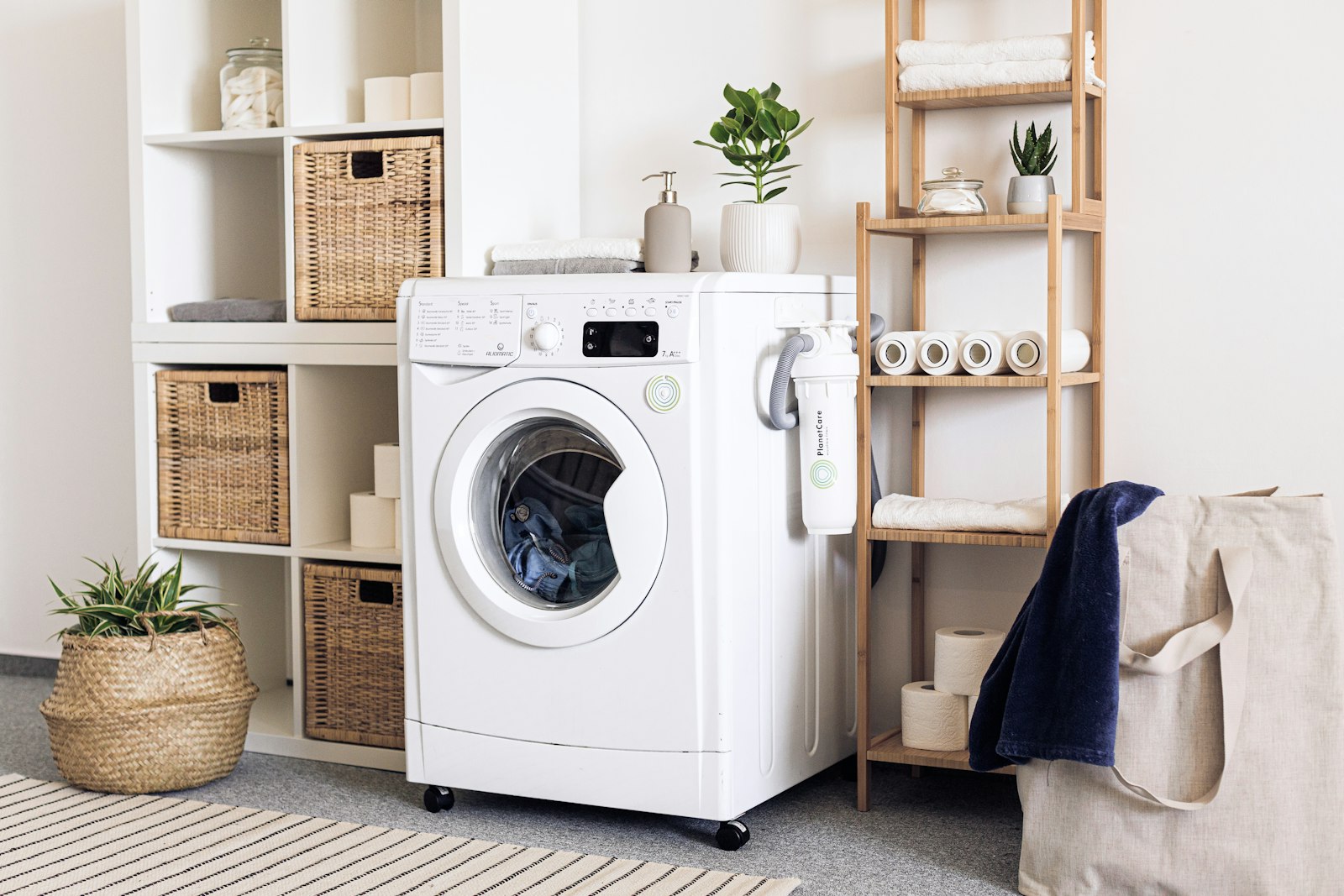
Front-load washers tumble clothes through a small amount of water instead of filling a big tub. That simple difference can cut your water and energy use by a lot. This guide shows what to compare so you pick a machine that saves resources for years.
Quick answer: Choose an ENERGY STAR certified front-load washer sized for your household, with a high spin speed. Certified front-loaders use about half the energy and water of a traditional top-load agitator washer, and their faster spin shortens drying time.
Why a front-load washer saves energy and water
According to ENERGY STAR, certified front-load washers use about 50% less energy and water than a top-load agitator washer, and they are still about 25% more efficient than a top-load impeller model (ENERGY STAR). A full-size ENERGY STAR washer uses about 14 gallons of water per load, compared with about 20 gallons for a standard machine.
Hot water is the hidden cost. ENERGY STAR notes that about 90% of the energy a washer uses goes to heating water, so a machine that uses less water also saves energy. High spin speeds wring out more water too, which means less time in the dryer. Over its lifetime, an ENERGY STAR washer can save about $530 in energy costs.
What you need
- A tape measure for your laundry space and doorways
- A rough count of how many loads your household does each week
- Access to the yellow EnergyGuide label and the ENERGY STAR product finder online
- High-efficiency (HE) detergent
How to choose a front-load washer
- Measure your space. Check width, depth and height, plus the room needed to open the door fully. Measure doorways and stairs on the delivery path.
- Pick the right capacity. A bigger drum lets you wash fewer, fuller loads, but don’t buy more size than you need. Match capacity to your weekly laundry.
- Look for the ENERGY STAR label. Use the ENERGY STAR product finder to compare certified models side by side.
- Compare the EnergyGuide label. The yellow label shows estimated yearly energy use and operating cost. Lower numbers mean lower bills.
- Check the spin speed. A higher maximum spin speed (measured in RPM) removes more water, so clothes dry faster.
- Think about access. Front-loaders sit low. If bending is hard, look for a model that fits on a pedestal or can be stacked.
- Look for rebates. Many utilities and water agencies, including some in California, offer rebates on efficient washers. Check your utility’s website before you buy.
Tips for using your front-loader
- Use HE detergent, and less of it. Too much soap leaves residue and can cause odors.
- Leave the door open after washing so the rubber door seal can dry. Wipe the seal now and then to prevent mold.
- Wash in cold water whenever you can, since heating water is most of a washer’s energy use.
- Run full loads. Washing fewer, fuller loads saves the most water and energy.
Frequently asked questions
Are front-load washers more efficient than top-load washers?
Yes. ENERGY STAR reports certified front-loaders use about 50% less energy and water than top-load agitator washers and about 25% less than top-load impeller models. They also spin clothes drier, which cuts dryer time.
Do front-load washers cost more?
They often cost more up front. Lower water and energy bills, plus any utility rebate, can make up part or all of the difference over the life of the machine, depending on how much laundry you do and your local rates.
Why do front-load washers smell?
Moisture and soap residue can build up in the door seal. Use HE detergent sparingly, leave the door open between loads and run the cleaning cycle about once a month.
Is a high-efficiency top-load washer a good option?
It can be. Many ENERGY STAR top-load impeller washers are much more efficient than old agitator models, but front-loaders are still usually the most efficient choice.
See your home energy impact
Curious how laundry, heating and appliances add up in your home? Try our free Home Energy Simulator to see where your energy goes and which upgrades save the most.
Related guides
- How to Set Up a Clothesline in a Small Yard or Balcony
- How to Clean Your Lint Filter for a More Efficient Dryer
- How to Set Your Water Heater to 120°F Safely
Sources
- ENERGY STAR, Clothes Washers
Written and reviewed by the Accessible Sustainability Alliance editorial team. Last updated October 5, 2026.