
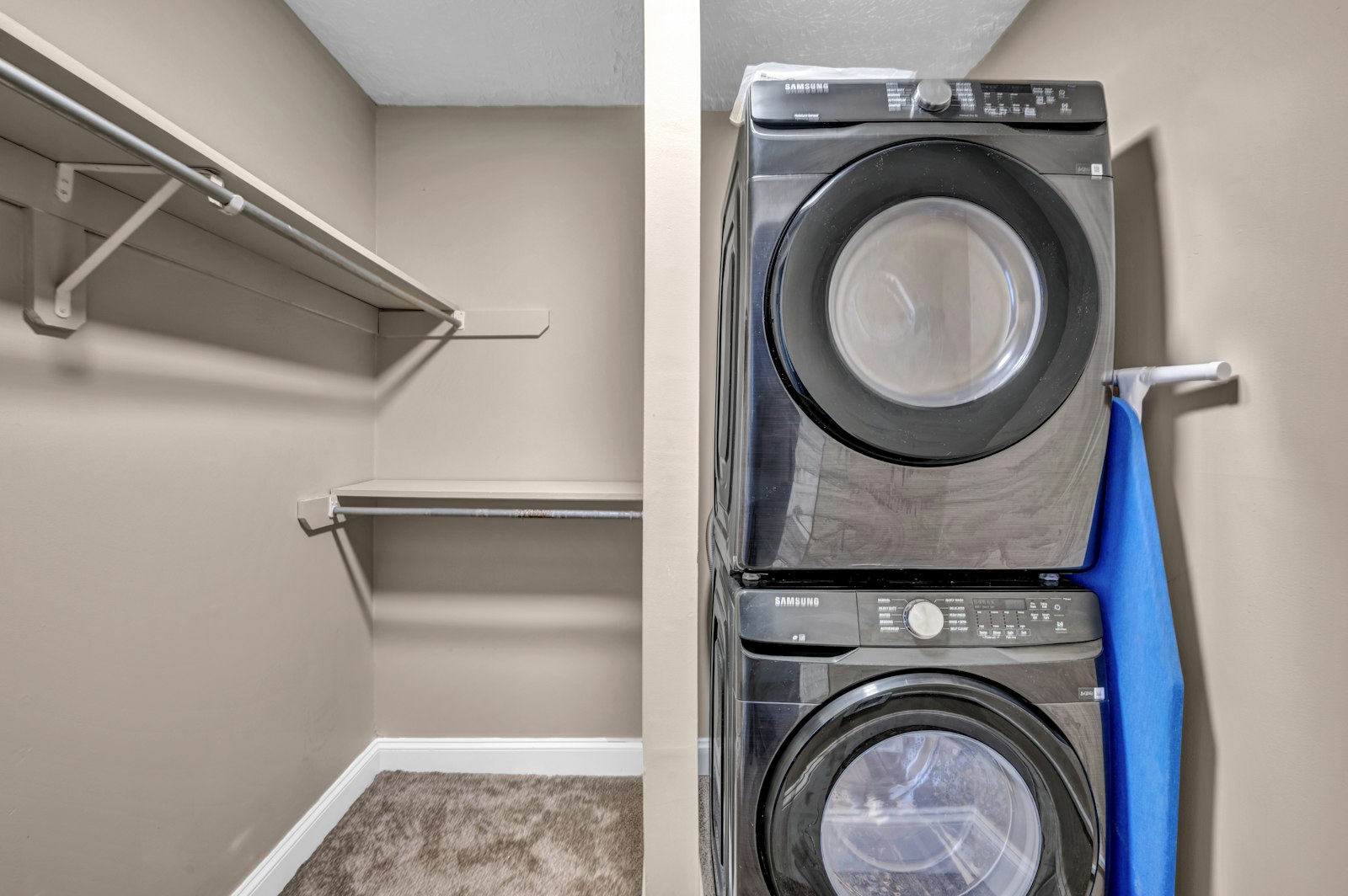
Your dryer’s lint filter is a small mesh screen that catches fibers from your clothes. Cleaning it takes about 15 seconds, and it is one of the easiest ways to make your dryer work faster, use less electricity or gas, and stay safer.
Quick answer: Pull out the lint screen before or after every load, roll the lint off with your fingers, and slide it back in. Once a month, wash the screen with warm soapy water and a soft brush, let it dry fully, and vacuum the slot it sits in.
Why a clean lint filter matters
A clogged screen blocks airflow. When warm, moist air can’t move out of the drum, clothes take longer to dry, so the dryer runs longer and uses more energy. ENERGY STAR advises cleaning the lint filter after every load to improve air circulation and increase the dryer’s efficiency, and calls it an important safety step too (ENERGY STAR).
Safety is the bigger reason. Lint is very flammable. The U.S. Fire Administration reports that failure to clean (31%) was the leading factor in home clothes dryer fires from 2018 to 2020 (USFA).
What you need
- Your hands, for everyday cleaning
- A soft brush or old toothbrush
- Dish soap and warm water
- A vacuum with a narrow crevice tool
- Optional: a long, flexible lint brush made for dryer lint traps
How to clean your dryer lint filter
- Find the lint screen. On most front-loading dryers it slides out from just inside the door. On many top-loading designs it sits in a slot on top of the machine.
- Pull the screen straight out. Roll the lint off with your fingertips or a dry paper towel, starting at one edge. Toss the lint in the trash.
- Slide the screen back in all the way. Never run the dryer without the screen in place.
- Make this a habit for every single load, before or after the cycle.
- Once a month, test the screen: run a little water over it. If the water beads up and sits on top instead of passing through, a film has built up.
- If it has a film, scrub both sides gently with warm water, a drop of dish soap and a soft brush. ENERGY STAR notes that dryer sheets can leave this kind of film. Rinse and let the screen dry completely before putting it back.
- While the screen is out, vacuum inside the slot with a crevice tool or use a long lint brush to pull out hidden lint.
- A few times a year, check the vent outside. With the dryer running, the vent flap should open and you should feel strong airflow.
Tips for a safer, faster dryer
- If loads that used to dry in one cycle now take two, check the vent hose and outside vent for a clog.
- Clean behind the dryer, where lint can collect on the floor and around the hose.
- Keep the vent hose short and straight. A crushed or kinked hose slows airflow.
- Don’t leave the dryer running when nobody is home or when you go to sleep.
Frequently asked questions
How often should I clean my dryer lint filter?
Clean it every time you use the dryer. The U.S. Fire Administration recommends cleaning it before and after each cycle, and ENERGY STAR recommends after every load.
Can I wash my dryer lint screen with water?
Yes. Use warm water, a small amount of dish soap and a soft brush. Let it dry completely before you put it back so you don’t trap moisture in the dryer.
Why are my clothes still damp after a full cycle?
A blocked lint screen, a clogged vent hose or a blocked outside vent are common causes. Clean the screen first. If drying is still slow, have the vent checked and cleaned.
Does a clean lint filter really save energy?
Yes. Better airflow helps clothes dry faster, so the dryer runs for less time. Drying loads in a row while the drum is still warm and using the moisture sensor setting can help even more.
See your home’s energy use
Laundry is one of many places energy hides in your home. Try our free Home Energy Simulator to see how your dryer, heating, cooling and appliances add up, and which changes cut your bill the most.
Related guides
- How to Set Up a Clothesline in a Small Yard or Balcony
- How to Choose a Front-Load Washer Over Top-Load for Efficiency
- How to Use a Free Weather App to Time Your Energy Use
Sources
- ENERGY STAR, Clothes Dryers
- U.S. Fire Administration, Appliance and Electrical Fire Safety
- U.S. Fire Administration, Clothes Dryer Fire Safety (flyer)
Written and reviewed by the Accessible Sustainability Alliance editorial team. Last updated October 5, 2026.