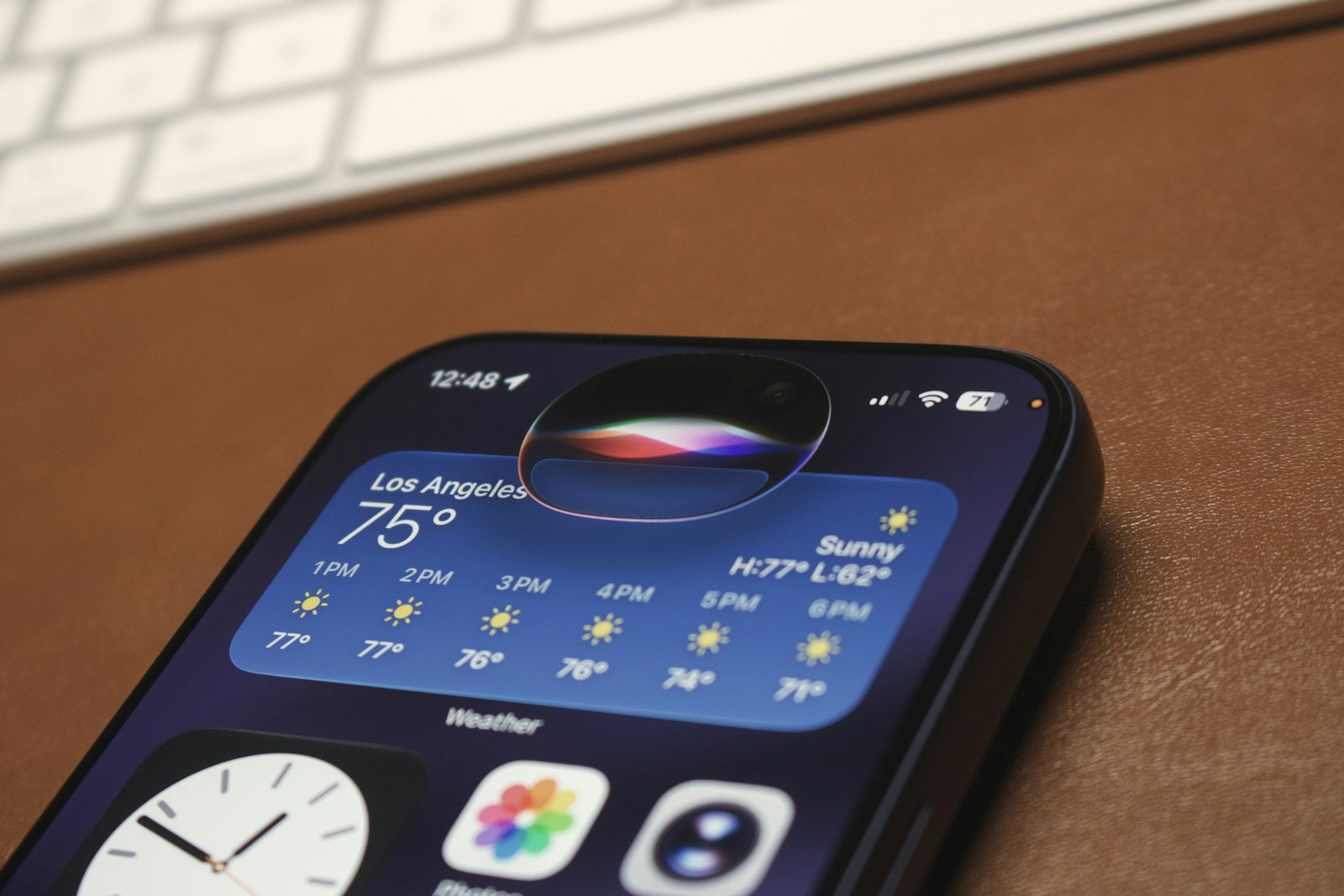
The free weather app on your phone can help lower your electric bill. By checking the hourly forecast, you can plan when to run the air conditioning, heat and big appliances so you use less energy when it costs the most. No smart thermostat or special gear is required.
Quick answer: Check your weather app’s hourly forecast each evening. On hot or cold days, pre-cool or pre-heat your home before peak hours (often 4 to 9 p.m.), then ease off the thermostat and run the dishwasher, washer and dryer after peak hours or earlier in the day.
Why timing your energy use matters
Weather drives most home energy use. The U.S. Energy Information Administration reports that 52% of a household’s yearly energy use in 2020 went to space heating and air conditioning (EIA). When a heat wave or cold snap hits, those systems work much harder.
Many utilities also charge more at busy times. Southern California Edison’s common time-of-use plans charge the highest rates from 4 to 9 p.m., with summer weekdays being the priciest (SCE). These peak windows exist because demand on the grid is highest then, and utilities often rely on extra power plants to meet it. Shifting use to other hours can save money and ease strain on the grid. Rules differ by utility, so check your own plan.
What you need
- Any free weather app with an hourly forecast (the one built into your phone works)
- Your electric bill or utility account, to see your rate plan and peak hours
- A thermostat you can adjust by hand or set on a schedule
How to time your energy use with a weather app
- Learn your peak hours. Look at your bill or your utility’s website. Many California plans use 4 to 9 p.m. as the on-peak window.
- Check the hourly forecast each evening. Look for the hottest or coldest hours tomorrow and whether they overlap with peak time.
- Pre-cool on hot days. Run the air conditioning earlier in the day, before peak. Close blinds on sunny windows. Then raise the thermostat a few degrees during peak hours and let the house coast.
- Pre-heat on cold days. Warm the house before peak, then lower the thermostat slightly during peak and add a sweater.
- Move big chores off-peak. Run the dishwasher, washing machine and dryer in the morning, midday or after 9 p.m.
- Use cool nights. If the forecast shows a cool evening, open windows after sunset instead of running the air conditioning.
- Turn on weather alerts. Many apps and utilities send heat or Flex Alert notices so you know when to cut back.
Tips
- Mild days are your friend. On comfortable days, skip heating and cooling and let open windows do the work.
- Don’t overcorrect. Pre-cooling helps most when you then hold back during peak. Running the air conditioning hard all day defeats the purpose.
- Stay safe in extreme heat. Saving energy never matters more than health. Keep vulnerable family members cool during heat waves.
- Charge devices and EVs off-peak. If you have an electric car, schedule charging outside peak hours.
Frequently asked questions
What are peak hours for electricity in California?
For many California households on time-of-use plans, including SCE customers, the on-peak period is 4 to 9 p.m. Exact hours and prices depend on your utility and plan, so check your bill or utility website.
Does pre-cooling a house save money?
It can if you are on a time-of-use plan. Cooling your home while power is cheaper and then raising the thermostat during peak shifts your use to lower-cost hours. Savings depend on your home’s insulation and your rate plan.
Do I need a smart thermostat to do this?
No. A weather app and a regular thermostat you adjust by hand are enough. A programmable thermostat simply makes the schedule automatic.
Which weather app is best for saving energy?
Any app with a reliable hourly forecast works, including the one already on your phone. The key is checking the forecast and planning around the hottest and coldest hours.
See your home energy impact
Want to see how heating, cooling and appliance timing affect your home? Try our free Home Energy Simulator to explore your energy use and find the changes that save the most.
Related guides
- How to Install a $25 Programmable Thermostat (and Skip the $250 Smart One)
- How to Set Up an Offline Smart Thermostat You Actually Own
- How to Pair a Home Battery Bank with Your Solar Panels
Sources
- U.S. Energy Information Administration, Use of energy explained: Energy use in homes
- Southern California Edison, Time-of-Use Residential Rate Plans
Written and reviewed by the Accessible Sustainability Alliance editorial team. Last updated October 5, 2026.