
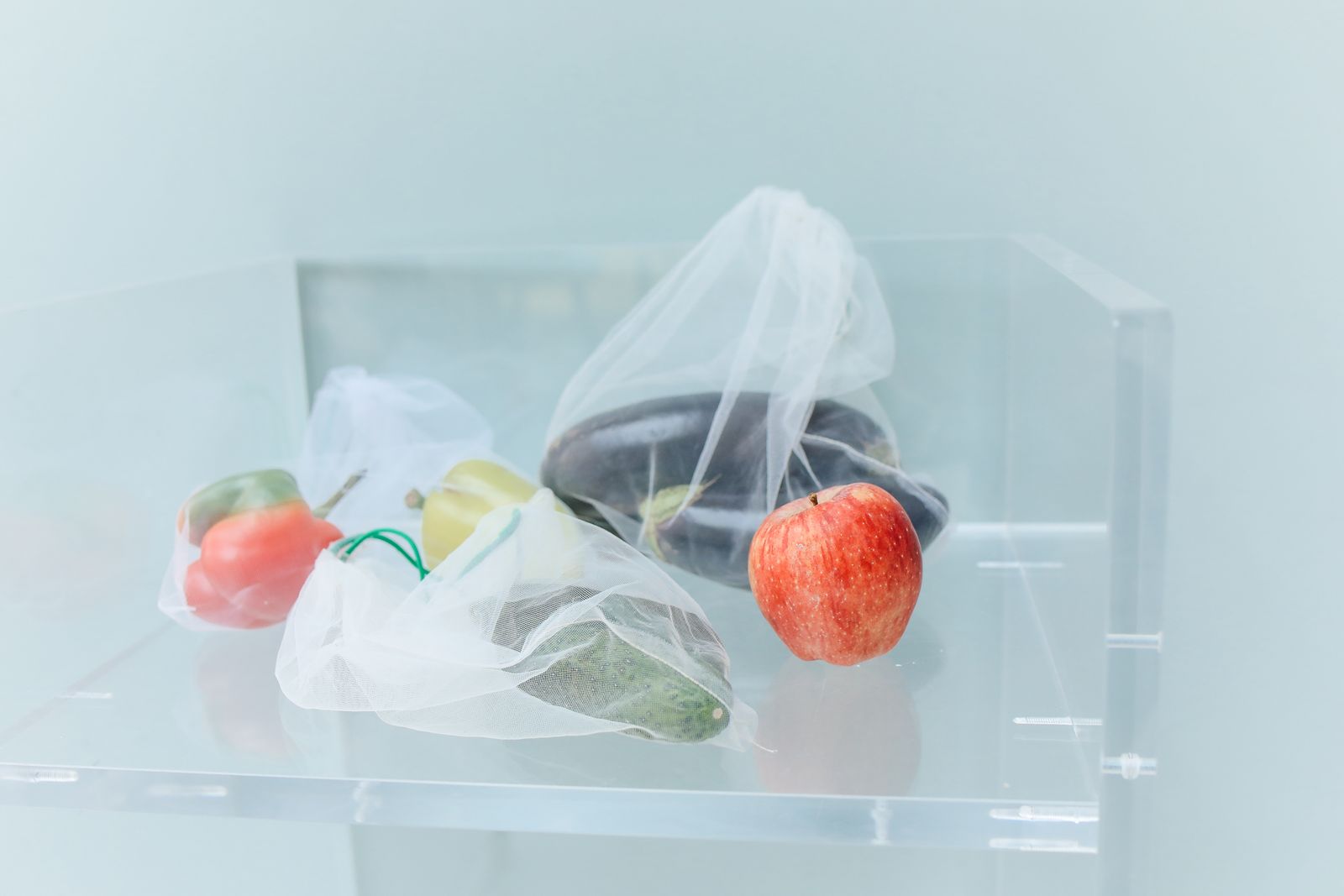
Reusable produce bags are light mesh or cotton bags that replace the thin plastic bags on rolls in the produce aisle. They hold fruits and vegetables just as well, they let cashiers see what’s inside and they can be used for years. Switching takes a few small habits, not a big budget.
Quick answer: Get a set of three to six washable mesh or cotton produce bags with drawstrings, store them inside your grocery totes so they’re always with you, put loose produce in them at the store, and wash them every week or two.
Why switch to reusable produce bags?
Plastic bags and wraps add up fast. The U.S. EPA reports that the containers and packaging category, which includes bags, sacks and wraps, made up more than 14.5 million tons of plastic waste in 2018, and only about 8.7% of all plastics were recycled that year (EPA).
California is moving away from these bags. Under SB 1046, since January 1, 2025, stores in California can only provide pre-checkout bags (the ones for produce, bulk foods and meat) that are recycled paper or certified compostable. Since January 1, 2026, checkout bags must be recycled paper bags that cost at least 10 cents each (CalRecycle). Bringing your own bags skips all of that.
What you need
- Three to six reusable produce bags, mesh or cotton, ideally with drawstrings
- Your regular reusable grocery totes
- A small pouch or a spot in your car to store them
How to switch to reusable produce bags
- Pick the right bags. Light, see-through mesh bags work well for apples, onions, citrus and potatoes. Tighter cotton or muslin bags are better for small items like green beans, mushrooms or bulk grains.
- Buy a mix of sizes. A set with small, medium and large bags covers most shopping trips. Drawstrings keep round fruit from rolling out.
- Store them with your totes. Tuck the produce bags inside your grocery bags, then keep the totes by the door or in the car. If the bags travel together, you won’t forget them.
- Bag only what needs a bag. Bananas, melons, pineapples and avocados don’t need any bag at all. Save your bags for loose, small items.
- Help the checkout go fast. At the register, set the bags on the belt with the produce visible. See-through bags let the cashier read stickers or weigh items without opening them. Bag weight is usually tiny, but you can ask the store to subtract it.
- Unpack and store produce. At home, leafy greens and herbs can stay in a damp cotton bag in the fridge to keep crisp. Move other produce to its usual spot.
- Wash them often. Toss bags in the washing machine every week or two, or right away if something leaks. Hang them to dry.
Tips that make it stick
- Don’t worry about forgetting. Everyone forgets at first. Just put loose items straight into your cart and bag them at home.
- Hang a reminder. Put a note on the door or add “bags” to the top of your shopping list.
- Reuse what you have. Clean bread bags, old pillowcases or a cloth napkin can work as produce bags in a pinch.
- Keep raw meat separate. Use a container or separate bag for raw meat so juices don’t touch produce bags.
Frequently asked questions
Are mesh produce bags better than plastic?
A reusable bag takes more material to make than one thin plastic bag, so it does the most good when you use it many times. Used for months or years, one mesh bag can replace a large number of single-use bags.
Can I use reusable produce bags at any store?
Most grocery stores and farmers markets are happy for you to use your own produce bags. If an item is sold by weight, the bag weighs very little, and many stores can subtract it at the scale.
How do I clean reusable produce bags?
Machine wash cotton and mesh bags with your regular laundry, or hand wash them in warm soapy water. Let them dry fully before storing so they don’t get musty.
Does California still allow plastic produce bags?
Since January 1, 2025, California stores may only provide pre-checkout bags made of recycled paper or certified compostable material under SB 1046. Bringing your own bag is the simplest choice.
See your waste impact
Want to see how bags, packaging and other trash add up in your home? Try our free Household Waste Simulator to measure your family’s weekly waste and find the swaps that matter most.
Related guides
- How to Pack a Reusable Straw and Utensil Kit for Your Bag
- How to Replace Ziploc Bags with Reusable Silicone Bags
- How to Save Money by Buying “Ugly” Produce
Sources
- CalRecycle, Bag Requirements at Grocery and Retail Stores
- U.S. EPA, Plastics: Material-Specific Data
Written and reviewed by the Accessible Sustainability Alliance editorial team. Last updated October 5, 2026.