A reusable straw and utensil kit is a small zip pouch or roll with a fork, spoon, straw and napkin you keep in your backpack, purse or car. With it, you can say “no utensils, please” at takeout counters and still eat comfortably. You can build one in a few minutes, often from things already in your kitchen.
Quick answer: Put a fork, spoon (or a spork), a reusable straw with a cleaning brush, and a cloth napkin into a washable, leak-resistant pouch. Wipe items after use, store them back in the pouch, and wash everything at home that night.
Why carry your own utensils
Plastic forks, spoons and straws are used for minutes and thrown away. They are small, light and often too messy to recycle, so they usually end up in the trash. The U.S. EPA reports that plastics made up 35.7 million tons, or 12.2% of municipal solid waste, in 2018, and only about 8.7% of plastics were recycled. Landfills received 27 million tons of plastic that year (EPA).
California has made skipping them easier. Under state law AB 1276, which took effect January 1, 2022, restaurants and food sellers may provide single-use utensils, straws and condiment packets only when you ask for them (California Department of Public Health fact sheet). Carrying your own kit means you never need to ask.
What you need
- A fork and spoon, or a spork; metal from your kitchen, bamboo or sturdy reusable plastic all work
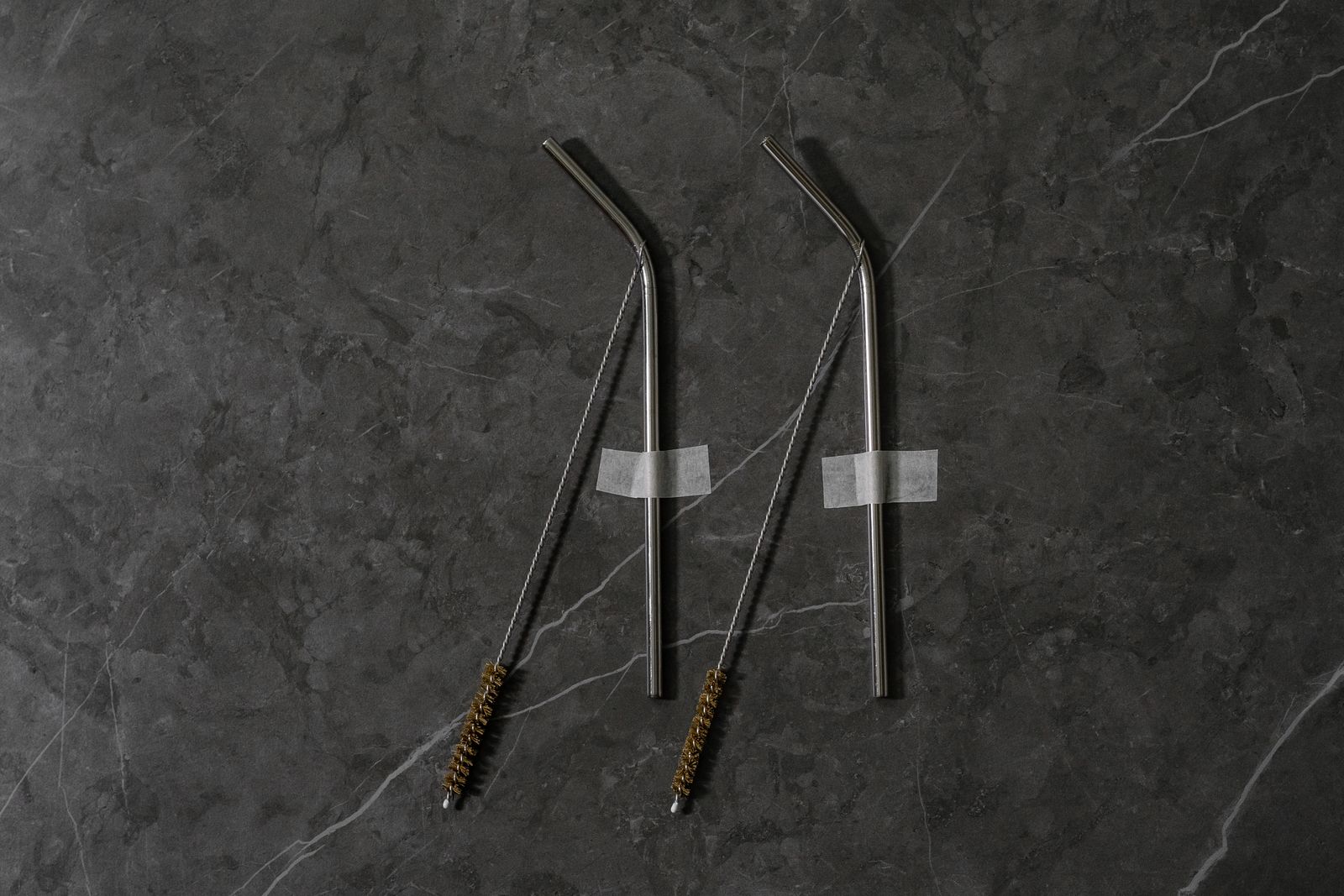
- A reusable straw (stainless steel, glass, silicone or bamboo) and a thin straw brush
- Optional: a small knife with a rounded tip, or chopsticks
- A cloth napkin or small bandana
- A washable case: a zip pouch, fabric roll or small container that won’t leak
How to pack a reusable straw and utensil kit
- Choose your utensils. Start with what you have. A spare fork and spoon from your kitchen drawer work fine. If weight matters, pick bamboo or a lightweight spork.
- Pick a straw you’ll actually use. Stainless steel is tough, glass lets you see if it is clean, and silicone is soft and safe for kids. Some fold up to fit small cases.
- Choose a leak-resistant case. A nylon, silicone or waxed-cotton pouch protects your bag from drips. A fabric roll with pockets keeps items from rattling.
- Add the cleaning brush and napkin. Tuck the straw brush inside or next to the straw. The napkin doubles as a placemat and a wipe-down cloth.
- Pack it so the clean side stays clean. Put utensils in with eating ends pointing the same way, and keep the napkin between them and the zipper.
- Keep it where you’ll grab it. Store the kit in your everyday bag, backpack or car glove box so it goes wherever you go.
- Clean after each use. On the go, wipe utensils with the napkin and rinse the straw with water if you can. At home, wash everything with hot soapy water or in the dishwasher, if the materials allow, and dry before repacking.
Tips
- Rinse smoothie straws right away. Thick drinks dry hard inside straws and are tough to scrub out later.
- Wash the pouch and napkin every week or two so they stay fresh.
- When ordering takeout or delivery, choose the “no utensils” option in the app.
- Clear out the extra plastic utensils and sauce packets you already have at home by using them up, then stop collecting more.
Frequently asked questions
What should be in a reusable utensil kit?
A fork, a spoon (or a spork), a reusable straw with a cleaning brush, a cloth napkin and a washable case. Add a small knife or chopsticks if you often eat foods that need them.
Are metal straws safe?
Metal straws are durable and easy to clean with a brush. Because they are hard and can get hot or cold, silicone straws may be a better choice for young kids or for use while walking or riding in a car.
How do you clean a reusable straw on the go?
Rinse it with water right after use and push the brush through if you have one. Then wash it with hot, soapy water at home and let it dry completely.
See your household’s waste impact
Every plastic fork and straw you skip is one less item in the trash. Try our free Household Waste Simulator to see how much your household throws away each week and which reusable swaps help most.
Related guides
- How to Replace Plastic Wrap with Insulated Lunch Bags
- How to Replace Ziploc Bags with Reusable Silicone Bags
- How to Switch to Reusable Produce Bags at the Grocery Store
Sources
- U.S. EPA, Plastics: Material-Specific Data
- California Department of Public Health (hosted by City of Morgan Hill), Assembly Bill 1276 Fact Sheet
Written and reviewed by the Accessible Sustainability Alliance editorial team. Last updated October 5, 2026.