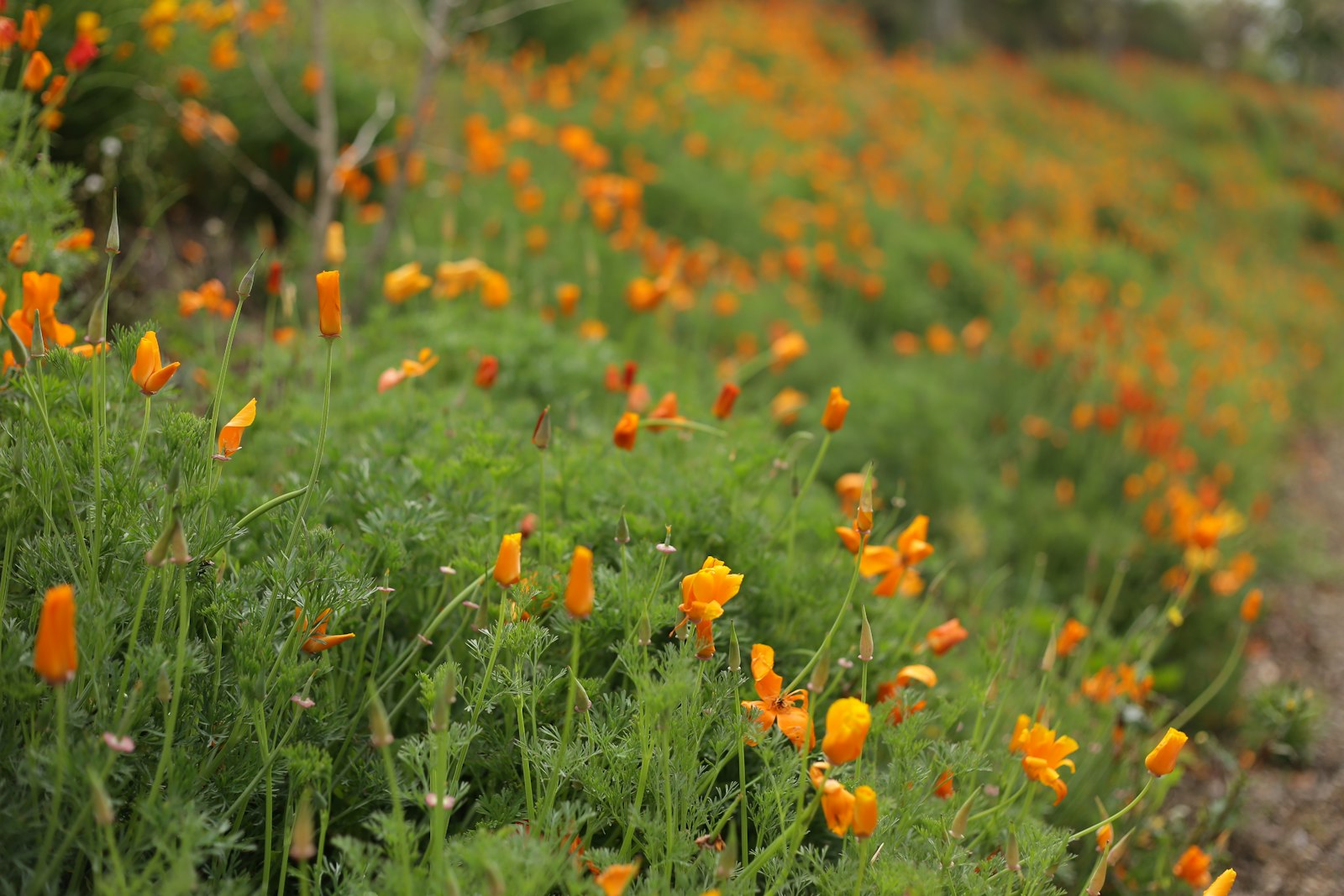
Native plants grow naturally in your region, so they are already used to your local rain, soil and weather. Once they settle in, many need little water beyond normal rainfall. A native garden can cut your outdoor water use, save time and invite bees, butterflies and birds into your yard.
Quick answer: Choose plants native to your region, group them by how much water they need, cover the soil with 3 to 4 inches of mulch, and water deeply but less often while they get established. After the first year or two, many native plants need little extra water.
Why native plants save water
Outdoor watering is one of the biggest ways families use water. EPA WaterSense reports that residential outdoor water use in the U.S. adds up to nearly 8 billion gallons a day, mostly for landscape irrigation. The average household uses more water outdoors than for showering and washing clothes combined.
Native plants can change that. WaterSense explains that once established, native plants require little water beyond normal rainfall, and because they are adapted to local soils, they rarely need fertilizer. In Southern California, where summers are long and dry, many native plants are naturally drought tolerant.
What you need
- A list of native plants for your area (from a native plant society, your local water agency or a university extension office)
- Native plants in small pots, which often establish faster than big ones
- Mulch such as wood chips or shredded bark
- A shovel, gloves and a hose or drip irrigation
- A simple sketch of your yard showing sun and shade
How to landscape with native plants
- Find your local natives. Look up plants that grow naturally in your region. WaterSense links to state plant lists, and California gardeners can use the California Native Plant Society’s Calscape tool. Local nurseries that specialize in natives can help too.
- Map your yard. Note which spots get full sun, part shade and full shade, and where water collects or drains fast.
- Group plants by water needs. Plant thirsty plants together and dry-loving plants together. WaterSense calls these groups “hydrozones.” They help you avoid overwatering some plants while underwatering others.
- Shrink the lawn. Keep grass only where you use it, like a play area. Replace the rest with native shrubs, flowers and groundcovers.
- Plant in the cool season. In mild-winter places like California, fall is often the best time, since winter rain helps roots grow.
- Add mulch. Spread 3 to 4 inches of mulch over the soil, keeping it a few inches away from plant stems. Mulch holds in moisture and blocks weeds.
- Water deeply, then less often. Water new plants regularly while they establish. Over time, water less often but more deeply so roots grow down. Many established natives need little or no summer water.
Common mistakes to avoid
- Overwatering. Too much water can kill drought-tolerant natives. Check that the soil is dry a few inches down before watering.
- Buying by looks alone. A pretty plant at a big store may need much more water than your climate provides. Check the label or ask.
- Skipping the first-year care. Even tough natives need regular water while their roots grow.
- Using lots of fertilizer. Native plants are used to local soil and usually don’t need it.
Frequently asked questions
Do native plants really need less water?
Once established, many do. EPA WaterSense says native plants need little water beyond normal rainfall because they are adapted to the local climate. They still need regular water during their first year or two.
What is hydrozoning?
Hydrozoning means grouping plants with similar water needs in the same area. That way, each zone can be watered just the right amount, which saves water and keeps plants healthy.
When is the best time to plant native plants?
In many mild climates, including much of California, fall is the best time. Cooler weather and winter rains help roots grow before summer heat arrives.
How do I find native plants for my area?
Check your state’s native plant society, a university extension office, your local water agency or a nursery that specializes in natives. WaterSense also links to plant lists for each state.
See your water impact
Want to see how much water your yard uses compared to the rest of your home? Try our free Household Water Simulator to see how switching to native plants could change your family’s water use.
Related guides
- Embrace Native Plants and Save Water: A Guide to Drought-Resilient Landscaping
- How to Switch from Sprinklers to Soaker Hoses for Your Garden
- How to Set a Sprinkler Timer Once and Never Touch It Again
Sources
- U.S. EPA WaterSense, Outdoor Water Use
- U.S. EPA WaterSense, Water-Smart Landscaping Tips
- U.S. EPA WaterSense, What to Plant
Written and reviewed by the Accessible Sustainability Alliance editorial team. Last updated October 5, 2026.