Most sprinkler timers get set once by an installer and then forgotten, often watering too much in winter and at the wrong time of day. With about 30 minutes and the controller’s manual, you can set it up correctly, then let features like seasonal adjust or a smart controller handle the changes for you.
Quick answer: Set the controller’s date and time, choose watering days that follow your local rules, start early in the morning, set short run times for each zone, and turn on seasonal adjust or add a rain sensor. Better yet, a WaterSense labeled smart controller adjusts the schedule to the weather by itself.
Why getting your sprinkler timer right matters
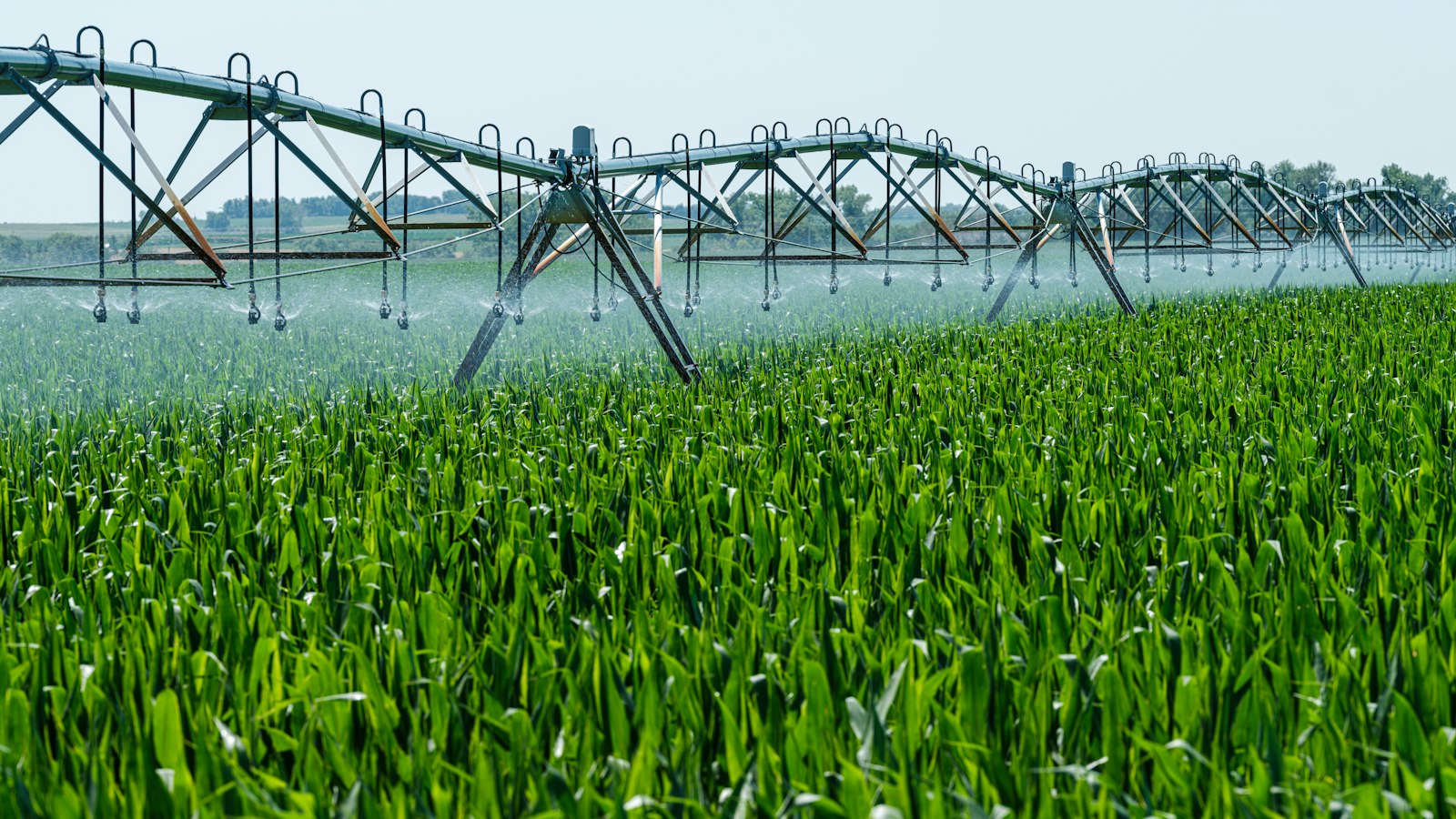
Lawns and gardens use a lot of water. The U.S. EPA says residential outdoor water use across the country adds up to nearly 8 billion gallons a day, mainly for landscape irrigation (EPA WaterSense). Much of that is overwatering from timers that never change.
Upgrading helps too. The EPA says replacing a standard clock-based controller with a WaterSense labeled irrigation controller can save an average home up to 15,000 gallons of water a year (EPA WaterSense). In California, where droughts come often and many cities limit outdoor watering days and hours, a well-set timer helps you follow the rules without thinking about it.
What you need
- Access to your irrigation controller (often in the garage, on an outside wall or in a utility area)
- The controller’s manual (search the brand and model number online if you lost it)
- A pen and paper to map which zone waters which area
- A few straight-sided cans, like empty tuna cans, to measure how much water each zone puts out
- Your water agency’s current watering rules
- Optional: a rain sensor or a WaterSense labeled smart controller
How to set a sprinkler timer
- Set the date and time. Turn the dial or use the menu to set the current date and time, including a.m. or p.m. If the controller has a backup battery, replace it so a power outage does not erase your settings.
- Map your zones. Run each zone for a minute and write down what it waters: front lawn, back shrubs, drip in garden beds. Fix any broken or tilted heads you see.
- Pick your watering days. Choose the days your local water agency allows. Spreading watering days apart helps roots grow deeper and stronger.
- Set an early start time. Start watering before sunrise. The EPA advises against watering in the middle of the day, when hot sun evaporates much of the water before it reaches plants (EPA WaterSense).
- Set run times for each zone. Place cans around a lawn zone, run it for 15 minutes, and measure the water depth. Use that to set a run time that gives your plants what they need. Drip zones usually need longer run times than spray zones, and shady areas need less than sunny ones.
- Use cycle and soak. If water runs onto the sidewalk, split each run time into two or three shorter cycles with a break between them. The EPA notes this lets water soak into the soil instead of running off.
- Turn on seasonal adjust. Most controllers have a seasonal adjust or water budget setting. Lower the percentage in cool months and raise it in summer, instead of reprogramming every zone.
- Automate the rest. Add a rain sensor so the system skips watering after storms, or upgrade to a WaterSense labeled smart controller that changes the schedule based on local weather or soil moisture.
Common mistakes to avoid
- Watering every day for a few minutes. Short daily watering keeps roots shallow. Fewer, deeper waterings are better for most lawns and shrubs.
- Using the same run time for every zone. Lawns, shrubs, drip lines and shady areas all need different amounts.
- Forgetting winter. In Southern California, many landscapes need much less water in the cooler, rainy months.
- Ignoring leaks. A broken head can waste a lot of water. Walk your yard while each zone runs every month or two.
Frequently asked questions
What time should sprinklers run?
Early morning, before sunrise, is usually best. Less water is lost to evaporation and wind, and leaves dry during the day. Check your city’s rules, since many California cities limit watering hours.
How long should I run my sprinklers?
It depends on your sprinkler type, soil and plants. Do a simple can test to see how much water each zone puts out, then adjust. If water runs off, use shorter cycles with breaks between them.
Are smart sprinkler controllers worth it?
For many homes, yes. The EPA says a WaterSense labeled controller can save an average home up to 15,000 gallons a year compared with a standard clock timer. Some water agencies offer rebates, so check before you buy.
See your household water use
Want to see how your sprinkler schedule compares to the rest of your water use? Try our free Household Water Simulator to estimate your indoor and outdoor water footprint and find your biggest savings.
Related guides
- How to Switch from Sprinklers to Soaker Hoses for Your Garden
- How to Set Up a Rain Barrel for Free Garden Watering
- Embrace Native Plants and Save Water: A Guide to Drought-Resilient Landscaping
Sources
- U.S. EPA WaterSense, WaterSense Labeled Controllers
- U.S. EPA WaterSense, Outdoors
- U.S. EPA WaterSense, Watering Tips
Written and reviewed by the Accessible Sustainability Alliance editorial team. Last updated October 5, 2026.