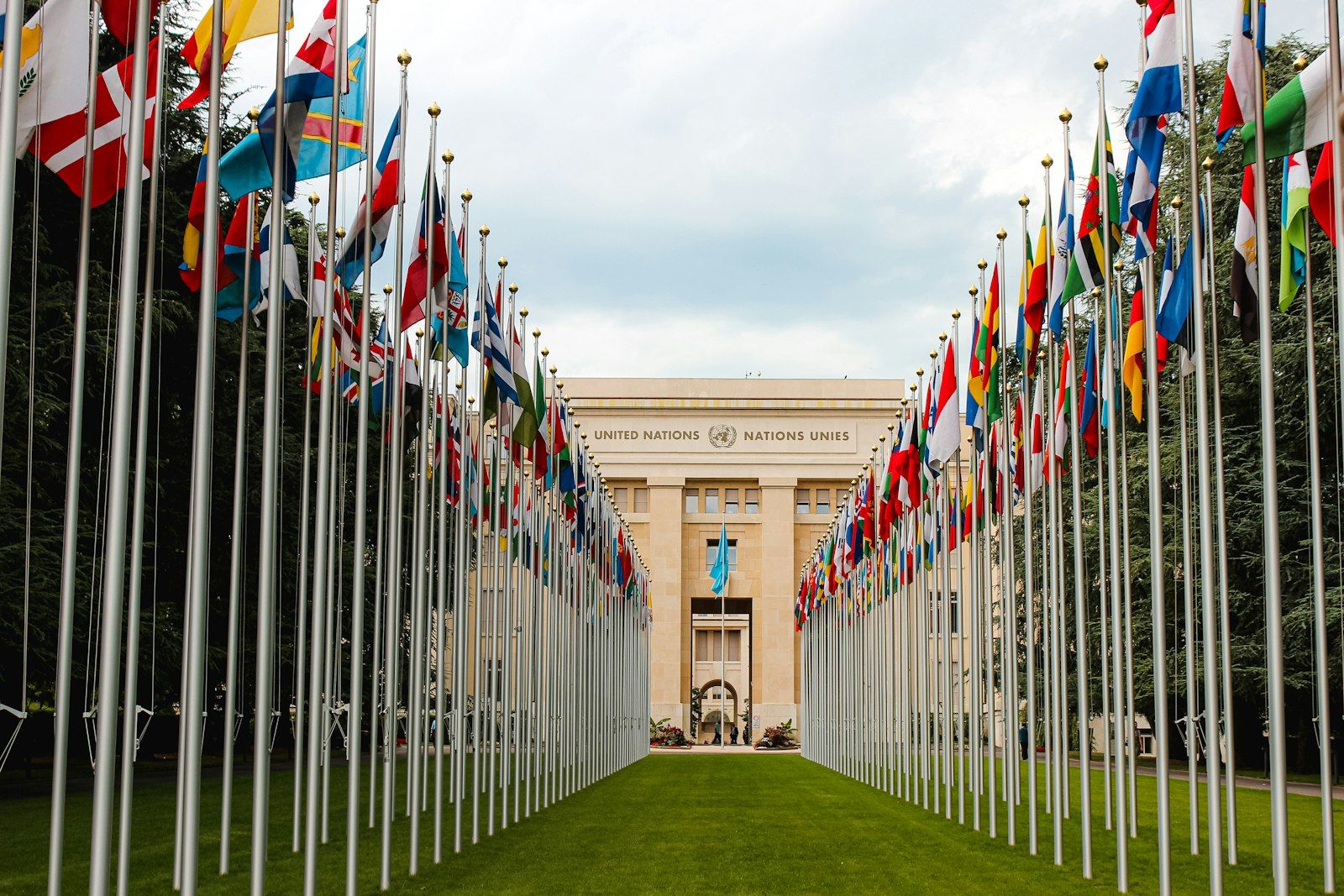
COP31 is the 2026 United Nations climate change conference, where nearly every country meets to work out how the world will slow global warming. It runs November 9–20, 2026, in Antalya, Türkiye. This guide explains what a COP is, who is in charge this year, what to watch and how you can follow along.
Quick answer: COP31 is the UN’s yearly climate summit, held in Antalya, Türkiye, from November 9 to 20, 2026, with Türkiye hosting and Australia leading the negotiations.
What is a COP?
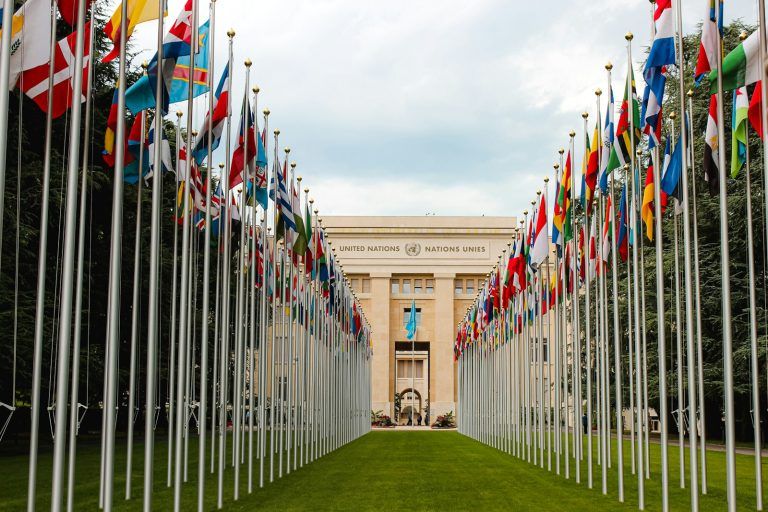
COP stands for Conference of the Parties. The “parties” are the countries that signed the United Nations Framework Convention on Climate Change, or UNFCCC, a treaty from 1992. They meet once a year to check progress and agree on next steps. COP31 is the 31st meeting.
A COP is part negotiation and part global showcase. Government teams spend two weeks bargaining over the wording of agreements. Meanwhile, scientists, businesses, cities, youth groups and journalists hold events, share research and push leaders to act.
The Paris Agreement in plain words
The most important COP deal so far is the Paris Agreement, adopted on December 12, 2015, at COP21. According to the United Nations, its goal is to hold global warming to “well below 2°C above pre-industrial levels” and to “pursue efforts to limit it to 1.5°C.”
Under Paris, each country writes its own climate plan, called a nationally determined contribution, or NDC. Countries must update their NDCs every five years, and each new plan is supposed to be stronger than the last.
Who is running COP31?
This year’s arrangement is unusual. Two countries share the job.
- Türkiye hosts the conference and holds the COP31 Presidency. Its environment minister, Murat Kurum, is COP31 President.
- Australia leads the negotiations. Its climate and energy minister, Chris Bowen, serves as President of Negotiations, with “exclusive authority” over the talks in consultation with Türkiye, according to the International Institute for Sustainable Development.
The UNFCCC says the two countries “will work in close partnership.” A World Leaders’ Summit is set for November 11–12, and a pre-COP meeting was planned for October 5–8 in Fiji, with a leaders’ event in Tuvalu, as Climate Home News reported. The Pacific events give island nations, which face rising seas, a stronger voice.
Why COP31 matters: the new climate plans
2025 was the year countries were due to hand in their third round of NDCs, sometimes called NDC 3.0, with targets for 2035. COP31 is one of the first big chances to judge whether those plans add up.
The early results show a gap. A UN synthesis report looked at 64 new NDCs submitted by September 30, 2025, covering about 30% of global emissions. Together, those plans would cut those countries’ projected emissions about 17% below 2019 levels by 2035. The World Resources Institute said that is “far short of what’s needed to limit warming to 1.5°C.” More plans arrived later, including the European Union’s in November 2025, so expect updated tallies at COP31.
What to watch at COP31
Here are a few storylines to follow during the two weeks.
- Ambition. Do countries promise to strengthen their 2035 targets or speed up action?
- Implementation. The UNFCCC says the presidency wants outcomes that “enhance ambition and implementation.” Watch for concrete plans, not just promises.
- Climate finance. Who pays to help poorer countries cut emissions and adapt to floods, heat and drought?
- The Action Agenda. Türkiye’s priorities include circular economy, clean energy, ocean resilience, food security, sustainable cities and youth participation, according to IISD.
- Pacific voices. With Australia leading talks and events in Fiji and Tuvalu, look for how island nations shape the outcome.
Where does the United States stand?
The U.S. role has changed. The United States announced its withdrawal from the Paris Agreement on January 20, 2025, and that withdrawal became effective on January 27, 2026, according to Harvard Law School’s Environmental and Energy Law Program.
In early 2026, the U.S. also moved to leave the UNFCCC itself. A UN depositary notice shows the notification was received on February 27, 2026, and the withdrawal takes effect on February 27, 2027. That means the U.S. is still technically a party to the UNFCCC during COP31, but no longer part of the Paris Agreement.
Climate action in the U.S. still happens at other levels. States, cities, companies, schools and families make many of the choices that shape emissions. California, for example, has its own climate laws and programs.
How students can follow COP31
You do not need a ticket to Antalya to learn from COP31.
- Check the official source. The UNFCCC website posts schedules, livestreams and daily news from the conference.
- Follow two or three countries. Pick the U.S., a big emitter like China or India, and a Pacific island nation. Compare what each says and wants.
- Learn the vocabulary. NDC, 1.5°C, adaptation, mitigation, climate finance. Make a class glossary as terms come up.
- Read more than one news outlet. Compare how different sources cover the same day.
- Connect global to local. Ask: what would a 17% cut look like for my own home?
Connect the global goals to your household
World leaders talk about cutting national emissions by percentages. You can try the same thing at home. Our free Sustainability Lab has simulators for carbon, energy, water, waste, transportation and food. Set your starting point, then test changes like walking or biking to school, eating less meat or switching off lights, and see what percent you can cut.
Frequently asked questions
When and where is COP31?
COP31 takes place November 9–20, 2026, in Antalya, Türkiye. The World Leaders’ Summit is planned for November 11–12.
Why are both Türkiye and Australia leading COP31?
The two countries agreed to share the leadership. Türkiye hosts the conference and holds the Presidency, while Australia’s minister Chris Bowen serves as President of Negotiations.
Is the United States still in the Paris Agreement?
No. The U.S. withdrawal from the Paris Agreement took effect on January 27, 2026. The U.S. has also given notice to leave the UNFCCC, which takes effect on February 27, 2027.
What is an NDC?
An NDC, or nationally determined contribution, is a country’s climate action plan under the Paris Agreement. Countries update their NDCs every five years, and the current round sets targets for 2035.
Try it yourself in the Sustainability Lab
Turn COP31 into a hands-on lesson. Open the free Sustainability Lab, measure your household’s footprint, and set your own “household NDC” for the year. It is free for students, teachers and families with no sign-up.
Related guides
- Individuals Matter! Small Collective Actions Drive Meaningful Outcomes
- Small Changes, Big Impact: The Power of Everyday Sustainability
- Start your certification in sustainability. Free course work and accreditation from Santa Monica College
Sources
- UNFCCC, The Road to Antalya
- UNFCCC, 2025 NDC Synthesis Report
- United Nations, The Paris Agreement
- United Nations Treaty Collection, Depositary Notification C.N.102.2026.TREATIES-XXVII.7
- Harvard Law School Environmental and Energy Law Program, Paris Climate Agreement tracker
- IISD SDG Knowledge Hub, COP 31 Presidency Prioritizes Global Economy as Climate Impacts Worsen
- World Resources Institute, UN Report Finds Country Climate Commitments Falling Short
- Council of the European Union, EU submits its updated NDC with an indicative target for 2035
- Climate Home News, Türkiye sets COP31 leaders’ summit and pre-COP dates
Written and reviewed by the Accessible Sustainability Alliance editorial team. Last updated October 5, 2026.