
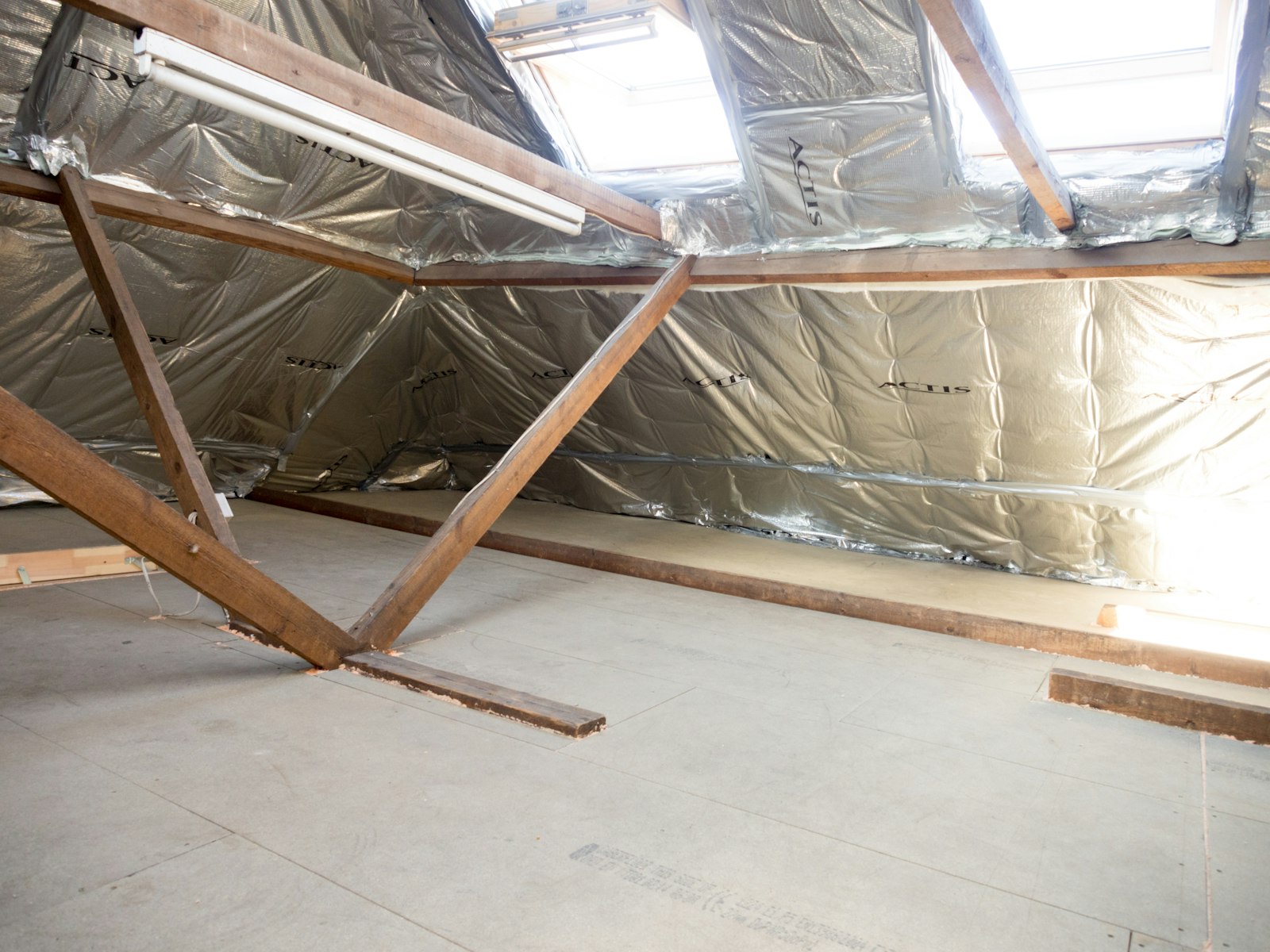
You can check your attic insulation in about 15 minutes with a flashlight and a ruler. This quick look tells you if heat is escaping through your ceiling in winter and sneaking in during summer. It is one of the easiest ways to find out if your home is wasting energy.
Quick answer: Shine a flashlight across the attic floor and measure the insulation depth with a ruler. If it sits at or below the tops of the floor joists, or is less than about 13 to 14 inches deep in a warm climate, you probably need more.
Why attic insulation matters
Heat moves from warm places to cold places. In winter, warm air from your rooms rises and escapes through a thin attic. In summer, a hot attic pushes heat down into your home and makes the air conditioner work harder. ENERGY STAR says a home with low insulation levels could easily have utility bills that are 10% higher than a home that is well sealed and insulated.
ENERGY STAR also gives simple depth targets. Common insulation like fiberglass, cellulose and mineral wool has an R-value (its power to block heat) of about 3 to 3.5 per inch. That means homes in the southern U.S., including most of California, should have a minimum of about R-38, or about 13 to 14 inches. Homes in the northern U.S. should have about R-49, or 16 to 18 inches.
What you need
- A bright flashlight or headlamp
- A ruler or tape measure
- A sturdy ladder to reach the attic hatch
- Long sleeves, gloves and a dust mask (fiberglass is itchy)
- A helper to hold the ladder and hand you tools
How to check your attic insulation
- Pick a cool time of day. Attics get very hot in the afternoon. Morning is safer and more comfortable.
- Open the hatch and look before you climb. Shine your light across the whole attic floor from the ladder. Often you can see enough without going all the way in.
- Step only on wooden joists or a walkway. The ceiling below is thin drywall. A foot on the insulation can go right through it.
- Find the joists. If you can easily see the tops of the wooden floor joists, the insulation is at or below joist level, and you probably need more.
- Measure the depth. Push your ruler gently down through the insulation until it touches the ceiling below. Check a few spots, since blown-in insulation can settle and shift.
- Look for gaps and bare spots. Check around recessed lights, pipes, wires, the chimney and the attic hatch itself. Dark or dirty patches on insulation often mean air is leaking through from below.
- Write down what you found. Note the depth, the type (fluffy batts or loose gray or white fill) and any gaps. This helps if you get quotes later.
Common mistakes to avoid
- Stepping between the joists. This is the most common way people damage ceilings. Use a board as a bridge if you need to move around.
- Squishing insulation. Compressed insulation blocks less heat. Don’t store boxes on top of it.
- Covering vents or light fixtures. Older recessed lights can get hot. Keep insulation clear of them unless they are rated for contact.
- Skipping air sealing. Gaps let warm air flow past the insulation. Seal leaks first, then add insulation.
Frequently asked questions
How many inches of attic insulation do I need?
ENERGY STAR suggests about 13 to 14 inches (R-38) for warmer, southern climates and about 16 to 18 inches (R-49) for colder, northern ones. Multiply the depth in inches by about 3 to estimate your R-value.
How do I know if my attic insulation is bad?
Warning signs include joists you can easily see, thin or flattened insulation, bare spots, dark dusty patches and rooms that feel too hot or too cold. High heating and cooling bills can also be a clue.
Can I add insulation on top of old insulation?
Often yes, as long as the old insulation is dry and not moldy. Loose-fill or unfaced batts can usually go on top. If you see wet spots, mold or signs of pests, have a professional look first.
Is it safe to go into the attic?
It can be, with care. Wear a mask and gloves, step only on joists, and avoid going up on hot afternoons. Never touch bare wires.
See your home energy impact
Want to know how much better insulation could matter for your home? Try our free Home Energy Simulator to see how heating, cooling and other energy uses add up, and which upgrades make the biggest difference.
Related guides
- How to Make a DIY Door Draft Snake in 10 Minutes
- How to Draft-Proof Your Mail Slot or Cat Door Yourself
- How to Reverse Your Ceiling Fan Direction for Winter Savings
Sources
- ENERGY STAR, How to Check Your Home’s Attic Insulation Level
- ENERGY STAR, Recommended Home Insulation R-Values
Written and reviewed by the Accessible Sustainability Alliance editorial team. Last updated October 5, 2026.