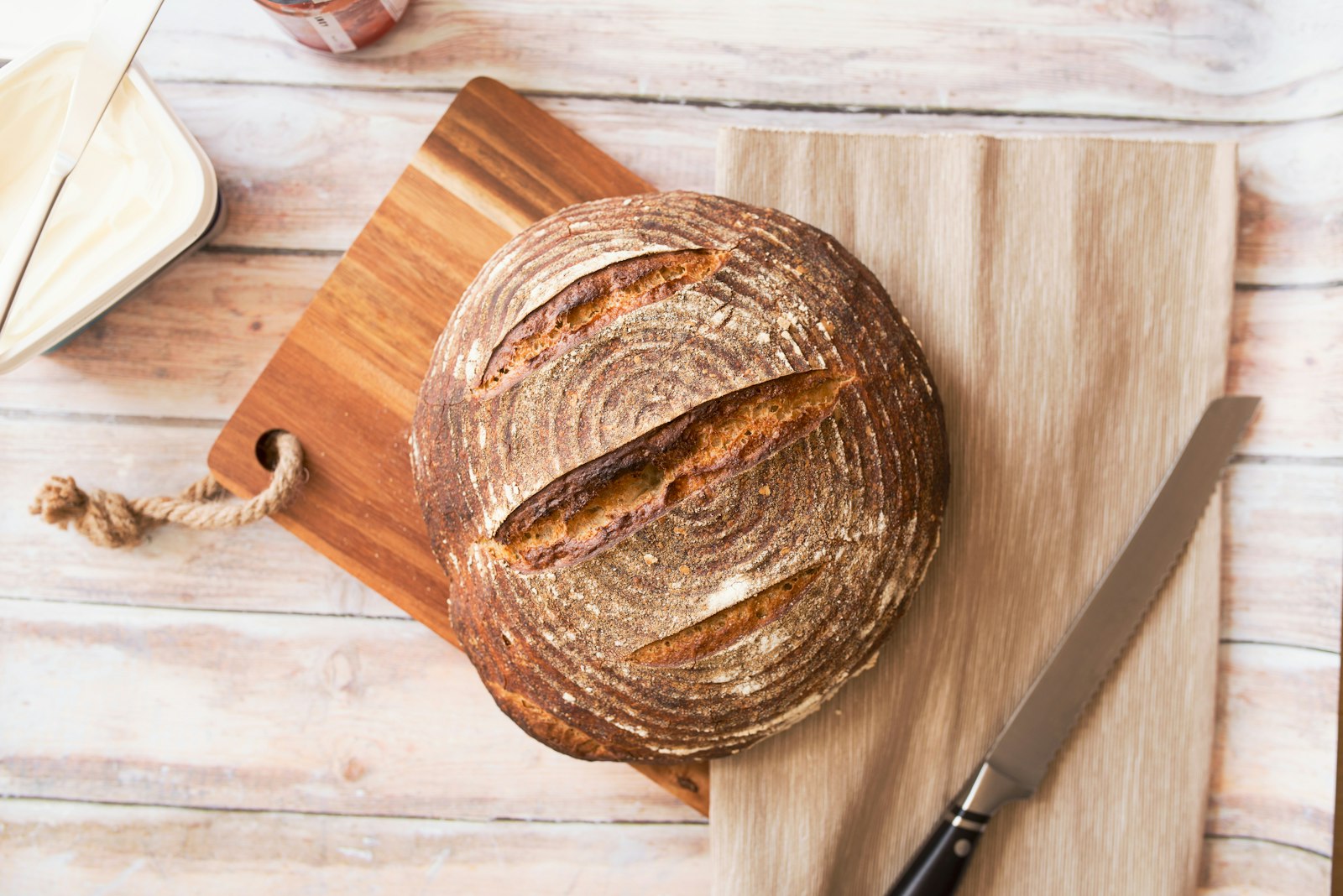
A bread box is a simple container that keeps bread at room temperature with just the right amount of air. It slows down staling without trapping so much moisture that mold grows fast. Used with your freezer, it can help your family finish every loaf instead of tossing the last few slices.
Quick answer: Store bread you will eat in the next few days in a bread box at room temperature, cut side down. Freeze anything you won’t finish in that time, and avoid the fridge, which makes bread go stale faster.
Why bread storage matters
Wasted bread adds up. The USDA Economic Research Service estimated that 31% of the food available at stores and in homes in the United States went uneaten in 2010, worth about $162 billion. For grain products like bread, most of that loss, about 61%, happened at the consumer level, meaning in homes.
Where you keep bread makes a big difference. North Dakota State University Extension explains that refrigerated bread becomes stale six times faster than bread kept at room temperature. The fridge does slow mold, but freezing is the better choice for longer storage. NDSU says frozen bread stays at high quality for about three months.
What you need
- A bread box with a lid that closes well but is not fully airtight. Wood, bamboo, metal and ceramic all work.
- A clean cloth bag or reusable bag for crusty loaves (optional)
- Freezer bags or containers for extra bread
- A bread knife
How to keep bread fresh with a bread box
- Pick a good spot. Place the bread box on the counter away from the stove, toaster, dishwasher and sunny windows. Heat and steam speed up mold.
- Let fresh bread cool first. If it is homemade or still warm from the bakery, let it cool completely. Warm bread creates moisture inside the box.
- Keep only a few days’ worth inside. A bread box works best for bread you will eat in about two to four days. Don’t overfill it, so air can move.
- Store crusty loaves cut side down. Set the cut end flat on a board or the box floor. This keeps the inside from drying out while the crust stays crisp.
- Keep soft bread in its bag inside the box. Sandwich bread can stay in its bag. The box adds a layer of protection from air and light.
- Freeze the extra right away. If you won’t finish a loaf soon, slice it and freeze it in a sealed bag. You can toast slices straight from the freezer.
- Clean the box often. Brush out crumbs every week and wipe it with a dry or barely damp cloth. Let it dry fully before adding bread.
Common mistakes to avoid
- Putting bread in the fridge. It may not mold as fast, but it goes stale much faster.
- Sealing crusty bread in plastic. Trapped moisture makes the crust soft and chewy.
- Ignoring mold. If you see mold on soft bread, throw that loaf out. Wipe the box and let it air out before using it again.
- Buying more than you can eat. Buy smaller loaves, or plan to freeze half when you get home.
Frequently asked questions
Do bread boxes really work?
Yes. A bread box holds in some moisture so bread doesn’t dry out, while letting enough air through to slow mold. It works best for bread you’ll eat within a few days.
Is it better to keep bread in the fridge or on the counter?
For bread you’ll eat soon, the counter or a bread box is better. NDSU Extension says refrigerated bread goes stale six times faster than bread at room temperature. For longer storage, use the freezer.
How long does bread last in a bread box?
Often about two to four days for bakery bread, and sometimes longer for packaged sandwich bread. It depends on the type of bread, your kitchen’s heat and humidity, and whether it has preservatives.
What can I do with stale bread?
Stale bread is great for croutons, bread crumbs, French toast, bread pudding and stuffing. You can also blitz it into crumbs and freeze them for later.
See your food impact
Bread is just one part of your family’s food waste. Try our free Food & Diet Simulator to see how much food your household wastes and which habits help most.
Related guides
- How to Label Your Fridge with FIFO Stickers to Cut Waste
- How to Vacuum Seal Bulk Food Without a Subscription
- How to Use a Free App to Turn Leftovers into Meal Plans
Sources
- USDA Economic Research Service, Food Loss: Questions About the Amount and Causes Still Remain
- North Dakota State University Extension, Prairie Fare: Save Some Bread With These Tips
Written and reviewed by the Accessible Sustainability Alliance editorial team. Last updated October 5, 2026.