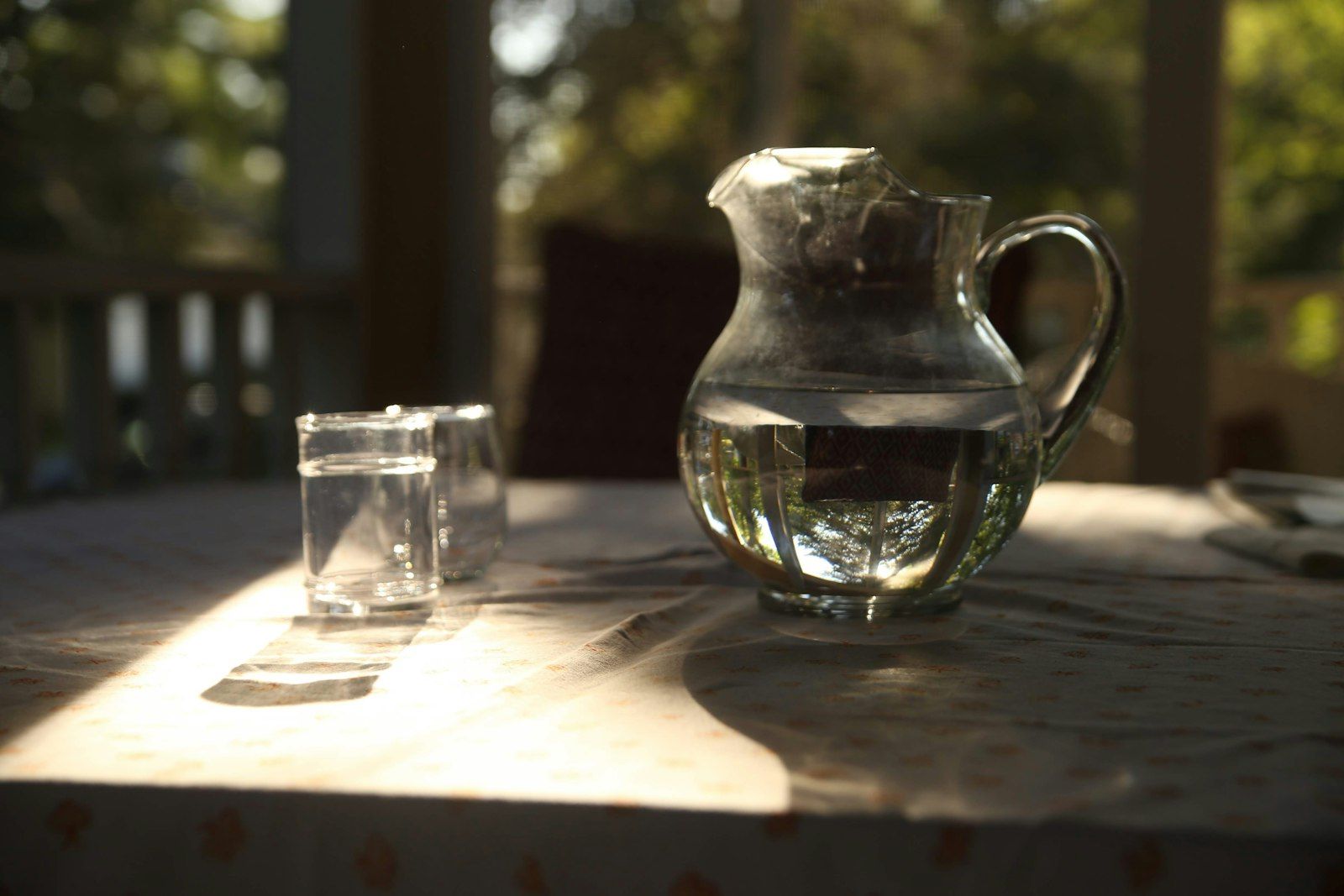
Hauling cases of bottled water home is heavy, pricey and leaves a pile of plastic in the recycling bin. A good filter pitcher on the counter or in the fridge gives your family cold, better-tasting tap water at a fraction of the cost. The key is choosing a certified filter and changing it on schedule.
Quick answer: To replace bottled water with a filter pitcher, pick a sturdy pitcher whose filter is certified to NSF/ANSI standards for the contaminants you care about, prep and install the filter, fill it with cold tap water, keep it in the fridge and replace the cartridge on the schedule the maker lists.
Why switching from bottled water matters
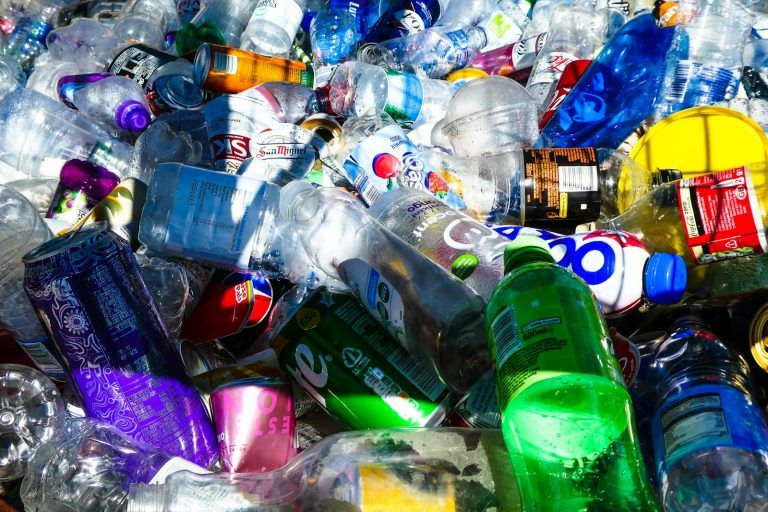
Most single-use water bottles are not recycled. The U.S. EPA reports that the recycling rate for PET bottles and jars was 29.1% in 2018, so most were not recycled (EPA). A reusable pitcher and glass or bottle you wash and refill skip that waste entirely.
Public tap water in the U.S. is regulated, and in most places it is safe to drink. A filter pitcher mainly improves taste and odor and can reduce certain contaminants, depending on how it is certified. The EPA recommends choosing pitcher filters that are tested and certified by an accredited third party. For lead, look for certification to NSF/ANSI Standard 53 with a lead reduction claim, and also NSF/ANSI Standard 42 for particulate reduction (EPA).
What you need
- A filter pitcher that holds about 8–10 cups or more, so you aren’t refilling it all day.
- A filter cartridge certified for what you want to reduce. Check the box or the certifier’s online directory.
- Space on a fridge shelf, or a shady spot on the counter.
- Reusable glasses or water bottles for each family member.
- Your local water quality report (Consumer Confidence Report), usually on your water utility’s website.
How to replace bottled water with a filter pitcher
- Check your tap water. Read your utility’s annual water quality report to see what is in your water. This tells you what a filter needs to handle.
- Choose a certified filter. Look for the certification mark and the standard numbers on the package, such as NSF/ANSI 42 for taste and odor or NSF/ANSI 53 for lead. Make sure the claim matches your concern.
- Wash the pitcher. Hand wash the pitcher, lid and reservoir with mild soap and rinse well before first use.
- Prep the filter. Follow the package directions. Many filters need a quick rinse or soak to remove loose carbon dust.
- Install and fill. Seat the filter firmly in the reservoir, then fill with cold tap water. Some makers suggest pouring out the first pitcher or two.
- Store it cold. Keep the pitcher in the fridge for cold water, and refill it whenever it gets low so you always have some ready.
- Track filter changes. Set a reminder or use the pitcher’s indicator. Replace the cartridge at the gallon or time limit printed on the package, or sooner if water flows slowly.
Tips for making the switch stick
- Keep refillable bottles by the door so everyone grabs one on the way to school or work.
- Use only cold water. Hot water can damage filters and can carry more lead from old pipes.
- Don’t stretch the filter. An old cartridge stops working as well and can trap buildup.
- Recycle used cartridges through a maker’s take-back program if one is offered, or check local rules.
Frequently asked questions
Is filtered tap water as safe as bottled water?
Public tap water in the U.S. must meet federal drinking water standards, and your utility’s yearly water quality report shows how your water measures up. A certified filter can improve taste and reduce specific contaminants listed on its package.
Do pitcher filters remove lead?
Only some do. The EPA advises looking for filters certified to NSF/ANSI Standard 53 with a lead reduction claim, ideally also certified to NSF/ANSI Standard 42 for particulate reduction.
How often should I change a pitcher filter?
Follow the gallon or month limit on the package. Change it sooner if water flow slows down or the taste comes back, and use the pitcher’s indicator if it has one.
Does a filter pitcher save money compared to bottled water?
For most families, yes. Tap water costs very little, and one filter can treat many gallons, while bottled water costs far more per gallon, especially in small single-serve bottles.
See your household’s water impact
Curious how your family’s water habits add up? Try our free Household Water Simulator to estimate your daily water use and see how small swaps can make a difference.
Related guides
- How to Install a Faucet Aerator to Cut Water Use
- How to Use a Shower Timer to Build a Shorter-Shower Habit
- How to Pack a Reusable Straw and Utensil Kit for Your Bag
Sources
- U.S. EPA, Containers and Packaging: Product-Specific Data
- U.S. EPA, Consumer Tool for Identifying Point-of-Use and Pitcher Filters Certified to Reduce Lead in Drinking Water
Written and reviewed by the Accessible Sustainability Alliance editorial team. Last updated October 5, 2026.