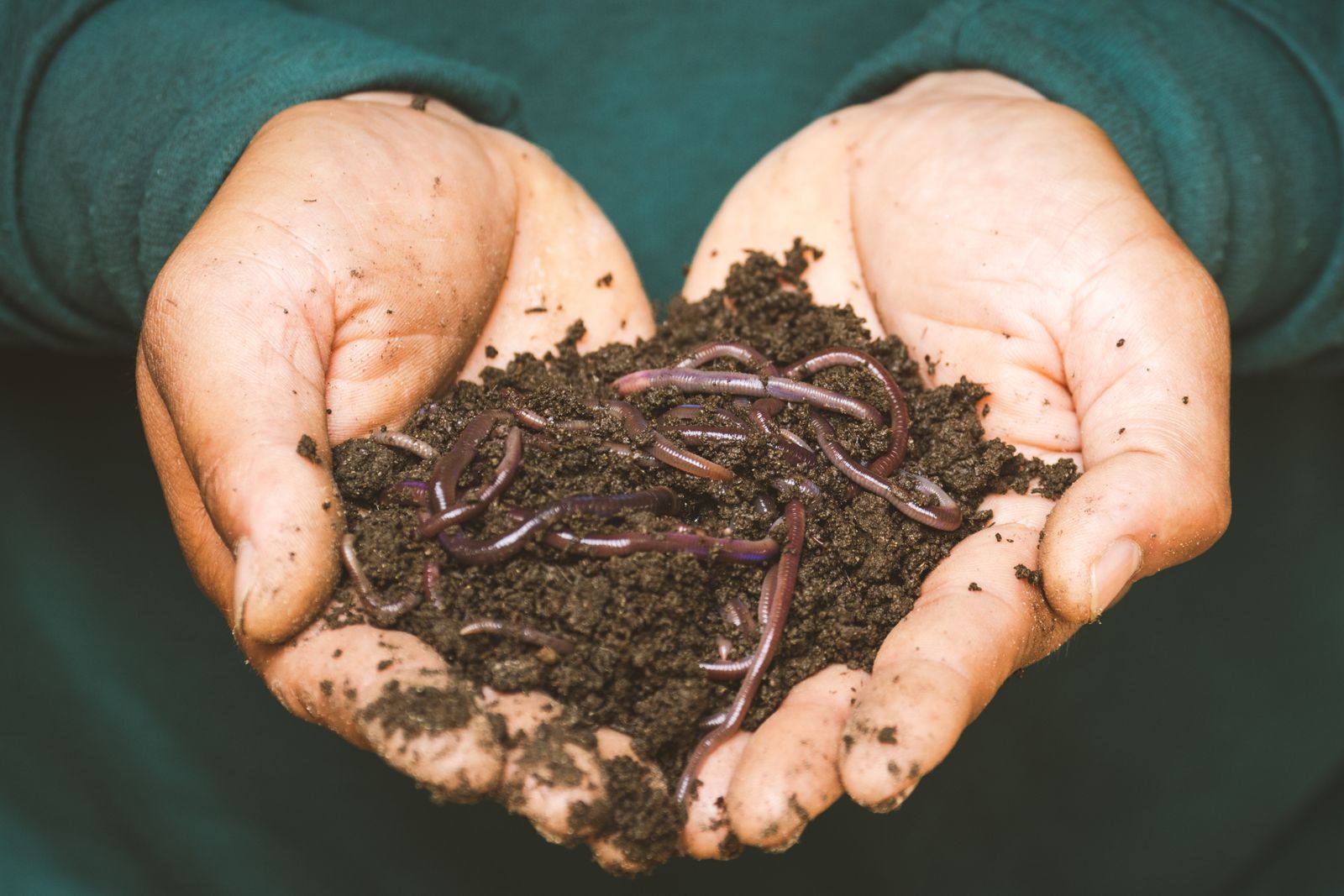
A worm bin lets you compost food scraps indoors, even in an apartment with no yard. Special composting worms eat your fruit and vegetable scraps and turn them into worm castings, a rich soil booster for houseplants and gardens. A small bin fits under a sink, in a closet or on a balcony.
Quick answer: Get a plastic tote, drill air holes, fill it halfway with damp shredded newspaper, add about a pound of red wiggler worms, and feed them small amounts of fruit and vegetable scraps. In three to six months you can harvest finished compost.
Why worm composting matters
Food scraps take up a lot of space in landfills. The U.S. EPA reports that food made up about 24% of the waste sent to landfills in 2018. In a landfill, food breaks down without air and releases methane, a powerful greenhouse gas. California’s SB 1383 law requires cities to collect organic waste, often through the green bin, so less of it ends up in landfills.
A worm bin keeps some of those scraps at home. The EPA’s composting at home guide says that of about 9,000 species of earthworms, only seven are suitable for worm composting. The most common is the red wiggler, which eats about 25% of its weight each day.
What you need
- A plastic storage tote with a lid. A 14-gallon bin is a good size for one to two pounds of worms.
- A drill with a small bit to make air holes
- Shredded newspaper or plain cardboard for bedding (no shiny magazine paper)
- A handful of garden soil
- About one pound of red wiggler worms (Eisenia fetida), from a worm supplier or garden store
- A spray bottle and a tray to set under the bin
How to start a worm bin
- Make air holes. Drill small holes in the lid and near the top of the sides. Add a few in the bottom so extra liquid can drain, and set the bin on a tray.
- Prepare the bedding. Soak shredded newspaper or cardboard in water, then wring it out until it feels like a damp sponge. Loosely fill the bin about half full.
- Add a little soil. Sprinkle in a handful of garden soil. It adds helpful microbes and grit that helps worms break down food.
- Add the worms. Gently place the worms on top and leave the lid off for a few minutes with a light on. They will burrow down into the bedding.
- Start feeding slowly. Wait a few days, then bury a small amount of chopped fruit and vegetable scraps under the bedding. Feed again when most of it is gone.
- Keep it damp and comfortable. The bedding should stay as moist as a wrung-out sponge. Keep the bin out of direct sun, ideally between about 59°F and 77°F.
- Harvest the castings. After three to six months, push the finished compost to one side and add fresh bedding and food to the other. Most worms will move over, and you can scoop out the castings.
Tips
- Good foods: fruit and vegetable scraps, coffee grounds, tea bags without staples, and crushed eggshells.
- Foods to skip: meat, fish, dairy, bones, oils and grease. Alabama Extension also advises against onions, garlic and citrus.
- Chop scraps small. Smaller pieces break down faster.
- Smell is a clue. A healthy bin smells like soil. A sour smell usually means too much food or too much water. Feed less and add dry bedding.
Frequently asked questions
Can I use worms from my yard?
No. Common garden earthworms and nightcrawlers live deep in the soil and don’t do well in a bin. Use red wigglers, which live near the surface and eat decaying material.
Do worm bins smell?
A well-kept worm bin shouldn’t smell bad. Odors usually come from overfeeding, meat or dairy, or bedding that is too wet. Bury food under the bedding and add dry shredded paper if things get soggy.
How much food can worms eat?
The EPA says red wigglers eat about a quarter of their body weight each day. Alabama Extension says a bin with two pounds of worms can handle about half a pound to one pound of scraps a day once it is established.
What do I do with worm castings?
Mix them into potting soil, sprinkle them around houseplants, or add them to garden beds. A little goes a long way.
See your food impact
Composting is one way to shrink your family’s food waste. Try our free Food & Diet Simulator to see how much food your household wastes and how habits like composting can help.
Related guides
- How to Set Up a Countertop Compost Bin in a Small Apartment
- How to Find a Community Compost Drop-Off Near You
- How to Make Zero-Waste Vegetable Broth from Scraps
Sources
- U.S. EPA, Composting At Home
- U.S. EPA, National Overview: Facts and Figures on Materials, Wastes and Recycling
- Alabama Cooperative Extension System, Vermicomposting: Worms at Work
- CalRecycle, California’s Organic Waste Reduction: SB 1383 Short-Lived Climate Pollutant Reduction Strategy
Written and reviewed by the Accessible Sustainability Alliance editorial team. Last updated October 5, 2026.