
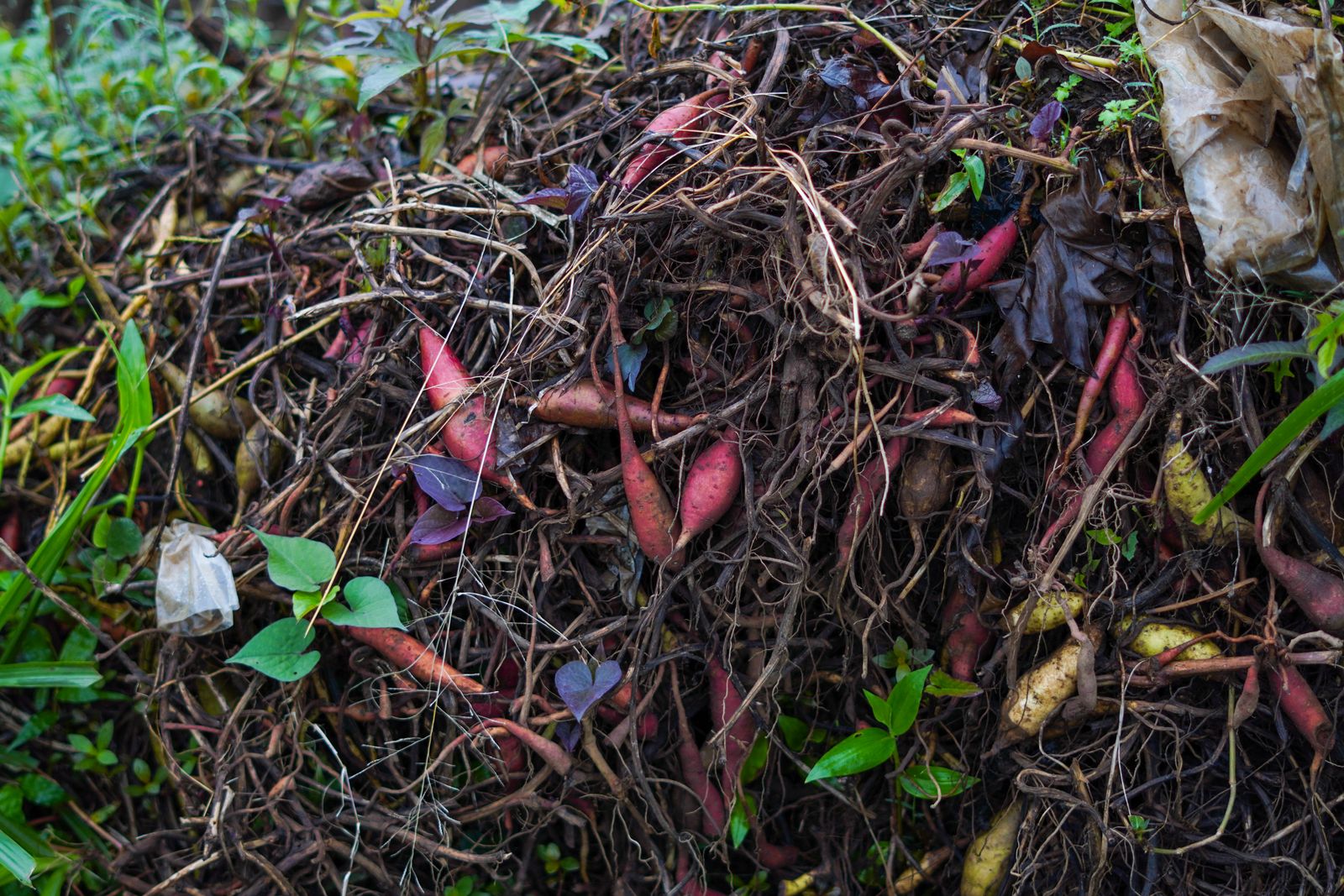
If you don’t have room for a compost pile, a community compost drop-off lets your food scraps become soil instead of landfill trash. Many cities, farmers markets and community gardens collect scraps for free. This guide shows how to find one and what to bring.
Quick answer: Start with your city or county’s waste or sanitation website, then check local farmers markets and community gardens. Collect fruit and vegetable scraps, coffee grounds and similar items in a lidded pail, and confirm what each site accepts before you go. In California, your green organics bin may also take food scraps.
Why composting food scraps matters
Food is one of the biggest things we throw away. The U.S. EPA reports that food waste makes up about 24 percent of the municipal solid waste sent to landfills, and that an estimated 58 percent of the methane released from those landfills comes from food waste (EPA). Methane is a powerful greenhouse gas.
Composting turns those scraps into a soil builder instead. California’s organic waste law, SB 1383, requires every city and county to provide organic waste collection and sets a goal of 75% less organic waste sent to landfills (CalRecycle). Drop-off sites are a great option for apartments or homes without a green bin, or for anyone who wants to support local gardens.
What you need
- A countertop pail with a tight lid (a charcoal filter helps with odors)
- A bag or bin for carrying scraps to the drop-off
- Optional: a container in the freezer to store scraps between trips
How to find a community compost drop-off
- Check your green bin first. In much of California, food scraps can go in the green organics bin under SB 1383. Look up your city’s rules.
- Search your city or county website. Look under public works, sanitation or recycling for “food scrap drop-off” or “community composting.”
- Visit farmers markets. Many markets host compost booths. In Los Angeles, for example, LA Sanitation partners with LA Compost to collect food scraps at several farmers markets.
- Ask community gardens and schools. Many gardens accept clean scraps for their own piles. Call ahead.
- Try local groups and apps. Neighborhood groups and community composting nonprofits often list drop-off spots and hours.
- Confirm the rules. Each site has its own list of accepted items, hours and any sign-up steps.
- Make it a routine. Pair drop-offs with an errand you already do, like your weekly market trip.
Common mistakes to avoid
- Bringing meat, dairy or bones to sites that don’t take them. EPA notes these attract pests in small piles. Many community sites only take fruit and vegetable scraps, coffee grounds and similar items.
- Using plastic bags. Most sites don’t want plastic, even if it says “biodegradable.” Bring scraps loose or in an approved bag.
- Letting scraps get smelly. Empty your pail often, or keep scraps in the freezer until drop-off day.
- Including stickers and ties. Remove produce stickers, rubber bands and twist ties first.
Frequently asked questions
What food scraps can I bring to a compost drop-off?
Most sites accept fruit and vegetable scraps, coffee grounds, tea leaves and eggshells. Many do not accept meat, fish, dairy, oils or pet waste. Always check the list for your specific site.
Can I put food scraps in my green bin in California?
In many California cities, yes. SB 1383 requires cities and counties to offer organic waste collection, and many now accept food scraps in the green bin. Check your local hauler’s guide.
How do I keep my compost pail from smelling?
Use a pail with a tight lid and a charcoal filter, empty it every few days, and line the bottom with a sheet of newspaper. Storing scraps in the freezer also stops odors.
Is community composting free?
Many drop-off sites are free, especially those run by cities. Some nonprofit programs ask for a small donation or membership fee.
See your food impact
Want to see how food waste and diet choices add up for your household? Try our free Food & Diet Simulator to explore your footprint and find easy ways to waste less.
Related guides
- How to Set Up a Countertop Compost Bin in a Small Apartment
- How to Start a Worm Bin for Composting in Small Spaces
- How to Make Zero-Waste Vegetable Broth from Scraps
Sources
- U.S. EPA, Quantifying Methane Emissions from Landfilled Food Waste
- CalRecycle, SB 1383 Short-Lived Climate Pollutants
- LA Sanitation, Farmers Market Drop Off
- U.S. EPA, Composting at Home
Written and reviewed by the Accessible Sustainability Alliance editorial team. Last updated October 5, 2026.