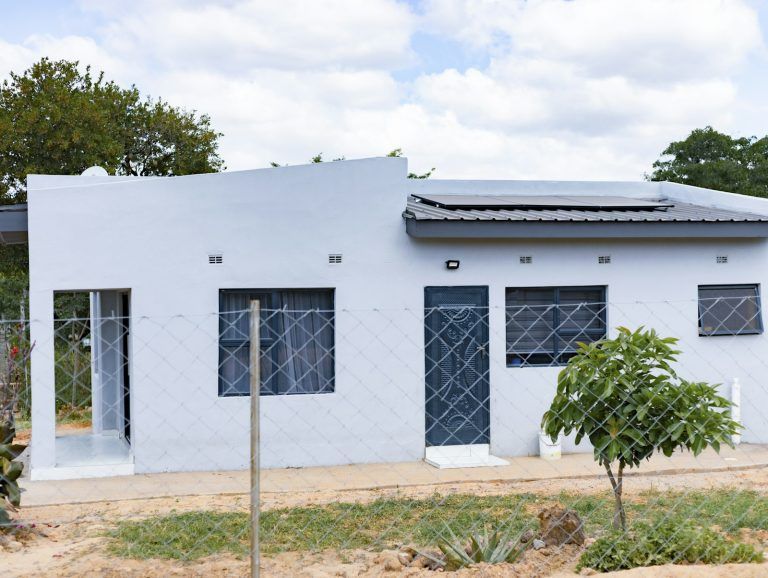
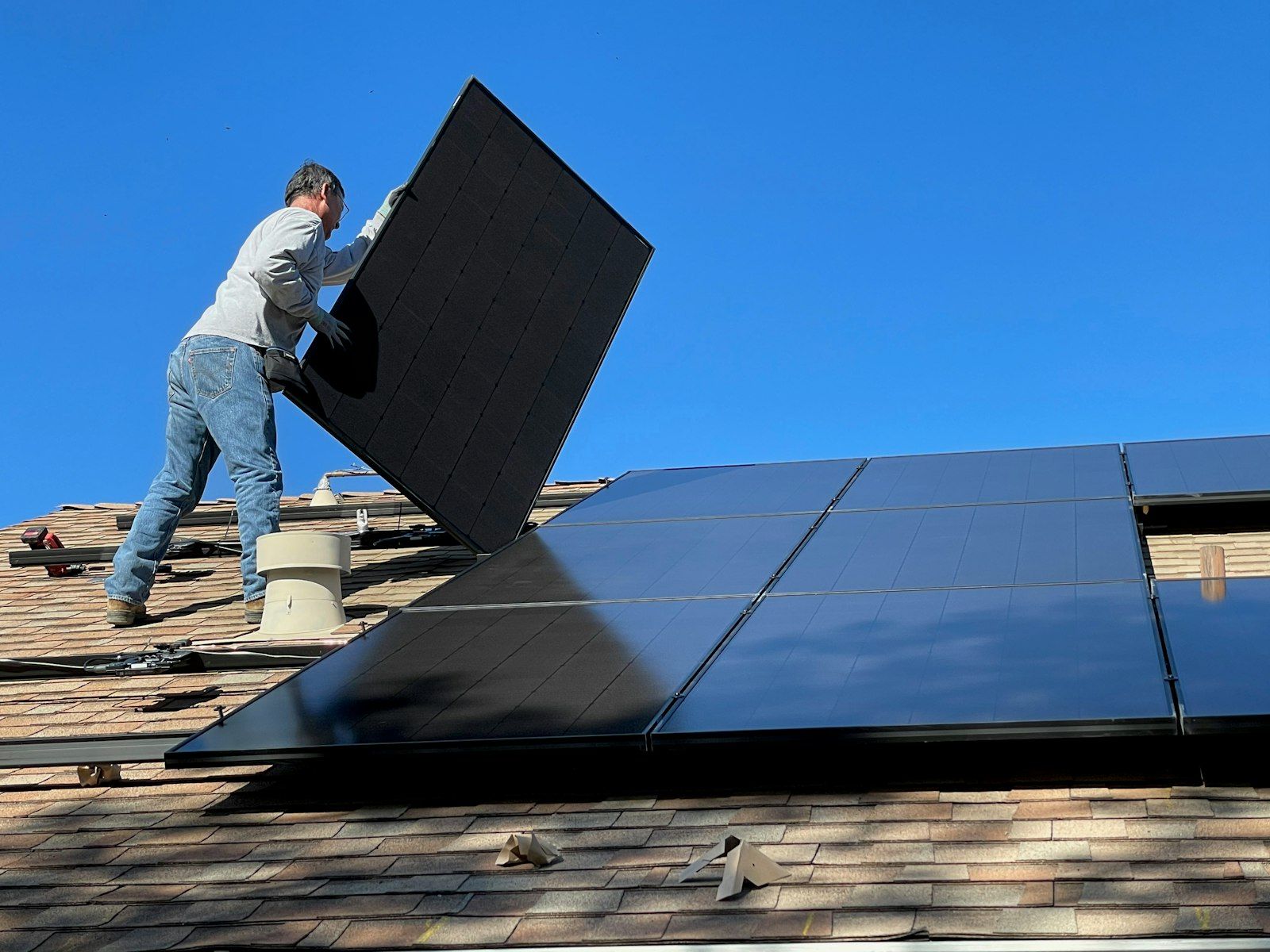
A home battery stores extra solar power from the middle of the day so your household can use it in the evening, when grid power often costs the most. In California, this matters more than ever because new solar customers get less credit for power they send to the grid. This guide explains how to size a battery, which type works with your panels and what rebates are left.
Quick answer: To pair a battery with solar, size it to cover your evening electricity use, choose an AC-coupled battery for existing panels or a DC-coupled hybrid system for new ones, and set it to power your home during the 4–9 p.m. peak; the CPUC says customers on California’s net billing tariff can maximize bill savings by adding battery storage.
Why it matters
Since April 15, 2023, customers applying to connect new solar with California’s large investor-owned utilities have taken service on the Net Billing Tariff, often called NEM 3.0. According to the California Public Utilities Commission (CPUC), credits for power you export are based on avoided cost values that are usually lower than the price you pay to import power. The CPUC also says customers can maximize bill savings under the tariff by installing battery storage along with their solar.
Timing matters too. Southern California Edison’s TOU-D-4-9PM plan and PG&E’s E-TOU-C plan both charge the highest prices from 4 to 9 p.m., right after solar output fades. A battery lets you use your own stored solar power in those hours. Estimate your household’s evening use with the Home Energy Simulator.
Key terms
- kW (kilowatt) is power at one moment, like how fast water flows.
- kWh (kilowatt-hour) is energy over time, like how much water is in the tank. Battery size is listed in kWh.
- An inverter changes the DC power from panels and batteries into the AC power your home uses.
- AC-coupled means the battery has its own inverter and connects on the AC side of your home’s wiring.
- DC-coupled means the panels and battery share one hybrid inverter.
How to pair a home battery with your solar panels
- Read your bill. Look at your daily kWh use and, if your utility shows it, how much you use after 4 p.m. That evening number is the starting point for battery size.
- Size the battery to your evening use. As one example, Tesla lists the Powerwall 3 at 13.5 kWh of nominal energy. If you want backup power during outages, list the must-run items, such as the refrigerator, lights and internet, and add that need.
- Choose AC or DC coupling. If you already have solar, an AC-coupled battery is usually the simpler add-on because it works next to your current inverter. If you are installing new solar, a hybrid inverter with a DC-coupled battery is another option.
- Check that your panels can refill the battery. On a sunny day, your system should make enough extra power to charge the battery and still run your home.
- Get two or three quotes from licensed installers. They handle the electrical work, permits and utility interconnection paperwork.
- Pick an operating mode. Common modes are self-consumption, which uses solar first; time-of-use, which saves stored power for peak hours; and backup, which keeps a reserve for outages.
Are there still tax credits or rebates for home batteries?
The federal Residential Clean Energy Credit (Section 25D) is gone for new projects. The IRS says the credit will not be allowed for any expenditures made after December 31, 2025, and an expenditure is treated as made when the original installation is completed.
California’s Self-Generation Incentive Program (SGIP) has also narrowed. A December 2025 CPUC decision set December 30, 2025 as the deadline for new applications for ratepayer-funded SGIP projects. The remaining state-funded SGIP incentives are only for eligible low-income residential customers and close to new applications on June 30, 2028. Check the SGIP website for which budgets are open in your utility area.
Safety
Batteries and inverters carry high voltage. Wiring, permits and connection to the grid should be done by a licensed electrician or solar installer, not as a do-it-yourself project.
Tips
- Check your battery app after a few weeks to see if it covers most of the 4–9 p.m. window.
- Ask installers how the system will be set up for your rate plan’s peak hours.
- Keep a backup reserve if your area has power shutoffs.
- Compare warranties, including how many years and how much capacity is guaranteed.
Frequently asked questions
Can I add a battery to my existing solar panels?
Usually, yes. An AC-coupled battery has its own inverter, so it can be added to most grid-tied systems without replacing your solar inverter. A DC-coupled battery usually means swapping in a hybrid inverter.
What size battery do I need for my house?
Start with how many kWh your home uses after 4 p.m. on a typical day. Many homes size one battery to cover that evening use; for reference, Tesla’s Powerwall 3 holds 13.5 kWh. Add more capacity if you want backup power for longer outages.
Is a battery worth it with NEM 3.0?
Under California’s net billing tariff, exported power usually earns less than the price you pay for grid power, so storing solar for your own evening use is often worth more than exporting it. The CPUC says batteries help customers maximize bill savings under this tariff.
Is there still a tax credit for solar batteries in 2026?
Not under Section 25D. The IRS says the residential clean energy credit is not allowed for expenditures made after December 31, 2025. California’s SGIP rebates are now limited mainly to eligible low-income households.
What is the difference between AC-coupled and DC-coupled batteries?
An AC-coupled battery stores power as AC and has its own inverter, which makes it easier to add to existing solar. A DC-coupled battery stores DC power from the panels through a shared hybrid inverter, which often fits new installs.
See your impact
Shifting solar power into the evening changes how much you buy from the grid at peak prices. Use the Home Energy Simulator to model your household’s energy use and see where a battery fits.
Related guides
- Is Solar and a Battery Worth It in 2026 Without the Tax Credit?
- Elejoy V2H Review (2026): We Ran Our Whole House Off a Tesla P85D
- How to Use a Free Weather App to Time Your Energy Use
Sources
- California Public Utilities Commission, Net Energy Metering and Net Billing
- California Public Utilities Commission, Decision 25-12-003 on the Self-Generation Incentive Program
- Internal Revenue Service, FAQs for modification of sections 25C, 25D, 25E, 30C, 30D, 45L, 45W and 179D
- Southern California Edison, Time-of-Use Residential Rate Plans
- PG&E, Time-of-Use Rate Plans
- Self-Generation Incentive Program, Statewide Announcements
- Enphase, AC-Coupled vs. DC-Coupled Batteries: Which Is Better?
- Tesla, Powerwall 3 Specifications
Written and reviewed by the Accessible Sustainability Alliance editorial team. Last updated November 2, 2026.